LNG Tonnage Discipline Persists Despite Post-Posidonia Enquiry Drought
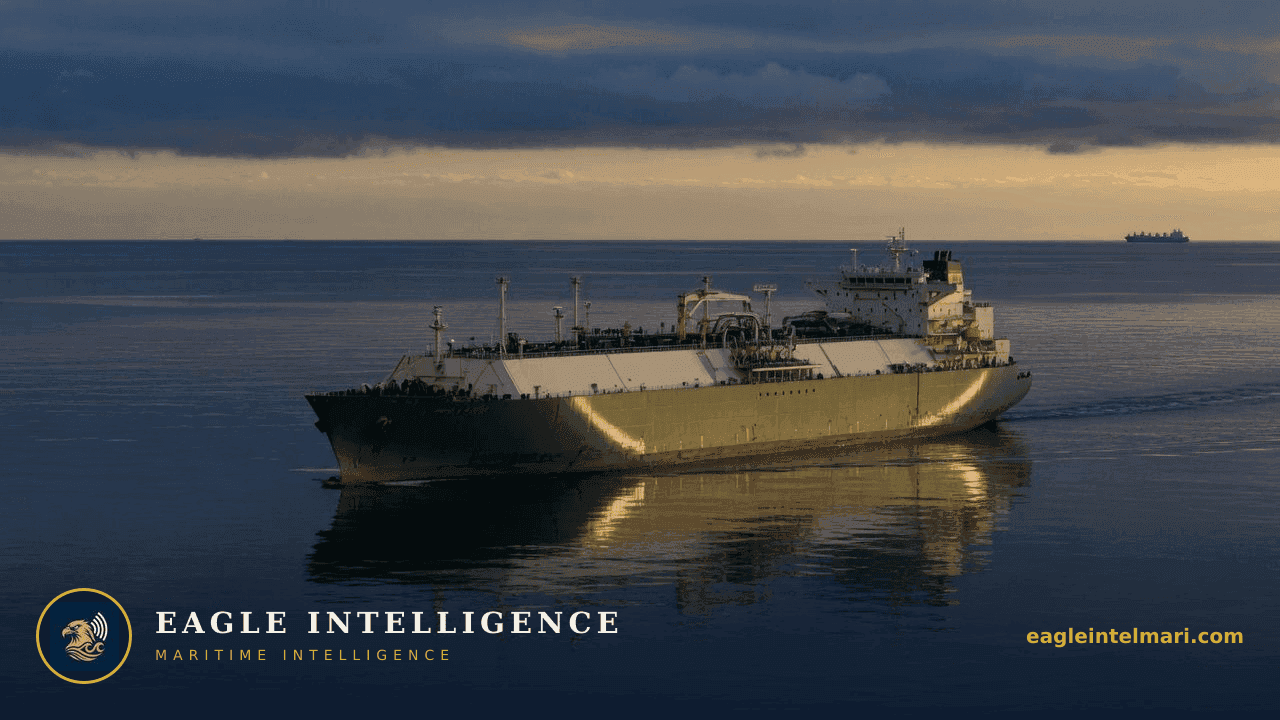
LNG spot rates stayed largely flat last week after Posidonia, with thin cargo enquiry offset by a persistently tight tonnage list that lifted Australia-Japan by a modest margin.
Live war-risk alerts, Hormuz status, regulatory changes, port disruptions and shipping-market intelligence — updated around the clock.

Seven sanctioned Russian tankers have been spoofing AIS signals for 90 days to mask voyages from Novorossiysk while US-sanctioned LPG carriers were removed from Iran’s PGSA non-compliance list; the pattern shows enforcement announcements outpacing actual detentions and leaves charterers, agents and crews exposed to unpaid claims and port refusals.
Eagle Intelligence · Read full article →

LNG spot rates stayed largely flat last week after Posidonia, with thin cargo enquiry offset by a persistently tight tonnage list that lifted Australia-Japan by a modest margin.

Container rates from Asia to the US West Coast have climbed to their highest levels since July 2025 amid persistent Middle East transit threats, while liquid chemical tanker rates out of the US Gulf continue to ease under separate supply dynamics.

The U.S.-Iran framework agreement announced today ends the immediate blockade and tanker attacks but defers the nuclear issue, triggering an initial drop in oil prices while exposing shipowners, insurers and traders to prolonged uncertainty over implementation.

Owners are flooding yards with VLCC and Suezmax contracts even as the Strait of Hormuz remains closed since February, betting that the energy crisis will keep earnings elevated long enough to justify fresh tonnage.

The 32 signatories handling 14% of global wet and dry bulk trades posted modest 2025 decarbonisation gains through wider biofuel blends and energy-saving devices, yet still fell short of aligned targets amid regulatory uncertainty.

A disabled merchant vessel abandoned off Oman triggered a coordinated merchant and U.S. Navy rescue of 14 Indian crew, underscoring crew exposure and operational fragility on one of the world's busiest chokepoints.

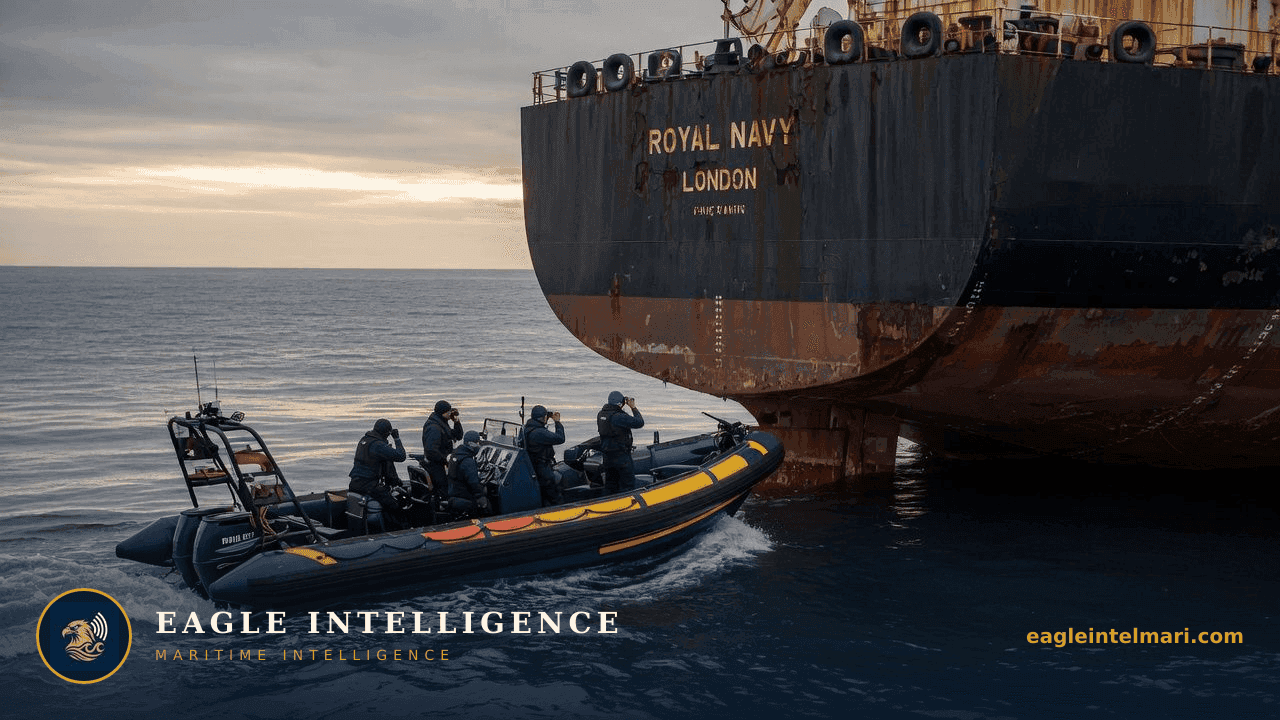
Britain has conducted its inaugural direct boarding of a sanctioned Russian shadow-fleet tanker, signalling a sharper Western enforcement posture that will ripple through operators, insurers and crude-trade logistics.

The dominant development is the firm timeline for an interim US-Iran memorandum that would reopen the Strait of Hormuz immediately upon signature, lift the naval blockade within 30 days, waive oil sanctions and release frozen assets while deferring core nuclear issues. Parallel enforcement actions against shadow-fleet tonnage and a fresh round of containership orders illustrate how operators are already adjusting to potential supply-chain shifts. Secondary stories on autonomous freight corridors and cyber threats remain distinct but gain relevance against the Hormuz backdrop.

Washington’s aggressive blockade tactics in the Strait of Hormuz have now claimed Indian lives, forcing Rubio to defend operations that risk fracturing crew supply lines and widening war-risk premiums across the Gulf trade.

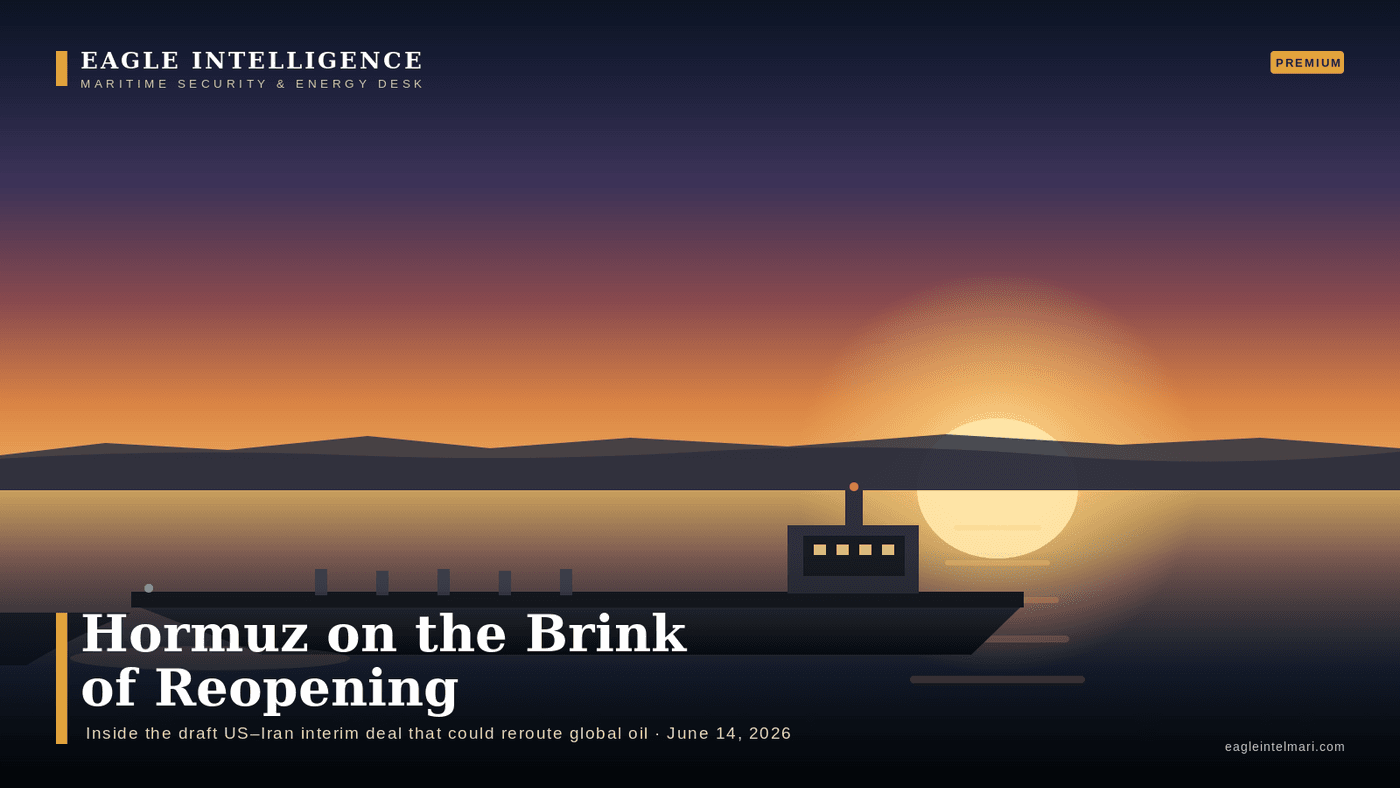
A draft US–Iran memorandum would reopen the Strait of Hormuz on signing, lift the US naval blockade within 30 days, waive oil sanctions and free billions in frozen assets — while deferring the hardest nuclear questions to a 60-day window. Here is what is in the text, what is verified, and what still hangs on a signature.
Showing 421–430 of 921 articles