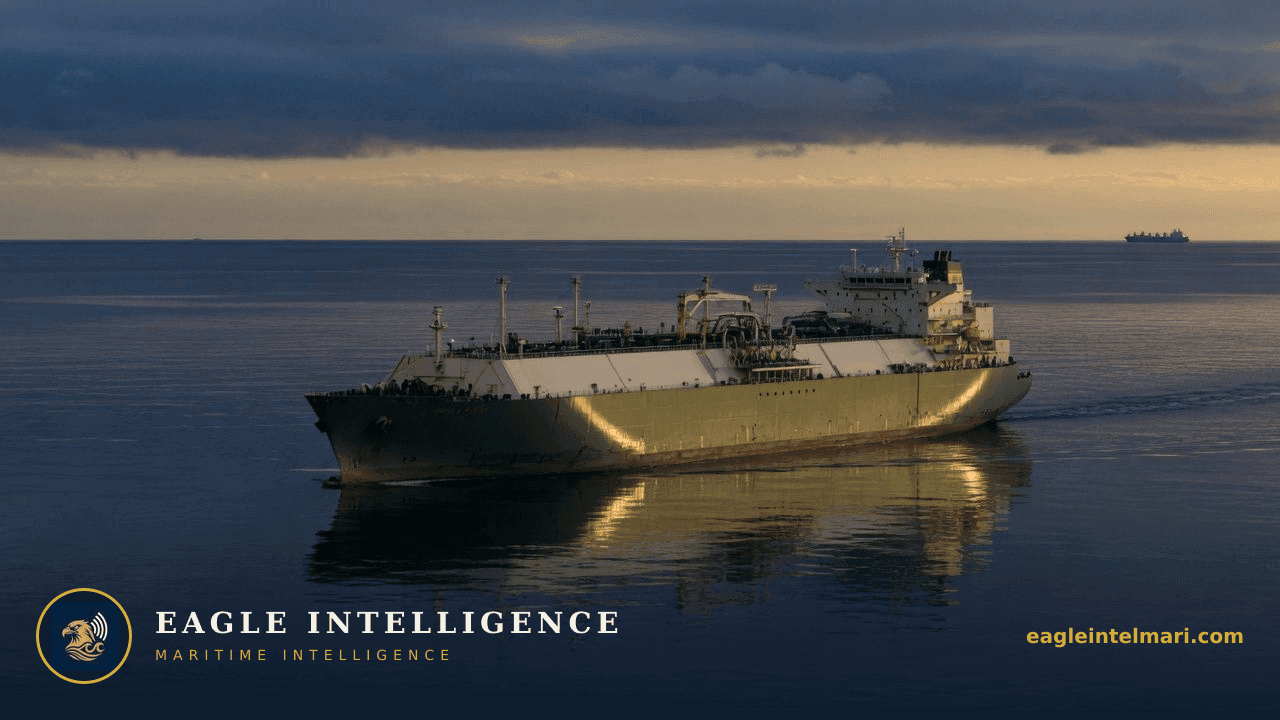
LNG spot rates stayed largely flat last week after Posidonia, with thin cargo enquiry offset by a persistently tight tonnage list that lifted Australia-Japan by a modest margin.
Advertisement
Advertisement
LNG freight markets absorbed the usual post-Posidonia lull last week with rates mostly marking time, as owners refused to concede ground on a still-constricted tonnage list.
Owners of modern DFDE and X-DF tonnage have kept vessels off the open market or held them at elevated ideas, preventing the usual summer softening. This discipline has created a narrow buffer against further downside even while fresh cargoes remain scarce. The result is a market that feels firmer than actual fixture flow would suggest.
With limited visibility on June and July stems, charterers appear content to cover only immediate requirements rather than build forward cover. The absence of aggressive bidding has left brokers reporting little more than a handful of indications per day on most routes. Several players are reportedly waiting for clearer signals on Atlantic and Pacific export loadings before committing to longer periods.
BLNG1 Australia-Japan edged higher through the week, the only route to register meaningful movement. The gain reflects a combination of tight positioning for modern tonnage and a small cluster of end-month requirements that could not be deferred. While the absolute increase remains modest, it demonstrates that any uptick in enquiry can translate quickly into rate recovery when supply is already constrained.
For owners, the tight list supports utilisation assumptions through the third quarter, reducing pressure on hull and machinery claims that typically rise when vessels are forced into lay-up or slow-steaming. P&I clubs have noted no immediate change in laid-up tonnage declarations, but underwriters are watching closely for any sudden release of vessels that could coincide with monsoon-related delays in the Indian Ocean.
Three plausible paths emerge. A modest rebound in enquiry from Qatar or US Gulf loadings would likely push most Pacific and Atlantic spot rates up 5-8 percent within two weeks. Continued thin visibility could see rates drift sideways or slip fractionally on older steam tonnage. The least likely but highest-impact outcome is a sudden surge in prompt cargoes that clears the list entirely, reopening the door to period fixtures at levels last seen before Posidonia.
Advertisement
Advertisement
⚠️ Intelligence Disclaimer: This analysis is produced by Eagle Intelligence's AI-assisted automated analysis system and is provided for informational purposes only. See our editorial standards. It is not a substitute for official maritime safety advisories from UKMTO, MSCHOA, IMO, or flag state authorities. Operational decisions should always be based on official guidance and professional judgment. Eagle Intelligence accepts no liability for any loss arising from reliance on this content.
Live chokepoint status, war-risk shifts, and the daily maritime wire, straight to your inbox. Free.
Leave a comment
All comments moderated for quality
