
Continuous Oil Monitoring Turns Sensor Flood into Fewer Breakdowns
Real-time oil-condition sensors are moving from pilot projects to operational necessity as tighter margins and complex engines leave little room for unplanned downtime.
Live war-risk alerts, Hormuz status, regulatory changes, port disruptions and shipping-market intelligence — updated around the clock.

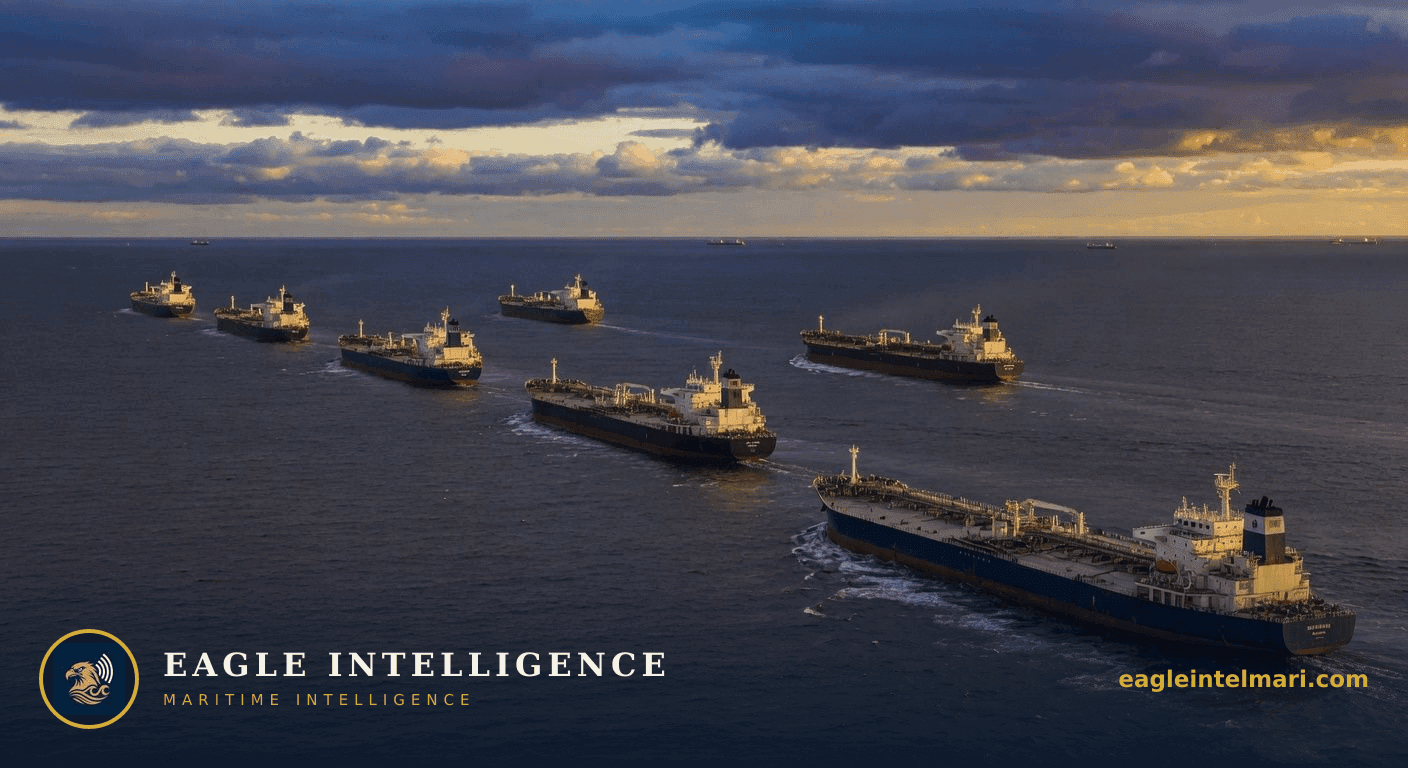
Seven sanctioned Russian tankers have been spoofing AIS signals for 90 days to mask voyages from Novorossiysk while US-sanctioned LPG carriers were removed from Iran’s PGSA non-compliance list; the pattern shows enforcement announcements outpacing actual detentions and leaves charterers, agents and crews exposed to unpaid claims and port refusals.
Eagle Intelligence · Read full article →

Real-time oil-condition sensors are moving from pilot projects to operational necessity as tighter margins and complex engines leave little room for unplanned downtime.

Washington has decoupled any sanctions relief from Iranian promises to keep the Strait of Hormuz open, anchoring future access instead to verifiable nuclear dismantlement.

Kyiv's intensified drone campaign against Russian refineries is pushing record volumes of crude onto the water, reshaping tanker deployment patterns and testing the limits of sanctions enforcement at sea.

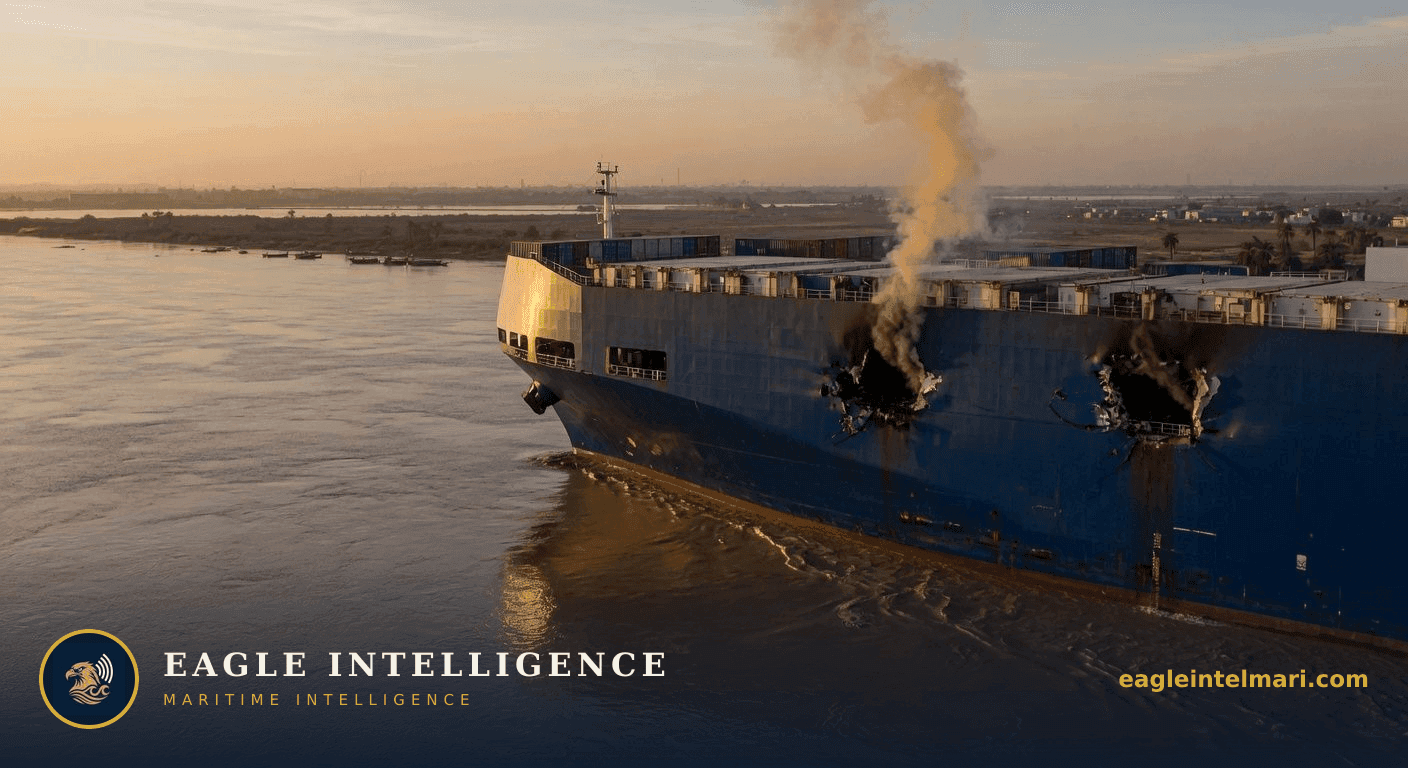
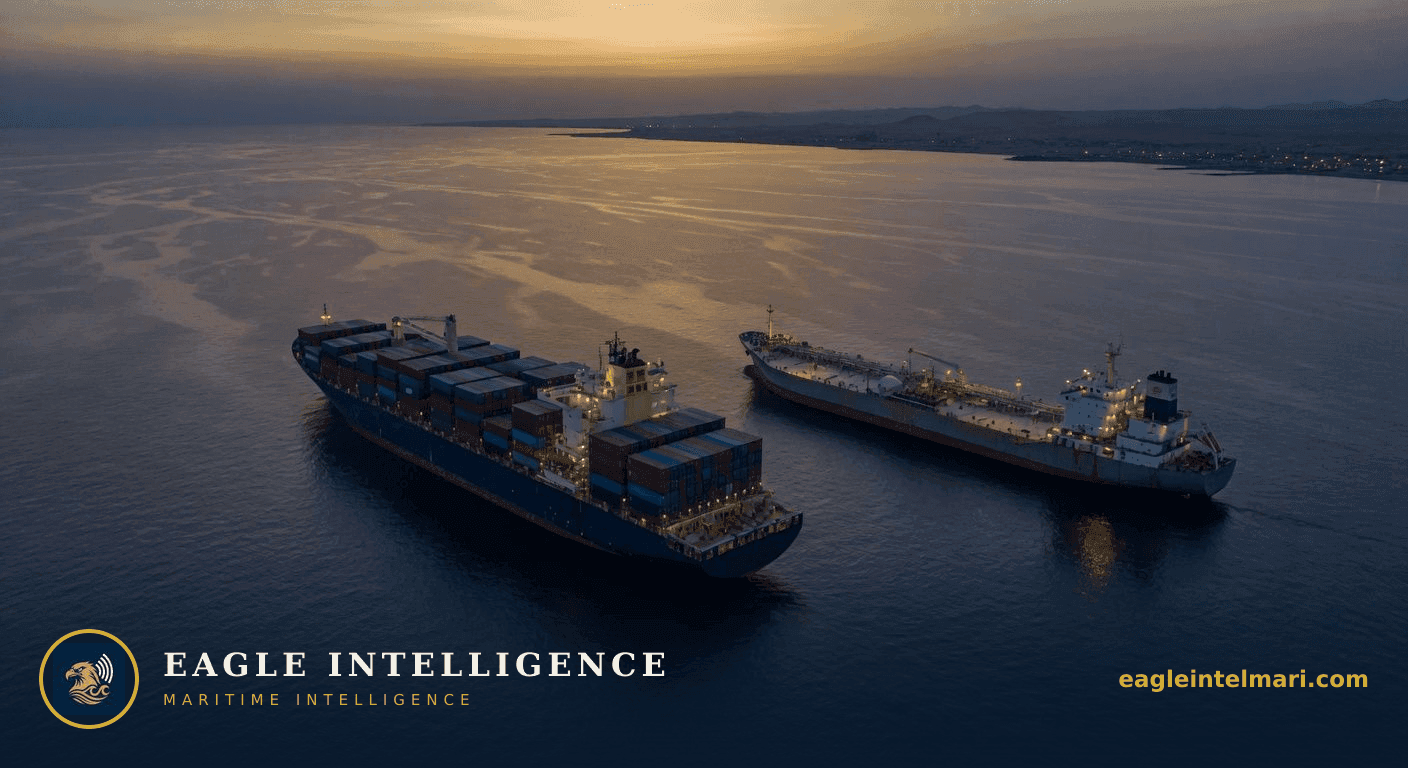
A confirmed double strike on MSC’s containership as it left Iraq’s only deep-water port has reopened war-risk calculations for the northern Gulf and exposed how quickly a single incident can ripple through hull, cargo and crew cover.

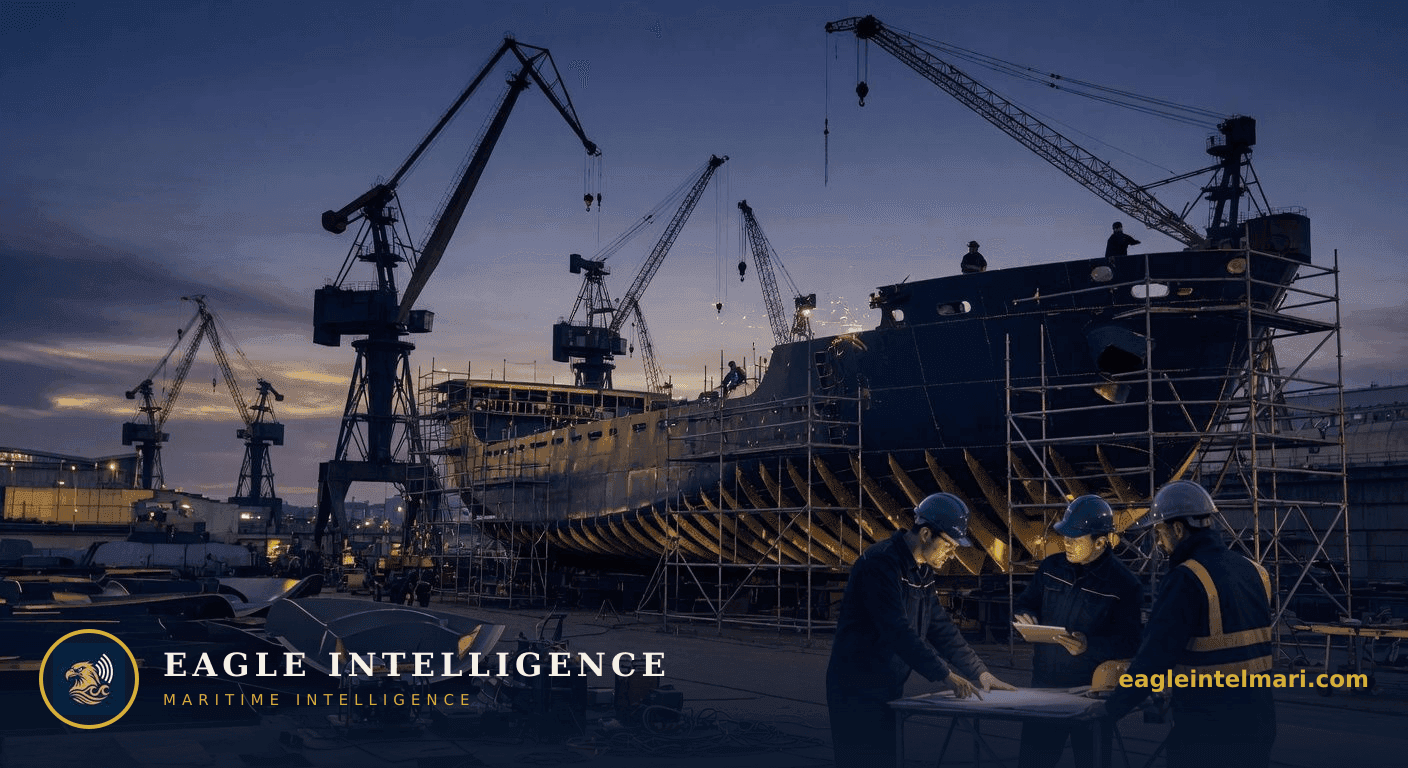
Lloyd’s Register introduces a Newbuild Advisory Service and updated construction guide to help owners manage fuel choices, delivery schedules and technical requirements amid shifting orderbooks.

Middle East truce negotiations are widening the gap between Asia-US container markets, which keep climbing on persistent congestion, and liquid chemical tanker rates out of the US Gulf that are already shedding war-risk premiums.

LNG spot rates hold firm overall as limited prompt tonnage in the East lifts the BLNG1 Australia-Japan assessment by $6,400 week-on-week, while LPG earnings appear to have reached a cyclical ceiling.

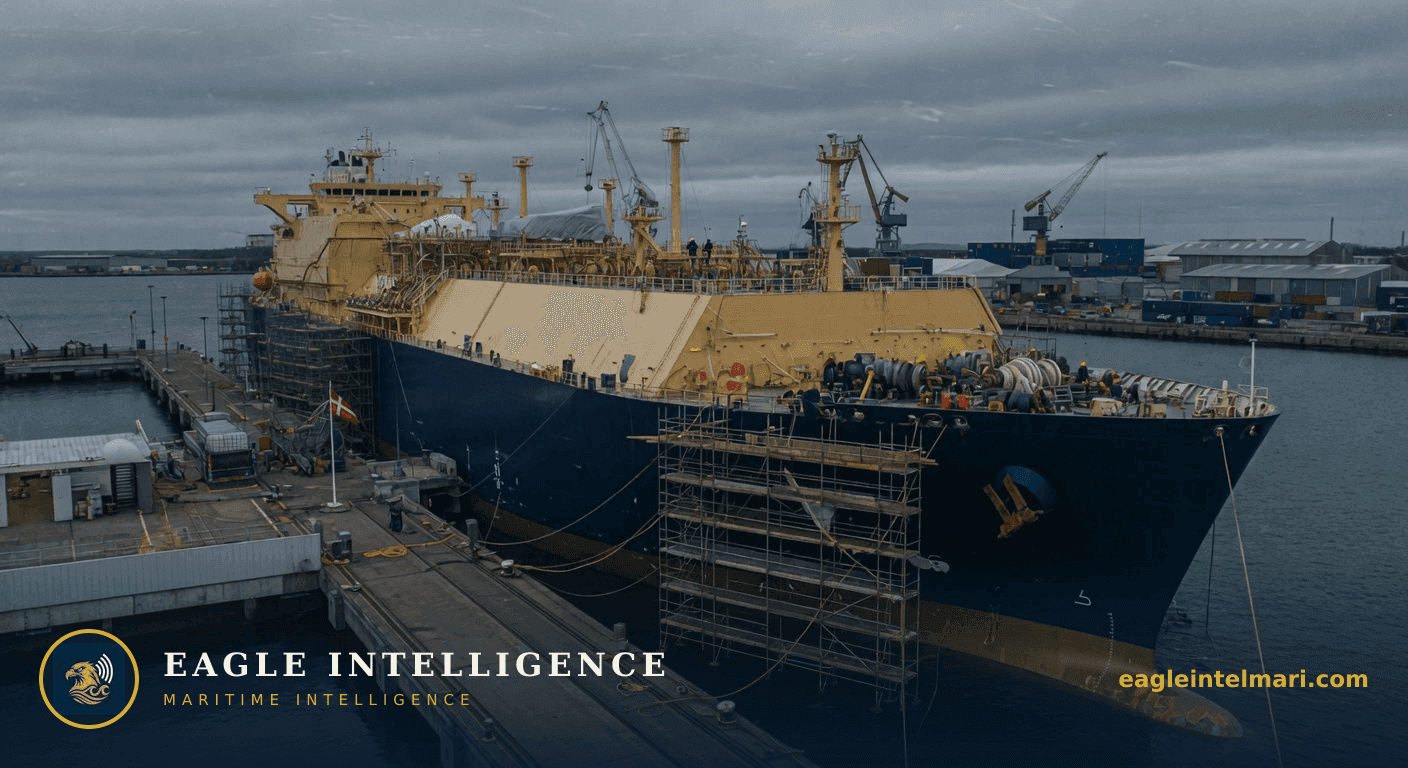
Denmark’s Fayard remains the sole European facility still servicing Russia’s Arctic LNG carriers through summer 2026, even as broader Western withdrawal accelerates.

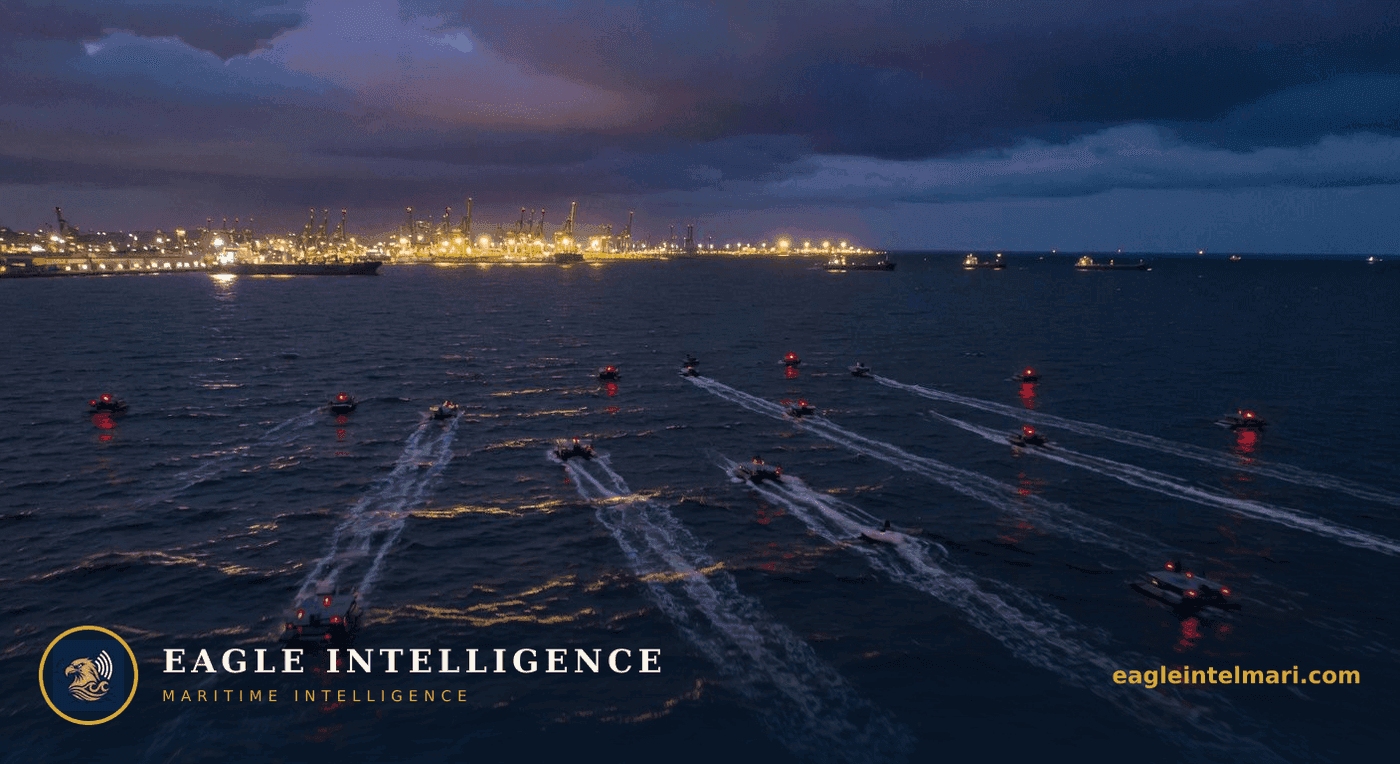
Startups supplying autonomous sea drones and robot trucks are hardening Ukraine’s defenses around Odesa, directly complicating Russian long-range drone flights across the Black Sea and altering risk calculations for every commercial operator using the port.

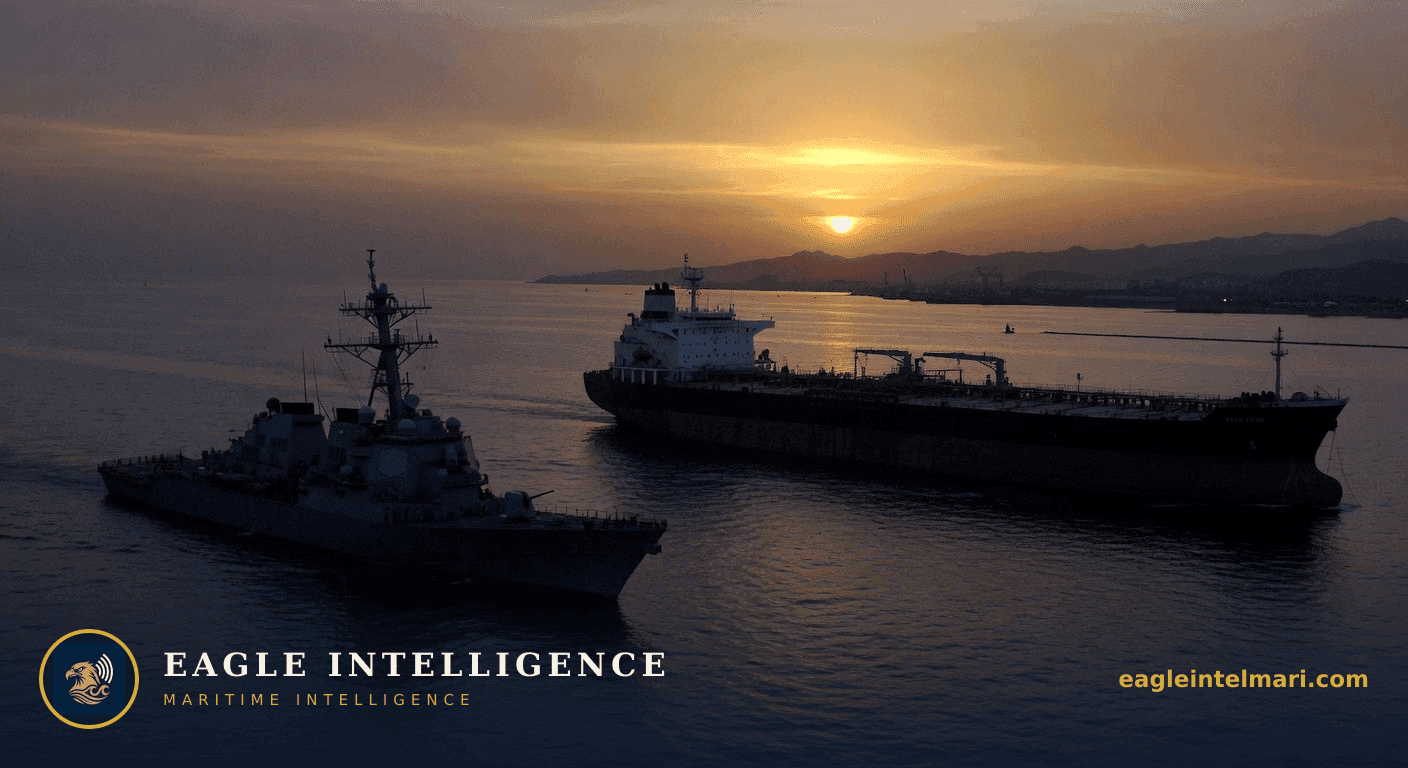
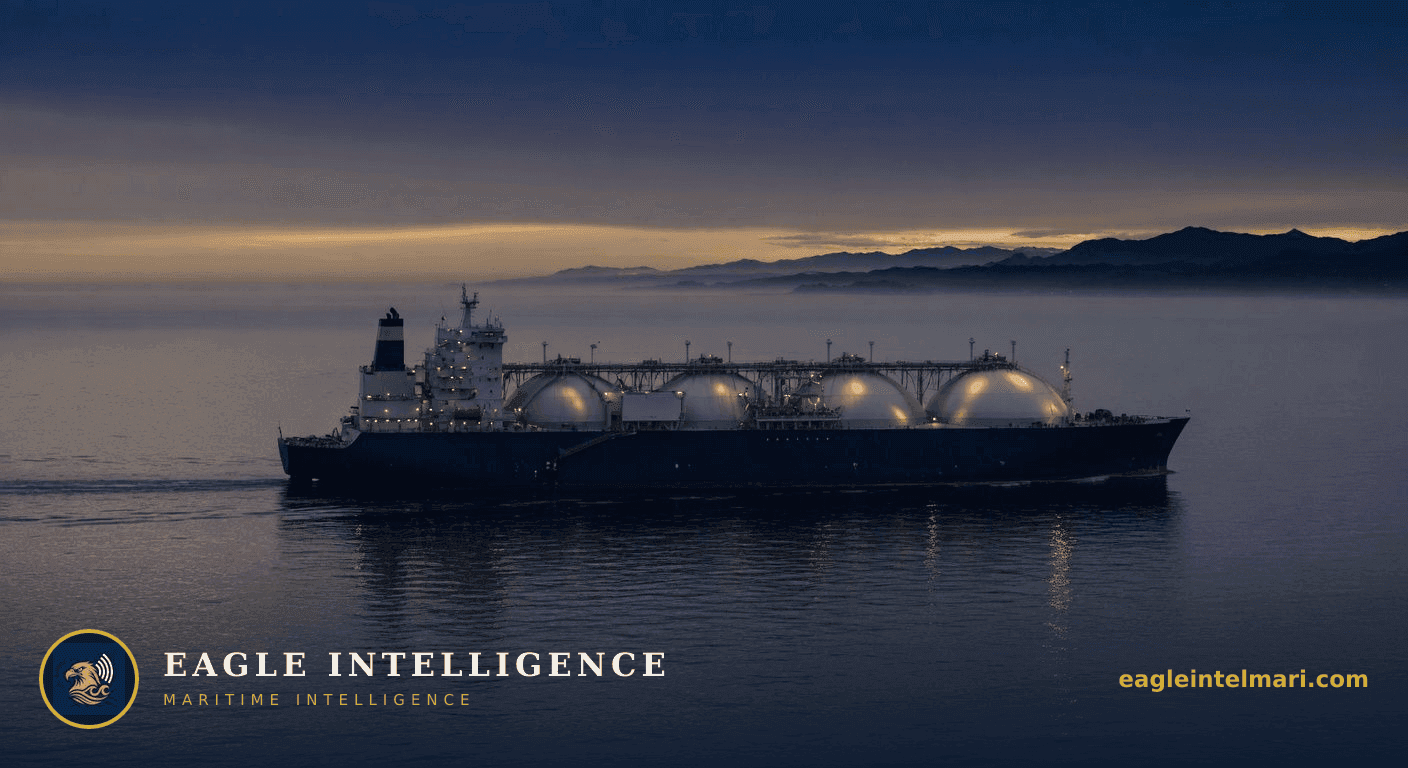
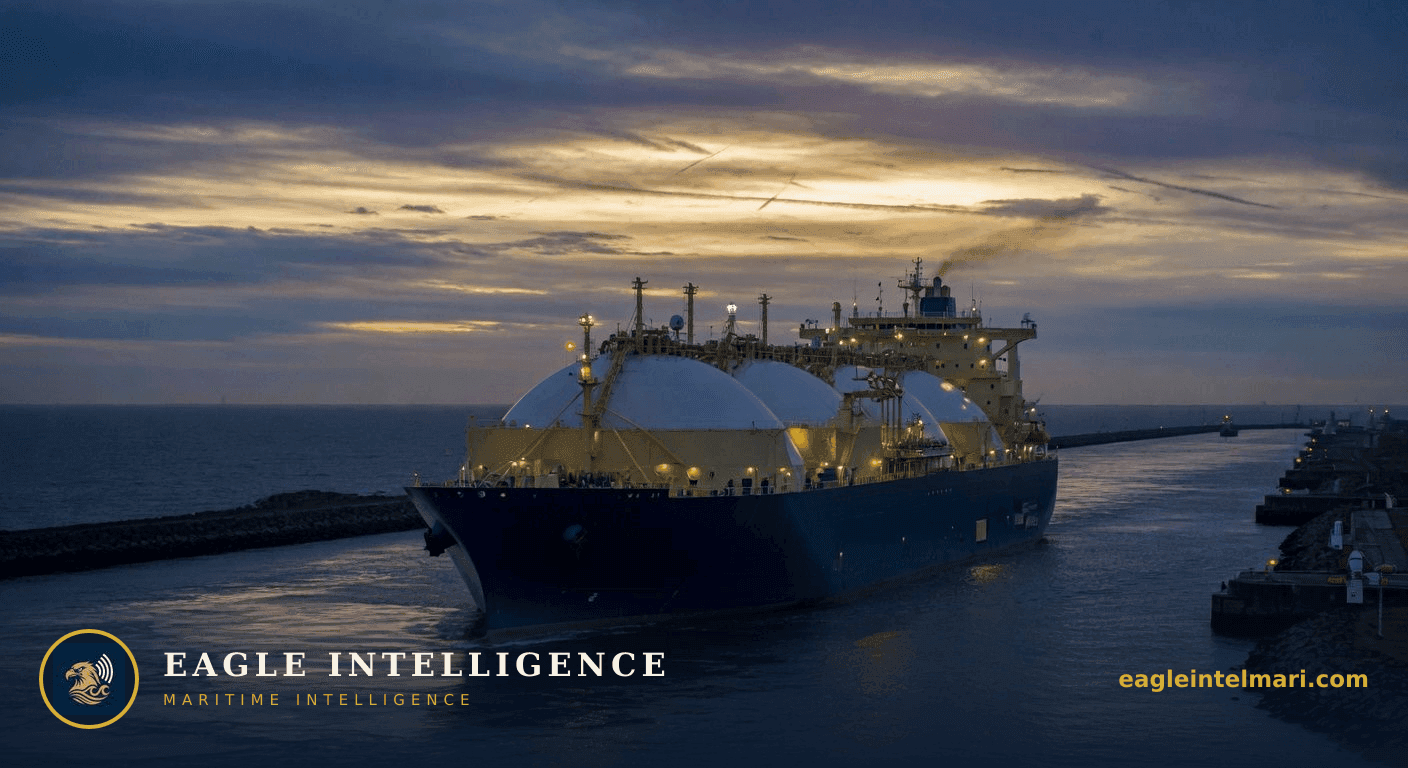
An LNG tanker switched off its transponder while exiting the Persian Gulf, signaling how the Iran war is forcing gas shipments into covert operations.
Showing 531–540 of 921 articles