LNG spot rates hold firm overall as limited prompt tonnage in the East lifts the BLNG1 Australia-Japan assessment by $6,400 week-on-week, while LPG earnings appear to have reached a cyclical ceiling.
Advertisement
Advertisement
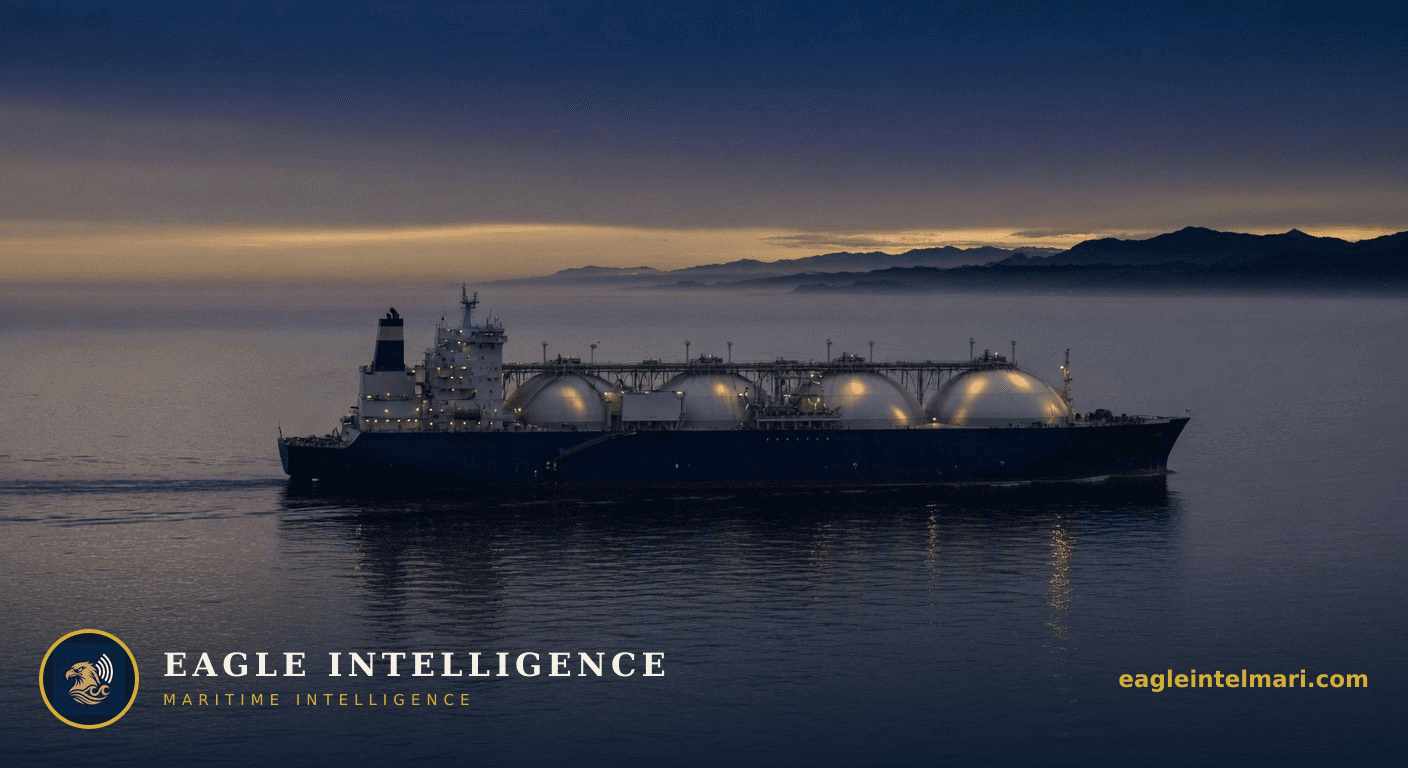
LNG spot fixtures remain steady this week even as a tightening of available tonnage in the Pacific basin lends selective support to rates, most visibly on the key Australia-Japan route.
Vessel supply constraints east of Suez have begun to translate into measurable rate support on long-haul trades, even though overall enquiry volumes stay moderate. The $6,400 week-on-week gain recorded on the BLNG1 assessment for 174,000 cbm units illustrates how quickly a modest shortfall of prompt tonnage can move the needle when charterers need June or early-July loading slots.
With fewer open vessels in the region, Japanese and Korean buyers are having to accept earlier fixing cycles or absorb modest premiums to secure tonnage. This dynamic favors owners who can position vessels for prompt delivery but leaves charterers with less leverage to push for shorter laycans or optional discharge ports.
Parallel movements in the LPG carrier market suggest earnings have reached a near-term high. Forward curves for larger VLGCs have flattened, indicating that both owners and charterers anticipate limited further upside in the absence of a fresh surge in Middle East or US export volumes.
Steady LNG rates combined with an apparent LPG ceiling give underwriters clearer signals for mid-year renewals. Hull markets are unlikely to press for additional war-risk loadings on standard routes, yet P&I clubs will watch crew-change patterns closely if charterers accelerate fixtures to lock in current LPG economics.
If Pacific delays persist through monsoon season, Australia-Japan rates could test a further $8,000–10,000 premium by mid-July. A rapid release of newbuilding deliveries or a slowdown in Northeast Asian import tenders would instead cap the upside and allow Atlantic-Pacific spreads to narrow again. Should LPG export arbitrage close faster than expected, owners may ballast vessels toward the Atlantic, easing Pacific tightness and muting the recent rate gains within six to eight weeks.
Advertisement
Advertisement
⚠️ Intelligence Disclaimer: This analysis is produced by Eagle Intelligence's AI-assisted automated analysis system and is provided for informational purposes only. See our editorial standards. It is not a substitute for official maritime safety advisories from UKMTO, MSCHOA, IMO, or flag state authorities. Operational decisions should always be based on official guidance and professional judgment. Eagle Intelligence accepts no liability for any loss arising from reliance on this content.
Live chokepoint status, war-risk shifts, and the daily maritime wire, straight to your inbox. Free.
Leave a comment
All comments moderated for quality
