An LNG tanker switched off its transponder while exiting the Persian Gulf, signaling how the Iran war is forcing gas shipments into covert operations.
Advertisement
Advertisement
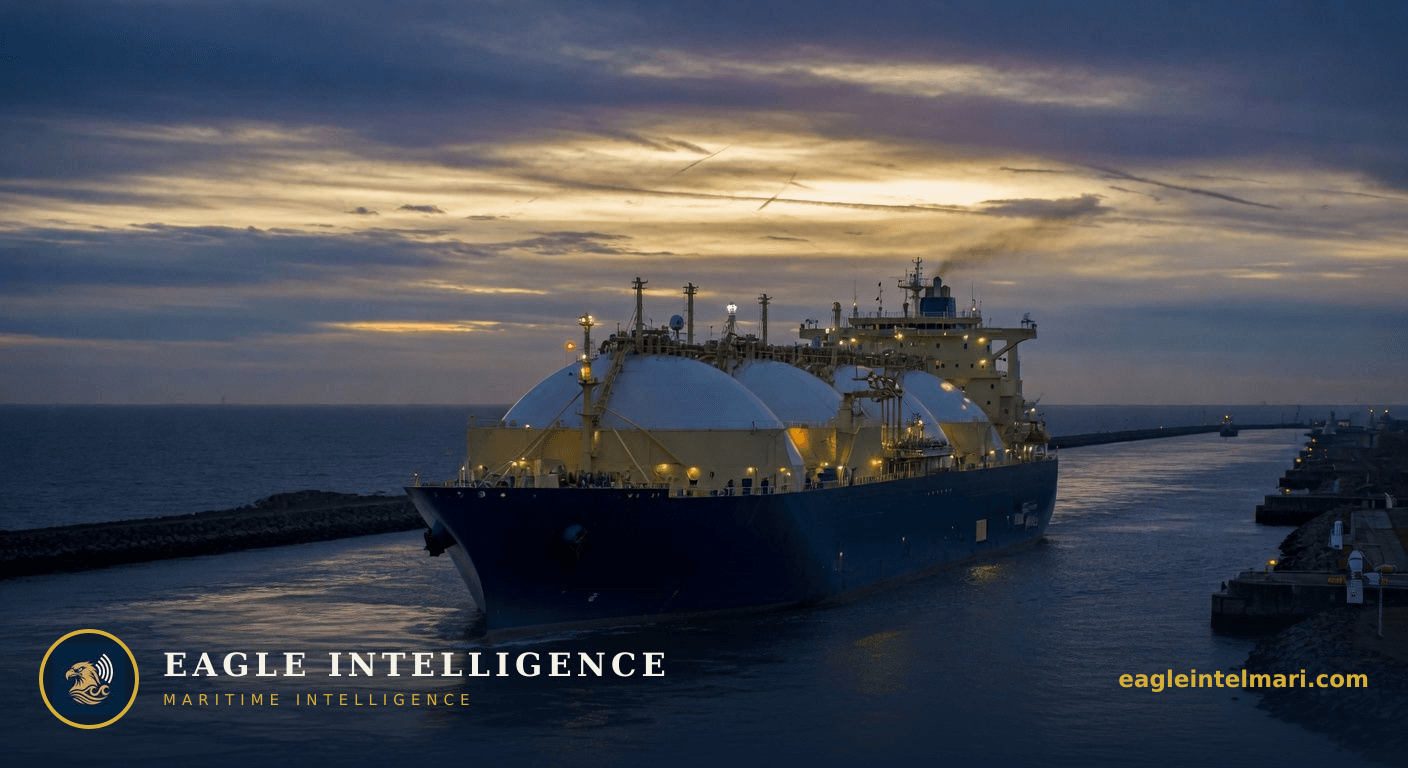
An LNG carrier transiting the Strait of Hormuz disabled its AIS transponder after posting a routine social-media update, illustrating the rapid shift of gas cargoes into dark-fleet practices amid active conflict around Iran.
The Al Rayyan, carrying liquefied natural gas, was preparing to exit the Persian Gulf when a crew member shared an image of a rainbow over the bow. Hours later the vessel went silent on tracking systems. The incident coincides with heightened naval activity linked to the Iran war and follows repeated warnings that Hormuz traffic faces direct threats.
Dark transits remove the safety margin provided by real-time position data, raising collision risk in the narrow shipping lanes and complicating search-and-rescue coordination. Masters must now rely on visual sightings and limited VHF exchanges, while insurers face gaps in voyage records that affect claims and war-risk pricing.
LNG charterers are quietly accepting higher premiums and longer routing options to keep cargoes moving. The episode underscores how quickly a high-value, high-profile trade can adopt the same opacity previously confined to sanctioned oil cargoes, eroding transparency across the entire energy supply chain.
Further Hormuz transits are likely to follow the same pattern unless naval escorts or safe-passage corridors are established. Market participants should prepare for sustained AIS blackouts, elevated war-risk surcharges, and potential delays at receiving terminals as vessels reroute or wait for secure windows.
Advertisement
Advertisement
Live Hormuz transit status and war-risk band.
Live 1–5 shipping war-risk level across monitored chokepoints.
⚠️ Intelligence Disclaimer: This analysis is produced by Eagle Intelligence's AI-assisted automated analysis system and is provided for informational purposes only. See our editorial standards. It is not a substitute for official maritime safety advisories from UKMTO, MSCHOA, IMO, or flag state authorities. Operational decisions should always be based on official guidance and professional judgment. Eagle Intelligence accepts no liability for any loss arising from reliance on this content.
Live chokepoint status, war-risk shifts, and the daily maritime wire, straight to your inbox. Free.
Leave a comment
All comments moderated for quality
