U.S. and Iranian negotiators have converged on draft language to halt months of open conflict and restore commercial transit through the Strait of Hormuz, the chokepoint that carries roughly one-fifth of global oil trade.
Advertisement
Advertisement
Washington and Tehran have converged on draft language to end months of open conflict and restore commercial transit through the Strait of Hormuz, the chokepoint that carries roughly one-fifth of global oil trade.
Both capitals now treat the strait’s closure as more costly than continued fighting. Tanker rates for VLCCs on the Gulf-to-Asia route have already priced in a prolonged shutdown, yet physical inventories at Asian refineries remain thin. A deal that reopens the waterway within days would therefore trigger an immediate unwind of war-risk premiums that have added $3–4 per barrel to delivered crude. The U.S. side gains leverage over China’s energy security while Iran secures an end to secondary sanctions that have crippled its tanker fleet.
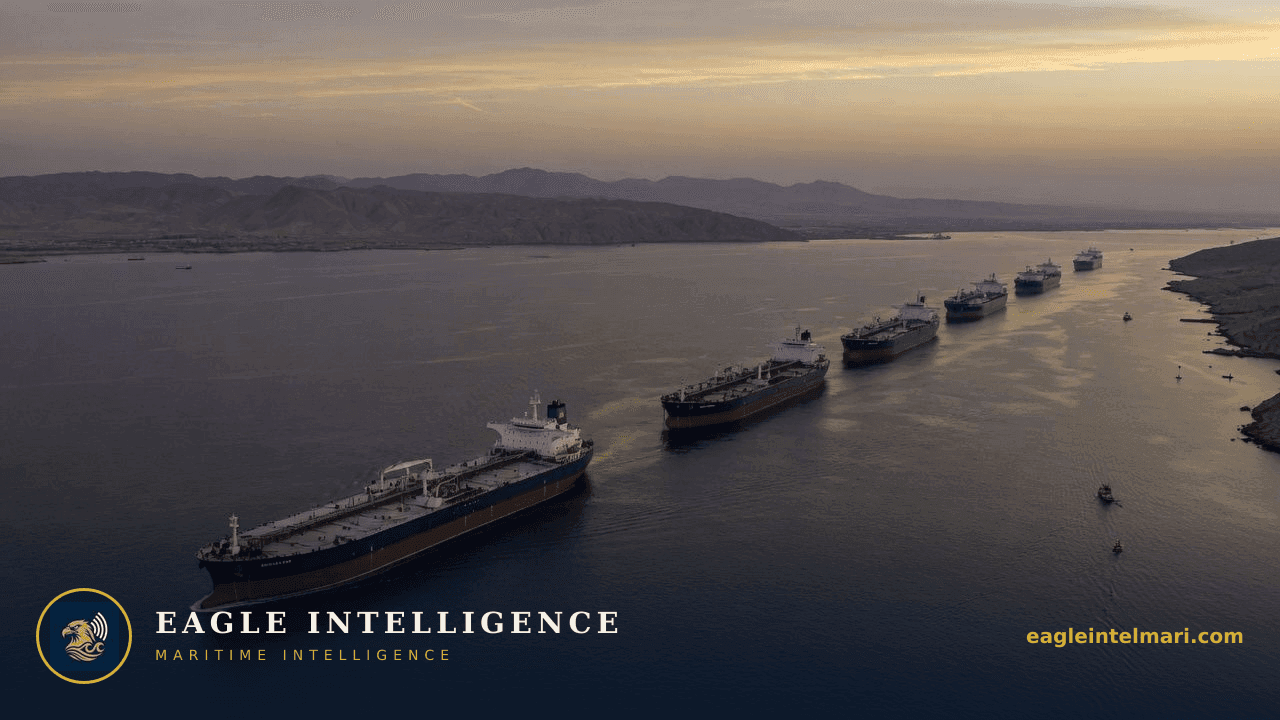
Shipowners who diverted vessels around the Cape of Good Hope during the closure now face a binary decision: maintain the long-haul routing or pivot back to Hormuz once safe-passage guarantees are published. Charterers holding period charters are already circulating revised voyage orders that cut 12–14 days from Ras Tanura to Yokohama. The first 48 hours after signature will see a scramble for pilots, tugs and bunkers at Fujairah and Khor Fakkan as vessels that have been loitering in the Gulf of Oman attempt to enter the strait in a compressed window.
Hull and P&I war-risk underwriters have collected record premiums since the conflict began, yet they now confront the opposite problem: a sudden surge in claims once traffic resumes. Vessels damaged by mines or missiles will require surveys inside Iranian or Omani waters, raising questions over which jurisdiction governs inspection and salvage. Clubs are quietly updating their war-risk exclusion clauses to anticipate a post-ceasefire “tail period” during which residual threats may still materialise.
The current standoff mirrors the final months of the Iran-Iraq “Tanker War,” when both sides accepted a ceasefire only after attacks on neutral shipping had driven insurance rates beyond the tolerance of Japanese and European charterers. In 1988 the reopening was orderly because a UN-brokered agreement included tacit U.S. naval guarantees. Today’s draft reportedly contains similar language on freedom of navigation, yet lacks an explicit multinational escort mechanism, leaving owners to weigh the value of private armed security against potential Iranian objections.
A swift signature followed by joint U.S.-Iranian statements on de-mining would see laden VLCCs transiting within ten days and Brent crude dropping $6–8 per barrel. A delayed signature—pushed into late June by last-minute haggling over sanctions relief—would keep rates elevated and force more vessels into the Cape routing, tightening tonnage supply in the Atlantic basin. The third path, a signature without credible enforcement language, would produce a trickle of traffic hedged by expensive private escorts and keep war-risk premiums stubbornly high for months.
Oman and the UAE are already modelling a surge in vessel calls once Hormuz reopens. Fujairah is expanding anchorage capacity while Muscat updates its pilotage roster. Panama and Liberia, which together flag more than 30 percent of the global tanker fleet, are drafting circulars reminding masters that any post-ceasefire transit must still comply with existing sanctions lists until formal delistings occur. Crew welfare officers are preparing rotation schedules that had been frozen for weeks, anticipating that seafarers on extended contracts will demand immediate relief once the strait is declared open.
Advertisement
Advertisement
Live Hormuz transit status and war-risk band.
Live 1–5 shipping war-risk level across monitored chokepoints.
⚠️ Intelligence Disclaimer: This analysis is produced by Eagle Intelligence's AI-assisted automated analysis system and is provided for informational purposes only. See our editorial standards. It is not a substitute for official maritime safety advisories from UKMTO, MSCHOA, IMO, or flag state authorities. Operational decisions should always be based on official guidance and professional judgment. Eagle Intelligence accepts no liability for any loss arising from reliance on this content.
Live chokepoint status, war-risk shifts, and the daily maritime wire, straight to your inbox. Free.
Leave a comment
All comments moderated for quality
