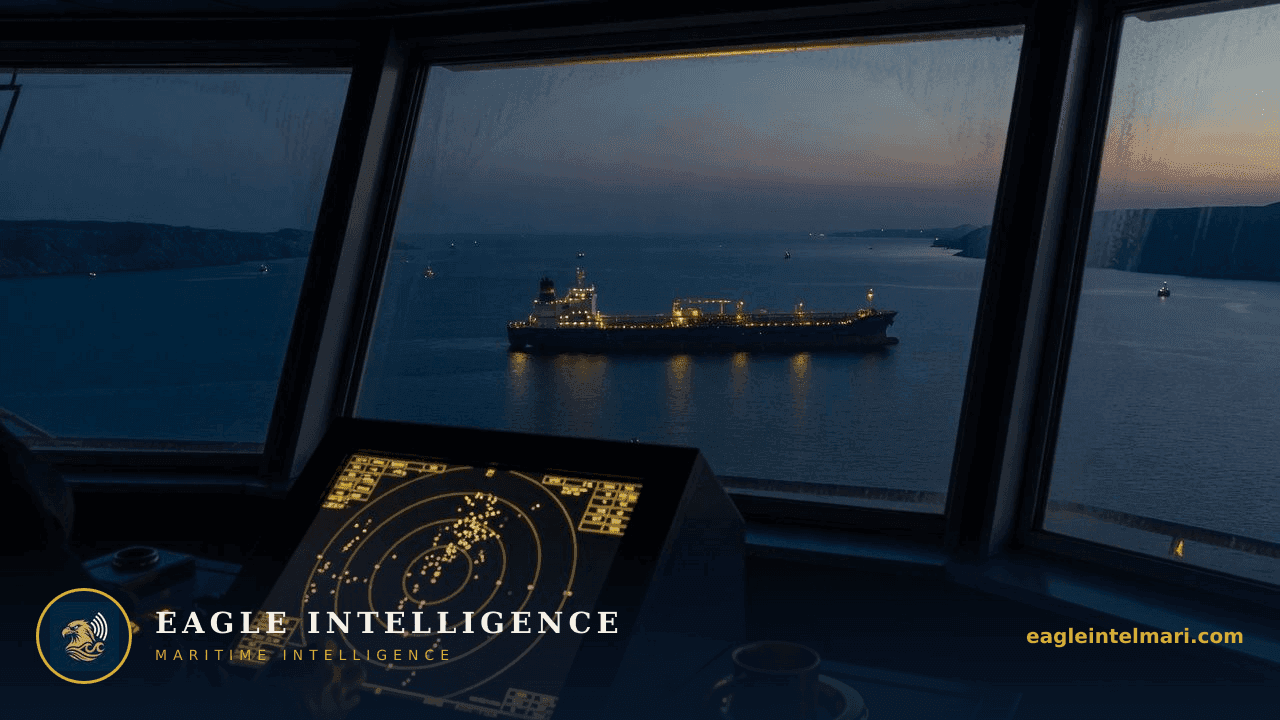
Tanker owners and charterers now face the concrete choice of whether to resume central Strait of Hormuz passages or keep paying for longer diversions after the first reported returns since the war began.
Advertisement
Advertisement
Tanker owners and charterers now face the concrete choice of whether to resume central Strait of Hormuz passages or keep paying for longer diversions after the first reported returns since the war began.
The First Reported Transits
Early indications show a handful of tankers have begun using the central corridor again, marking the initial movement since hostilities closed that route. The Strait remains a chokepoint where even partial reopening alters daily scheduling for vessels carrying crude from Gulf terminals. Owners must weigh whether these early crossings reflect genuine de-escalation or represent isolated trials that could still draw renewed threats.
Owners Face Immediate Routing Decisions
For owners with VLCCs and Suezmaxes positioned in the Gulf or off Fujairah, each day spent on the longer Cape route adds roughly 12-15 days and several hundred thousand dollars in fuel and hire costs. The central corridor cuts that exposure sharply, yet hull insurers have yet to publish revised war-risk endorsements for the restored path. Operators are therefore running internal models that compare potential premium hikes against the daily savings of the shorter transit.
Charterers Reassess Cargo Flow Timing
Charterers booking cargoes out of Ras Tanura, Kharg Island or other Gulf terminals now see the possibility of tighter laycan windows if the corridor stays open. Those holding contracts with fixed delivery dates into Asia or Europe gain leverage to renegotiate demurrage terms once the shortcut becomes reliable. However, any single incident that forces another closure would immediately push fixtures back toward the longer route and spike spot rates.
Insurers Set the Pace for Re-engagement
P&I clubs and hull underwriters typically move first on these corridors because their war-risk surcharges directly influence commercial decisions. Until they release updated guidance, most owners will keep vessels on the safer but costlier path. The lag between physical reopening and formal insurance cover creates a narrow window where only the most cash-flow resilient operators can test the route.
Crew and Manning Agencies Watch Exposure
Manning agencies rotating crews through ports in the region must now update risk assessments for seafarers whose contracts include Hormuz transits. Even limited use of the central corridor raises questions about war-zone bonuses and repatriation plans if conditions shift again. For owners, the added cost of hazard pay can offset some of the routing savings until the security picture stabilizes.
Flag States and Port Calls Adjust Procedures
Flag states that have advised against Hormuz transits during the conflict period are expected to issue new circulars in the coming weeks. Ports in the Gulf and downstream receiving terminals will also review pilotage and traffic-separation schemes that were altered when the central corridor was off-limits. These administrative steps often lag the first physical transits and can create short-term bottlenecks even after vessels begin using the route again.
What to Watch Next
Track the next published war-risk premium adjustment from major London underwriters; any figure below the pre-war baseline will signal that the central corridor is moving from experimental to standard routing for a wider segment of the fleet.
Advertisement
Advertisement
Live Hormuz transit status and war-risk band.
Live 1–5 shipping war-risk level across monitored chokepoints.
⚠️ Intelligence Disclaimer: This analysis is produced by Eagle Intelligence's AI-assisted automated analysis system and is provided for informational purposes only. See our editorial standards. It is not a substitute for official maritime safety advisories from UKMTO, MSCHOA, IMO, or flag state authorities. Operational decisions should always be based on official guidance and professional judgment. Eagle Intelligence accepts no liability for any loss arising from reliance on this content.
Live chokepoint status, war-risk shifts, and the daily maritime wire, straight to your inbox. Free.
Leave a comment
All comments moderated for quality
