A sudden US-Iran peace deal ends active hostilities but leaves 20,000 seafarers and roughly 500 vessels needing safe passage out of the Persian Gulf before normal traffic through Hormuz can resume.
Advertisement
Advertisement
The US-Iran peace agreement ends weeks of direct confrontation yet creates an immediate operational bottleneck: thousands of crew members and hundreds of ships must be extracted from the Gulf before commercial traffic through the Strait of Hormuz can return to any semblance of normality.
ICS Secretary General Thomas Kazakos correctly flagged seafarer departure as the first priority. With an estimated 20,000 mariners still inside the affected area, the task involves coordinated routing, port access permissions from multiple states, and fresh insurance cover for the outbound legs. Historical precedent from the 1980s tanker war shows that even after formal ceasefires, vessel movements remained restricted for four to six weeks while mines were cleared and navies verified safe corridors.
Hull and P&I underwriters will be the first market participants to adjust pricing. War-risk additional premiums for Hormuz transits have already been withdrawn in some syndicates, yet cover for vessels still inside the Gulf remains subject to individual negotiation until each ship clears the Strait. Charterers holding vessels on time-charter will face immediate disputes over whether the peace agreement constitutes a force-majeure event or merely a temporary suspension of trading limits.
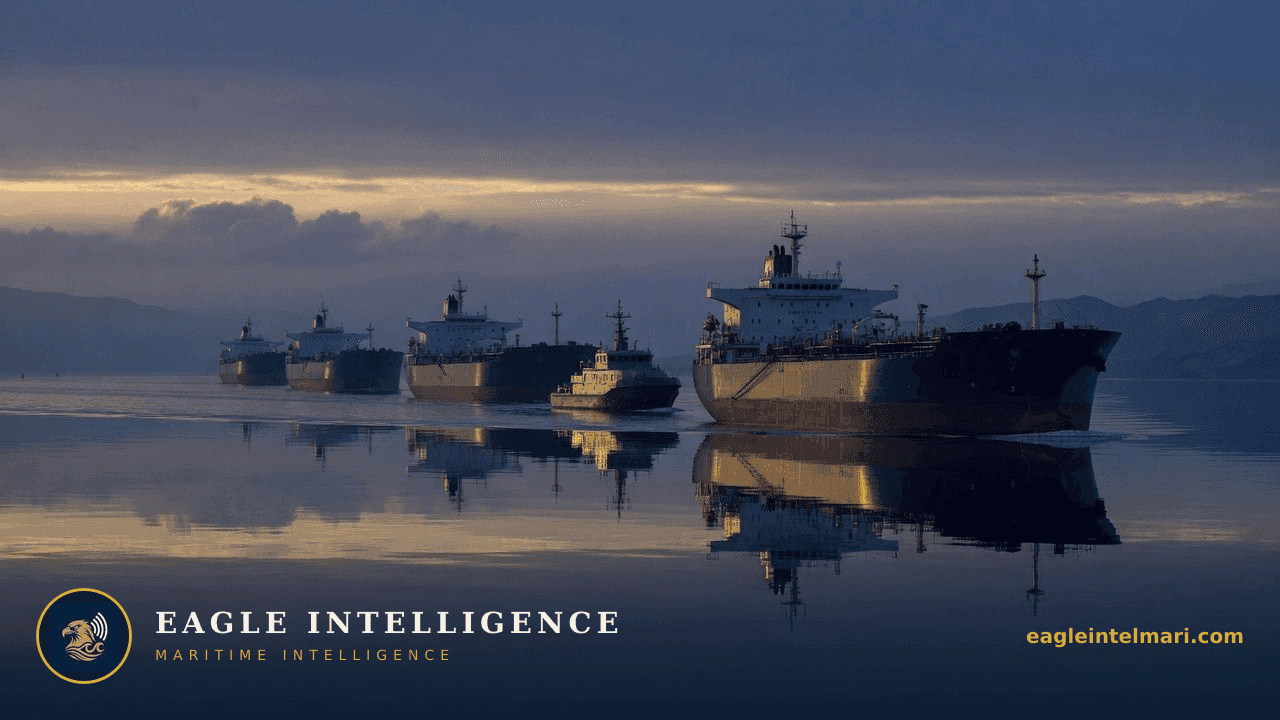
Tankers constitute the majority of the 500 vessels cited by the ICS. Any phased reopening will first favour very large crude carriers already ballasted and ready to sail, followed by product carriers and then container ships. Energy traders are already modelling a 1.2–1.8 million barrel per day surge in visible exports within three weeks if Iranian terminals resume loadings without sabotage. The speed of that surge depends on how quickly flag states and classification societies re-issue trading certificates for the trapped fleet.
Many of the 20,000 seafarers are from third-party crewing nations whose governments will now press for rapid repatriation. Flag states with large registries in the region face simultaneous pressure to authorise emergency crew changes at anchorages outside the Strait while still respecting Iranian and Saudi port controls. Fatigue, visa complications and unpaid wages accumulated during the conflict period will generate claims that P&I clubs must process under time pressure.
A best-case path sees escorted convoys clear the backlog inside 25 days, restoring 80 percent of normal Hormuz throughput by mid-July. A middle scenario features staggered sailings limited to daylight hours and subject to naval inspection, stretching normalisation into early August. A slower path emerges if residual mine threats or political disputes over inspection regimes keep laden tankers at anchor for six weeks or more, pushing freight futures for July and August sharply higher.
Owners of vessels still inside the exclusion zone carry the greatest immediate exposure. Charterers will attempt to shift delay costs via off-hire clauses, while hull insurers may impose new deductibles for any damage sustained during the outbound transit. Ports in Oman and the UAE that serve as staging points for crew relief will experience sudden demand spikes that test berthing and logistics capacity.
Advertisement
Advertisement
Indicative Additional War Risk Premium (AWRP) ranges — not a binding insurance quote.
Live Hormuz transit status and war-risk band.
Live 1–5 shipping war-risk level across monitored chokepoints.
⚠️ Intelligence Disclaimer: This analysis is produced by Eagle Intelligence's AI-assisted automated analysis system and is provided for informational purposes only. See our editorial standards. It is not a substitute for official maritime safety advisories from UKMTO, MSCHOA, IMO, or flag state authorities. Operational decisions should always be based on official guidance and professional judgment. Eagle Intelligence accepts no liability for any loss arising from reliance on this content.
Live chokepoint status, war-risk shifts, and the daily maritime wire, straight to your inbox. Free.
Leave a comment
All comments moderated for quality
