A 13.2 percent week-on-week jump in US LNG feedgas to 19.3 bcf/d is anchoring prices at $3.14/MMBtu and signalling stronger summer loadings that will tighten available tonnage on the Atlantic.
Advertisement
Advertisement
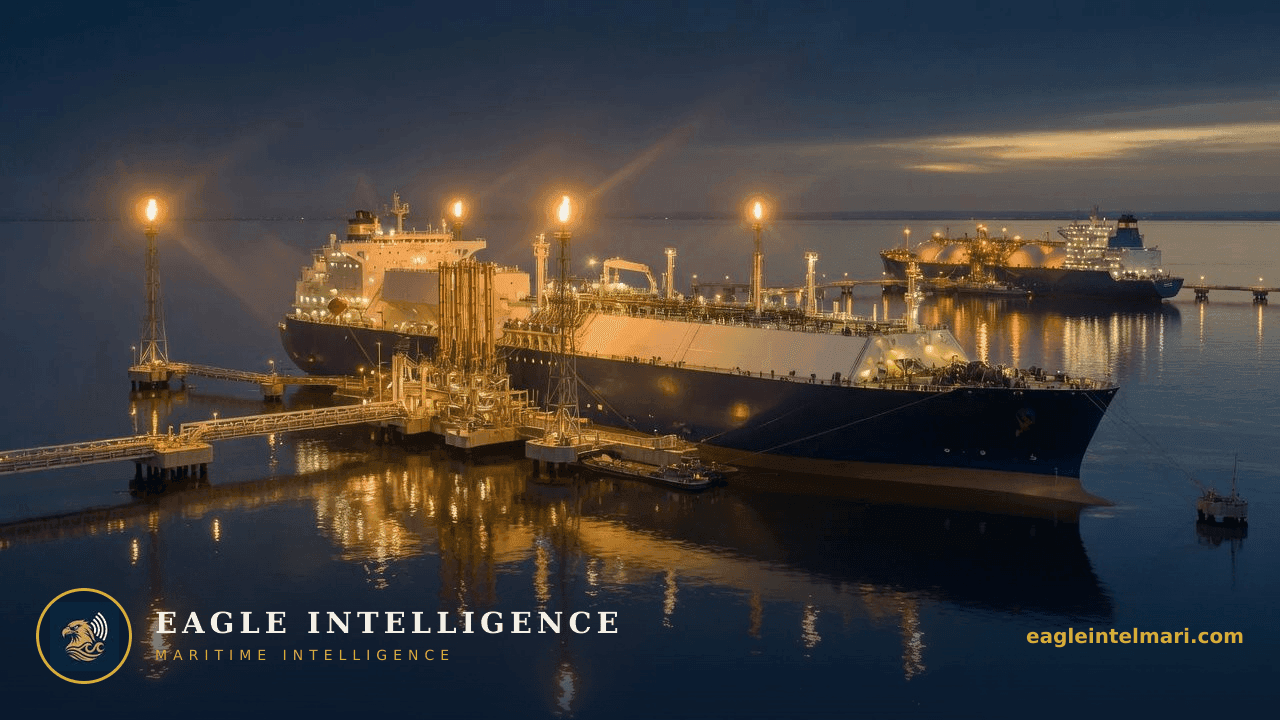
US natural gas prices holding at $3.14 per MMBtu reflect more than weather-driven cooling demand; they mark the first sustained rise in LNG export flows in six weeks and point to an immediate increase in vessel requirements out of the US Gulf.
Feedgas deliveries climbed to a six-week high of 19.3 billion cubic feet per day on Monday, up 13.2 percent from the prior week. This rebound coincides with forecast hotter temperatures across the US South and Midwest, lifting domestic power burn while simultaneously freeing more molecules for liquefaction. The combined pull is already visible in terminal nomination data, with Sabine Pass and Corpus Christi both scheduling additional cargoes for late June sailings.
The incremental 2.5 bcf/d of feedgas equates to roughly three extra 170,000-cbm cargoes per week. With the global LNG fleet utilisation rate already above 82 percent, every additional US cargo removes a vessel from the spot pool for 25–32 days on a typical Atlantic round voyage. Owners of modern X-DF tonnage are the first to benefit, as charterers seek efficient units to meet July delivery windows into Europe and Asia.
European and Asian buyers who delayed June tenders now confront a shrinking list of prompt carriers. Current fixture reports show Atlantic spot rates for steam vessels firming $4,000–6,000 per day week-on-week, while X-DF units have cleared at levels last seen in early May. Charterers with floating storage options are weighing whether to lock tonnage now or risk paying a premium once July maintenance schedules at European regas terminals begin.
Sabine Pass and Corpus Christi are both running near nameplate capacity. Any further volume increase will test berth availability and pilotage windows, especially during the traditional hurricane-season crew-change bottlenecks. Flag states of frequent callers, notably Marshall Islands and Liberia, are already receiving queries about extended crew waivers should vessels queue at anchorage.
P&I clubs covering LNG operators note that increased terminal throughput raises collision and grounding exposure in the narrow Sabine and Corpus Christi approach channels. Hull underwriters are quietly lifting deductibles on repeat callers by 5–7 percent for the July–September quarter, citing both traffic density and the seasonal uptick in tropical-storm activity.
If US cooling demand stays above seasonal norms, feedgas could remain above 19 bcf/d through August, pushing Atlantic LNG freight rates toward the upper end of the recent range. A faster-than-expected European demand recovery would divert tonnage from the Pacific, tightening the global fleet further. Conversely, an early Atlantic hurricane or sharp drop in US power burn would cut flows back toward 17 bcf/d and cap rate gains by mid-July.
Advertisement
Advertisement
⚠️ Intelligence Disclaimer: This analysis is produced by Eagle Intelligence's AI-assisted automated analysis system and is provided for informational purposes only. See our editorial standards. It is not a substitute for official maritime safety advisories from UKMTO, MSCHOA, IMO, or flag state authorities. Operational decisions should always be based on official guidance and professional judgment. Eagle Intelligence accepts no liability for any loss arising from reliance on this content.
Live chokepoint status, war-risk shifts, and the daily maritime wire, straight to your inbox. Free.
Leave a comment
All comments moderated for quality
