U.S. forces have disabled another sanctioned tanker in the Gulf of Oman, the seventh commercial vessel interdicted since the maritime blockade began, raising the stakes for Iran's oil exports and the operators who still move them.
Advertisement
Advertisement
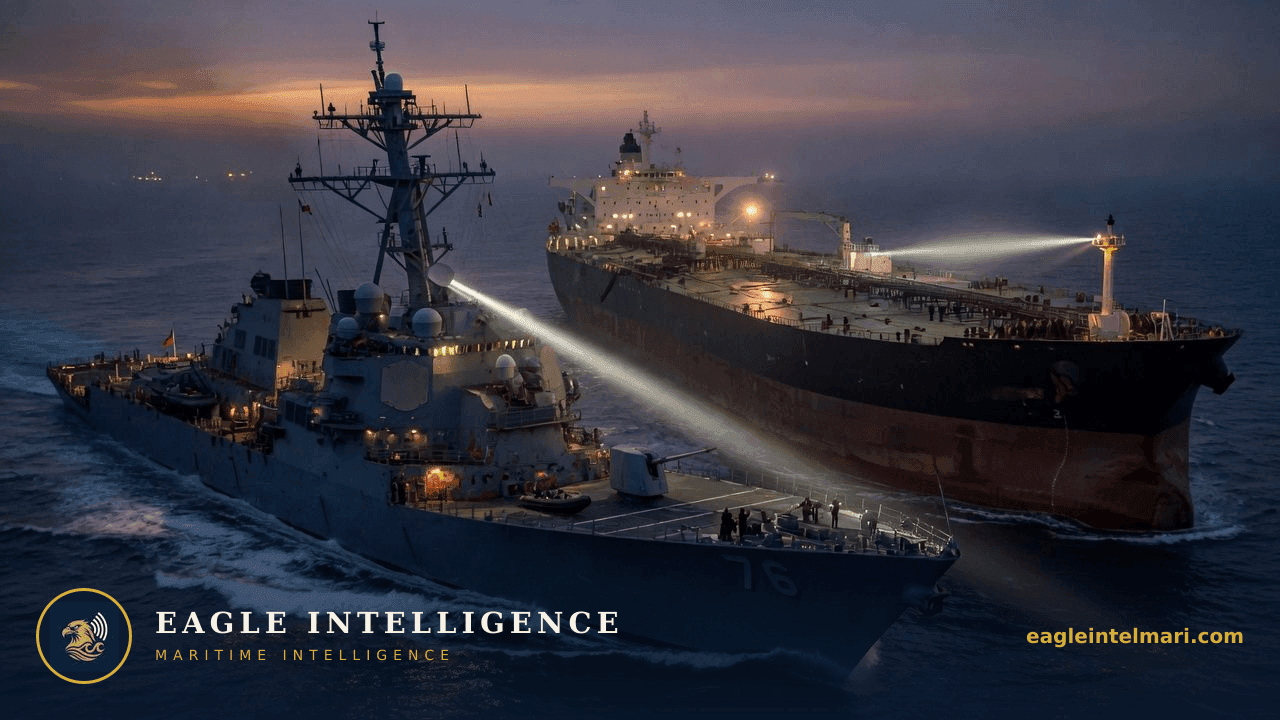
U.S. naval forces disabled a shadow-fleet tanker heading for Iran in the Gulf of Oman on 8 June, the seventh such interdiction since Washington imposed its current maritime blockade. The action underscores a sustained campaign that is already forcing Iranian crude movements into narrower, riskier channels.
Each successive interdiction removes tonnage from a fleet already operating with limited options. With seven vessels now taken out of service, the cumulative loss of deadweight tonnage is beginning to constrain Iran's ability to sustain previous export volumes, particularly to buyers willing to accept ship-to-ship transfers in the Arabian Sea.
The disabled tanker belonged to the network of vessels that have cycled through flag changes, AIS manipulation, and frequent ownership transfers to evade sanctions. Its loss reduces the pool of tonnage that can still load Iranian barrels without immediate detection, pushing remaining operators toward older, less reliable units or riskier routing.
Hull and P&I clubs have already tightened wording around sanctioned cargoes, yet the repeated interdictions signal that even vessels previously considered marginal may now trigger claims or detentions. Underwriters are likely to demand higher deductibles or outright exclusions for any voyage that transits the Gulf of Oman or approaches Iranian terminals, accelerating the withdrawal of legitimate cover.
Seafarers aboard shadow-fleet vessels are increasingly exposed to boarding operations that can end in vessel seizure and prolonged detention. Flag registries that have tolerated repeated name and ownership changes now risk secondary sanctions themselves, prompting several smaller flags to quietly distance themselves from the remaining Iranian-linked tonnage.
The interdictions are already visible in freight rates for dirty tankers willing to call at Iranian ports or conduct STS operations nearby. Charterers seeking to move sanctioned barrels must now absorb both higher war-risk premiums and the possibility of total loss of cargo and hull, compressing margins and reducing the number of buyers prepared to accept Iranian crude on delivered terms.
If interdictions continue at the current pace and target larger vessels, Iranian exports could drop below 300,000 barrels per day by September. A pause in operations, perhaps tied to diplomatic signals, would allow the remaining shadow fleet to regroup and test new evasion routes. A sharp escalation involving Iranian retaliation against commercial shipping would push war-risk rates sharply higher and likely draw in additional naval assets from multiple nations.
Advertisement
Advertisement
Live Hormuz transit status and war-risk band.
⚠️ Intelligence Disclaimer: This analysis is produced by Eagle Intelligence's AI-assisted automated analysis system and is provided for informational purposes only. See our editorial standards. It is not a substitute for official maritime safety advisories from UKMTO, MSCHOA, IMO, or flag state authorities. Operational decisions should always be based on official guidance and professional judgment. Eagle Intelligence accepts no liability for any loss arising from reliance on this content.
Live chokepoint status, war-risk shifts, and the daily maritime wire, straight to your inbox. Free.
Leave a comment
All comments moderated for quality
