Tehran’s operators are moving to restore export volumes just as Washington celebrates renewed flows from Gulf allies, setting up a quiet contest over barrels and hulls.
Advertisement
Advertisement
Tehran’s tanker operators are positioning vessels to lift Iranian crude again, even as President Trump publicly welcomed higher output from Saudi Arabia and the UAE. The timing creates immediate pressure on sanctions enforcement and on the pricing of Asian crude cargoes.
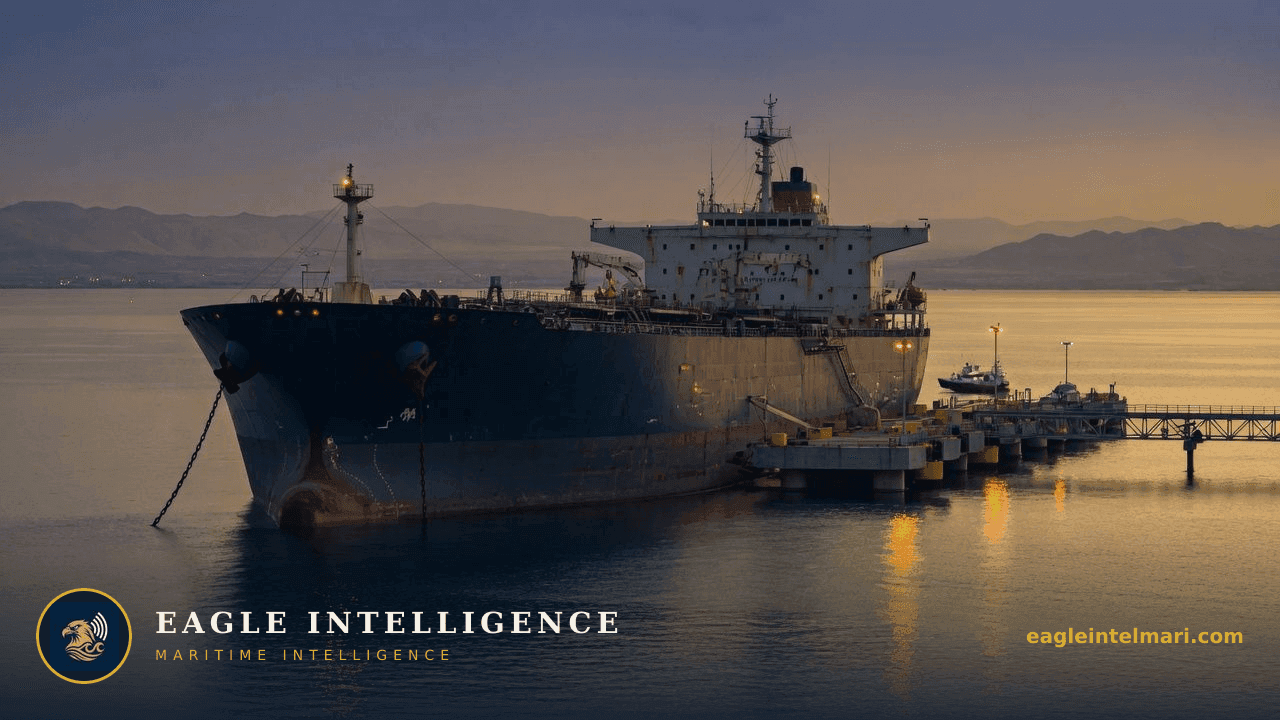
Iranian owners have begun shifting older VLCCs and Suezmaxes from lay-up or short-haul regional trades toward storage points near Kharg Island. These moves are visible in AIS gaps and sudden port calls at Bandar Abbas and Assaluyeh. The vessels in question are mostly 15- to 20-year-old units already flagged in jurisdictions that routinely ignore Western sanctions lists.
The fleet’s return hinges on flags willing to turn a blind eye and on ship-to-ship transfer tactics in the Gulf of Oman. Recent patterns show increased use of Malaysian and Tanzanian registries for short periods before reflagging, a tactic that previously allowed exports to exceed 1 million barrels per day despite formal restrictions. Without fresh designations or port-state pressure on intermediate hubs, the same corridors will reopen quickly.
Chinese and Indian buyers remain the only realistic offtakers at scale. Tehran's willingness to offer steep discounts—historically $20–30 per barrel below Brent—offsets the added freight, insurance, and reputational costs. Any sustained lift in Iranian barrels would therefore compete directly with Russian ESPO and Saudi OSP cargoes, likely capping the upside for Middle Eastern producers seeking higher realizations this summer.
Western insurers have largely exited Iranian-related risks, leaving coverage to a narrow group of regional and Asian providers. A visible uptick in Iranian exports would force these carriers to reassess accumulation on older tonnage and could push war-risk premiums higher for any vessel calling Iranian terminals. Hull underwriters will also watch for clustering of single-hull or semi-double-hull units that have already exhausted class extensions.
First, if enforcement remains passive, Iranian loadings could climb toward 800,000 barrels per day within 90 days, adding downward pressure on Dubai crude differentials. Second, a single high-profile seizure or fresh OFAC designation on a key operator would likely freeze activity again for several months. Third, a negotiated sanctions relief package—however narrow—would trigger a rapid surge in modern tonnage and force shadow operators to compete on service rather than discount alone.
Crews on these vessels face elevated detention risk at third-country ports and potential insurance gaps if incidents occur outside accepted war zones. Flag states that have accepted Iranian-linked tonnage in the past may now face diplomatic pressure to delist ships before the next quarter’s vetting cycles begin.
Advertisement
Advertisement
⚠️ Intelligence Disclaimer: This analysis is produced by Eagle Intelligence's AI-assisted automated analysis system and is provided for informational purposes only. See our editorial standards. It is not a substitute for official maritime safety advisories from UKMTO, MSCHOA, IMO, or flag state authorities. Operational decisions should always be based on official guidance and professional judgment. Eagle Intelligence accepts no liability for any loss arising from reliance on this content.
Live chokepoint status, war-risk shifts, and the daily maritime wire, straight to your inbox. Free.
Leave a comment
All comments moderated for quality
