Charterers and forwarders booking east Asia to US West Coast sailings now face an immediate choice: secure space at spot rates that jumped another 8% this week or absorb the risk of steeper increases once new tariffs take effect.
Advertisement
Advertisement
Charterers and forwarders booking east Asia to US West Coast sailings now face an immediate choice: secure space at spot rates that jumped another 8% this week or absorb the risk of steeper increases once new tariffs take effect.
Freightos data shows spot rates from China and east Asia to the US West Coast rose 8% in a single week as importers accelerate shipments to clear goods before higher duties land. The move echoes the 2018-2019 trade-war surge but is occurring against a backdrop of already elevated baseline freight costs and tighter vessel availability on the transpacific. For owners with modern tonnage fixed on this lane, the rate spike improves near-term earnings, yet it also raises the prospect of cargo roll-overs and schedule slippage once terminal congestion builds.
While container boxes command premiums, liquid tanker rates stayed steady to softer across most clean and dirty segments. The divergence stems from seasonal demand patterns and ample tonnage supply that has kept utilisation below the thresholds needed for sustained rate recovery. Charterers of product tankers therefore enjoy more negotiating room, particularly on routes serving Asian refiners that have not yet aligned their export schedules with the front-loaded container rush.
For charterers with annual volume commitments, the 8% weekly move compresses the window for spot-market arbitrage and forces earlier decisions on whether to trigger contract options or accept higher ad-hoc pricing. Those who delay risk both rate escalation and equipment shortages as boxes are repositioned toward high-paying US-bound cargoes. P&I clubs have already flagged increased cargo-damage claims during periods of accelerated stuffing and rushed terminal handovers, translating the rate surge into a concrete claims exposure.
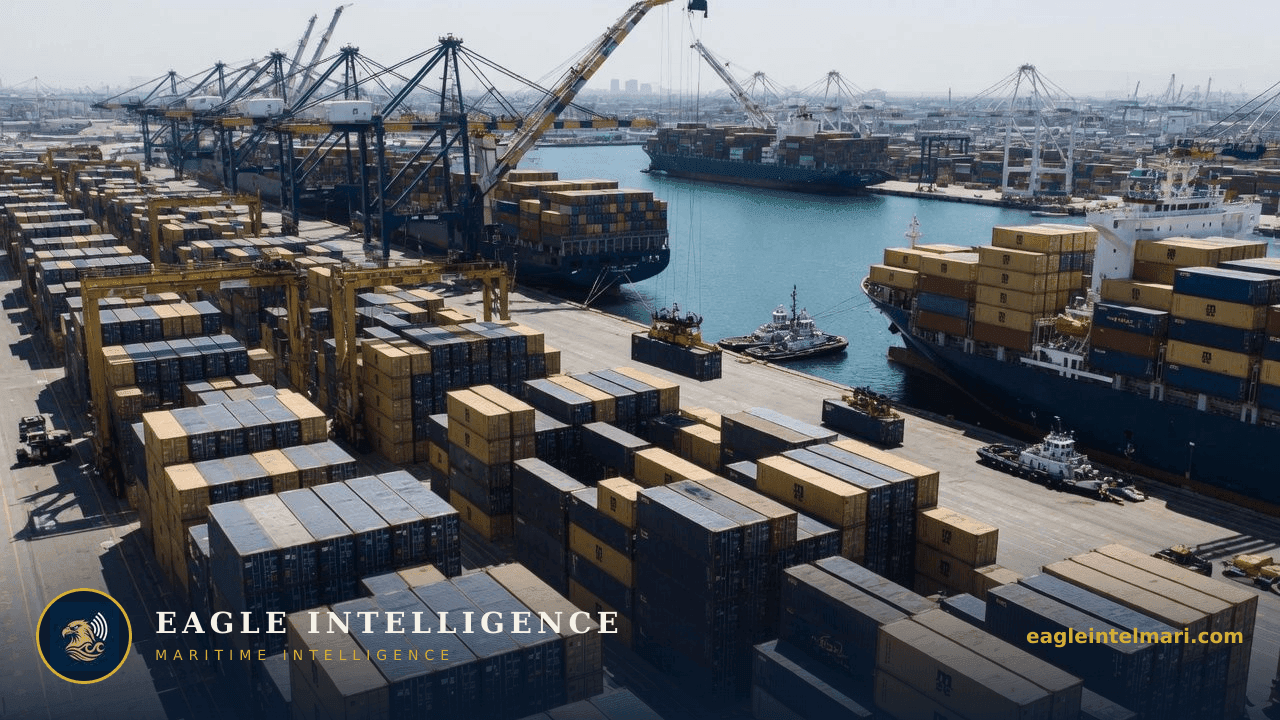
Los Angeles and Long Beach terminals are the first to feel the volume pulse, with importers’ advance bookings compressing the usual summer lull. Equipment imbalances are likely to widen as empty containers are prioritised for return voyages to Asia rather than domestic repositioning. Owners and operators must weigh the earnings upside against higher demurrage costs and potential schedule penalties if berthing windows slip by even two or three days.
The current acceleration mirrors the 2018-19 episode when transpacific spot rates briefly doubled before settling into a new elevated range. That earlier episode produced lasting shifts in inventory strategies and accelerated some manufacturing relocation out of China; today’s version occurs at higher absolute rate levels and with less spare vessel capacity, suggesting any post-tariff correction may be shallower and shorter-lived.
Monitor whether the Freightos index sustains or exceeds the latest 8% step-up once the next round of tariff announcements clarifies the duty timeline. A further 10% climb within two weeks would signal that front-loading has moved from tactical to structural, forcing owners and charterers alike to lock in longer-period contracts before the market tests its next ceiling.
Advertisement
Advertisement
⚠️ Intelligence Disclaimer: This analysis is produced by Eagle Intelligence's AI-assisted automated analysis system and is provided for informational purposes only. See our editorial standards. It is not a substitute for official maritime safety advisories from UKMTO, MSCHOA, IMO, or flag state authorities. Operational decisions should always be based on official guidance and professional judgment. Eagle Intelligence accepts no liability for any loss arising from reliance on this content.
Live chokepoint status, war-risk shifts, and the daily maritime wire, straight to your inbox. Free.
Leave a comment
All comments moderated for quality
