Charterers locking in eastbound Pacific slots face immediate premium pressure as importers front-load cargo ahead of potential tariffs, while tanker owners watch rates soften on rising Hormuz transits after the regional ceasefire.
Advertisement
Advertisement
Charterers fixing Asia-US container slots this week must decide whether to absorb higher freight now or gamble on availability if tariff deadlines tighten. The divergence with liquid markets is already visible in fixture data.
East Asia and China to US West Coast rates have climbed for a fourth consecutive week. Importers are moving volumes earlier to beat possible new duties, a pattern seen in 2018-2019 but now compressed into fewer reporting periods. Carriers have responded by trimming available space on peak sailings, pushing spot levels higher without needing capacity discipline.
For forwarders and beneficial cargo owners, the practical effect is a narrowing window: any delay in booking risks both higher rates and equipment shortages at key Chinese gateways. The surge is most pronounced on 40-foot dry containers, where the cost differential versus earlier 2026 averages now exceeds typical seasonal swings.
Liquid tanker rates have eased as daily transits through the Strait of Hormuz rose following the tentative ceasefire. More VLCCs and product carriers are opting for the shorter route rather than diverting around the Cape, adding prompt tonnage into key discharge markets. Charterers have seized the moment, negotiating shorter laycans and lower lumpsum equivalents on several Middle East Gulf loadings.
Owners with modern tonnage remain better positioned than older units, yet even efficient vessels are seeing fixture durations shorten. The shift underscores how quickly sentiment can pivot once a chokepoint risk recedes, a reminder of the 2020 post-tension period when Hormuz volumes recovered within weeks.
Insurers are already adjusting war-risk pricing on the back of the Hormuz data. Clubs covering tankers have signaled modest reductions for transits originating after the ceasefire announcement, while container operators with US-bound cargo face no equivalent relief because their exposure sits in tariff policy rather than physical threat. Hull underwriters, meanwhile, are watching whether increased Hormuz traffic raises congestion-related claims at Fujairah and other anchorage points.
For owners trading both segments, the split creates a natural hedge opportunity, but only if they can align redeliveries without incurring off-hire penalties on the tanker side.
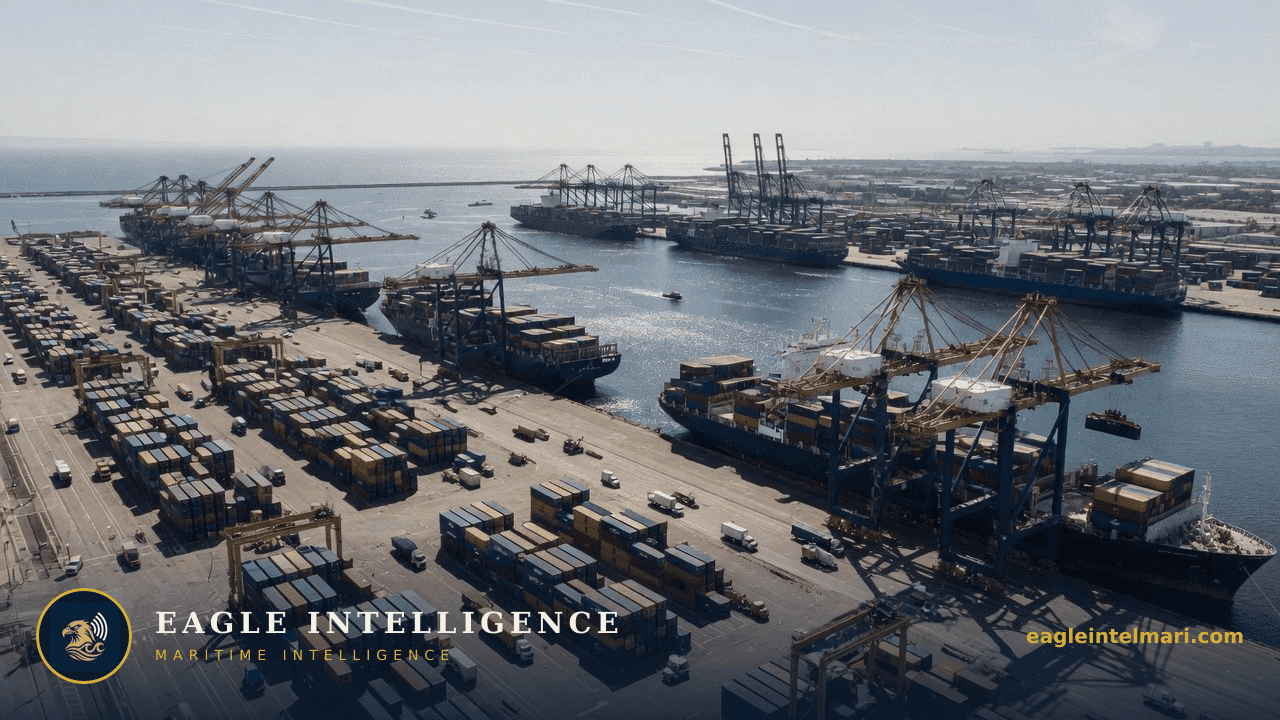
US West Coast terminals are reporting earlier-than-usual cargo surges, compressing gate and yard capacity. Long Beach and Los Angeles have activated contingency berthing windows, yet trucking availability remains the tighter constraint. On the Asian side, exporters are accelerating cargo to terminals to meet vessel cut-offs, raising the chance of weekend gate queues at Ningbo and Shanghai.
Crewing agencies rotating officers through Singapore and Hong Kong are fielding more requests for short-notice sign-ons to cover the faster box-ship turnarounds. Tanker crews, by contrast, are seeing longer notice periods as fixtures slow.
The next clear signal will come from any formal US tariff announcement or extension of the current pause; either outcome will dictate whether container demand stays front-loaded through July. On the tanker side, sustained Hormuz transits above the recent average would likely keep rates under pressure unless OPEC+ output decisions add fresh cargo.
Owners and charterers alike are monitoring the weekly Hormuz count published by regional tracking services. A drop below the post-ceasefire level would quickly reprice war-risk premiums and prompt some operators to re-evaluate routing options.
Advertisement
Advertisement
Live Hormuz transit status and war-risk band.
⚠️ Intelligence Disclaimer: This analysis is produced by Eagle Intelligence's AI-assisted automated analysis system and is provided for informational purposes only. See our editorial standards. It is not a substitute for official maritime safety advisories from UKMTO, MSCHOA, IMO, or flag state authorities. Operational decisions should always be based on official guidance and professional judgment. Eagle Intelligence accepts no liability for any loss arising from reliance on this content.
Live chokepoint status, war-risk shifts, and the daily maritime wire, straight to your inbox. Free.
Leave a comment
All comments moderated for quality
