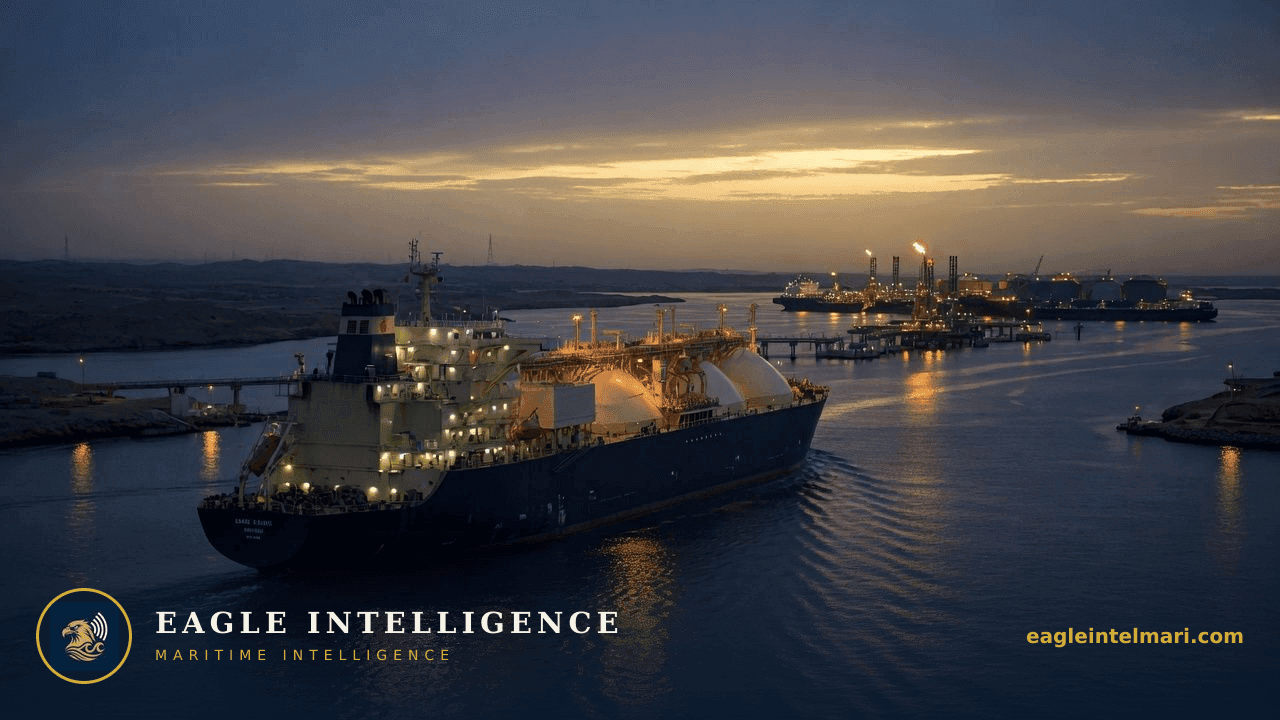
Umm Al Ashtan has resumed AIS transmission after loading at Das Island, adding to a visible uptick in UAE LNG transits through the Strait of Hormuz at a moment when regional risk calculations are shifting.
Advertisement
Advertisement
Another ADNOC-linked LNG carrier has completed the transit of the Strait of Hormuz and is now broadcasting its arrival at an Indian receiving terminal, underscoring how UAE exports are quietly regaining momentum through the world’s most sensitive energy chokepoint.
Umm Al Ashtan went dark shortly after departing Das Island and only reappeared once safely beyond the strait. This pattern has become standard for vessels carrying UAE cargoes when Iranian naval activity or shadow-fleet movements raise the risk of misidentification. AIS suppression reduces the chance of being tracked by hostile actors but forces charterers and insurers to rely on satellite imagery and Kpler-derived estimates until the vessel surfaces again.
The tanker is now signalling an Indian port call with a full cargo. Indian buyers have stepped up short-term purchases this spring as domestic production lags and summer power demand rises. The arrival of Umm Al Ashtan adds to a string of similar cargoes that have cleared the strait in recent days, suggesting that ADNOC is meeting a surge in Indian enquiries rather than simply testing the route.
The visible increase in Hormuz crossings is already pushing LNG spot freight rates higher on the Middle East–India leg. Hull and machinery underwriters are quoting additional premiums for Hormuz transits that exceed those applied only six weeks ago. P&I clubs have not yet issued formal circulars, but several have privately advised members to maintain enhanced reporting protocols and to avoid anchoring inside Iranian territorial waters while awaiting berth.
The UAE-flagged or UAE-managed nature of these vessels limits immediate exposure to Iranian sanctions lists, yet any escalation could trigger secondary sanctions questions for Indian terminals that accept the cargoes. Indian port authorities have so far shown no inclination to restrict Hormuz-origin LNG, but a single Iranian interdiction or mine-laying incident would force rapid reassessment by both Mumbai and New Delhi.
If Iranian rhetoric stays at current levels and no new incidents occur, crossings should remain elevated through July, supporting a modest rally in Middle East spot LNG prices. A single tanker seizure or mine strike would immediately halve voluntary transits and send war-risk premiums above $200,000 per transit within days. A negotiated de-escalation between Washington and Tehran, however unlikely, would see even ADNOC-linked vessels resume normal AIS use and pull freight rates back toward spring averages.
Seafarers on these repeat-run vessels are already logging elevated stress levels after multiple dark transits in quick succession. Manning agents report increased requests for hazard pay and shorter rotation cycles. Any sustained uptick in Hormuz traffic will therefore translate directly into higher crew costs and potential delays when experienced officers decline further assignments on the route.
Advertisement
Advertisement
Live Hormuz transit status and war-risk band.
Live 1–5 shipping war-risk level across monitored chokepoints.
⚠️ Intelligence Disclaimer: This analysis is produced by Eagle Intelligence's AI-assisted automated analysis system and is provided for informational purposes only. See our editorial standards. It is not a substitute for official maritime safety advisories from UKMTO, MSCHOA, IMO, or flag state authorities. Operational decisions should always be based on official guidance and professional judgment. Eagle Intelligence accepts no liability for any loss arising from reliance on this content.
Live chokepoint status, war-risk shifts, and the daily maritime wire, straight to your inbox. Free.
Leave a comment
All comments moderated for quality
