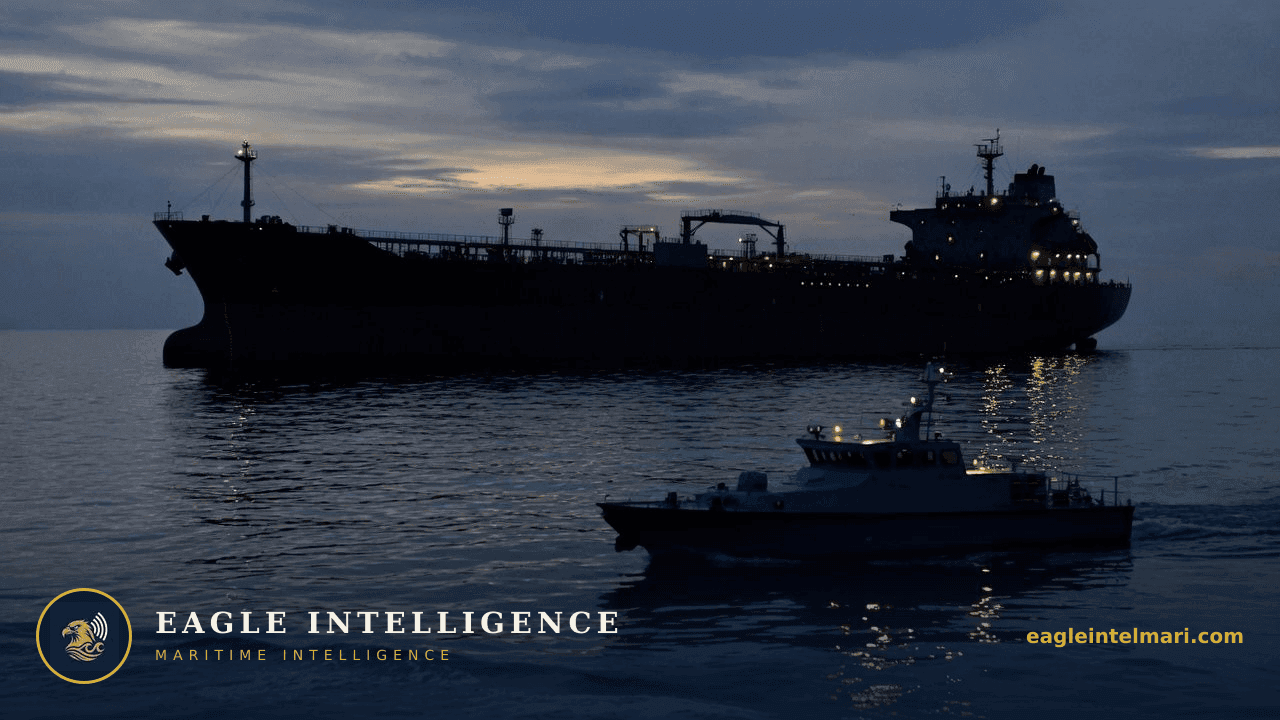
P&I clubs and owners with Russian-linked tonnage must now weigh immediate seizure risk in European waters after France detained another shadow fleet tanker on 25 June.
Advertisement
Advertisement
P&I clubs and owners with Russian-linked tonnage must now weigh immediate seizure risk in European waters after France detained another shadow fleet tanker on 25 June.
French naval forces executed the boarding and seizure in what authorities described as continued pressure on vessels evading the G7 price cap and related restrictions. The action follows a pattern of stepped-up interdictions this year, shifting from monitoring to physical detention. For any vessel that has used ship-to-ship transfers or flag-hopping within the past six months, the precedent is now explicit: European navies are prepared to hold the asset rather than merely issue warnings.
Hull and P&I underwriters have already begun adjusting terms for tankers that have called Russian ports or participated in STS operations with unknown counterparts. Expect deductibles to rise sharply for any cover that includes Mediterranean or Atlantic approaches to Europe. A single prolonged detention can generate daily running costs exceeding $25,000 even before legal fees accrue, a figure that quickly alters the economics of a voyage that previously cleared the cap by only a few dollars per barrel.
Traders who had relied on shorter Mediterranean discharge options must now model the full Cape route cost differential. An extra 12–15 days at sea for a 300,000 dwt VLCC adds roughly 40 percent to fuel burn and pushes laycan windows out of alignment with refinery schedules. Charterers holding contracts with delivery windows inside 30 days are already exploring alternative discharge terminals in India and China to avoid the enforcement zone entirely.
Several open registries have quietly begun reviewing vessels that appear on European sanctions watch lists. The threat of secondary sanctions against the flag itself has prompted at least two administrations to demand additional ownership transparency documents within the next 30 days. Owners still flying these flags face the binary choice of re-flagging at higher cost or accepting sharply reduced trading options.
Crew rotation plans for vessels that have operated in the shadow fleet are being rewritten. Officers and ratings now face the realistic prospect of being held with the ship for weeks or months while authorities investigate documentation. Manning agencies are already inserting clauses that allow refusal of assignments on tankers with recent Russian crude history, tightening an already constrained seafarer pool.
Monitor whether the detained vessel is released after documentation review or moved into formal legal proceedings; either outcome will set the operational threshold for the remainder of the summer. Follow developments on this front to stay ahead of enforcement shifts.
Advertisement
Advertisement
⚠️ Intelligence Disclaimer: This analysis is produced by Eagle Intelligence's AI-assisted automated analysis system and is provided for informational purposes only. See our editorial standards. It is not a substitute for official maritime safety advisories from UKMTO, MSCHOA, IMO, or flag state authorities. Operational decisions should always be based on official guidance and professional judgment. Eagle Intelligence accepts no liability for any loss arising from reliance on this content.
Live chokepoint status, war-risk shifts, and the daily maritime wire, straight to your inbox. Free.
Leave a comment
All comments moderated for quality
