Vladimir Putin’s approval for TotalEnergies to sell its 10% stake in Arctic LNG 2 highlights how Western sanctions are strangling the project’s ability to move cargoes, pushing Russia toward shadow-fleet solutions with rising costs and risks for every maritime stakeholder.
Advertisement
Advertisement
Vladimir Putin’s approval for TotalEnergies to sell its 10% stake in Arctic LNG 2 highlights how Western sanctions are strangling the project’s ability to move cargoes, pushing Russia toward shadow-fleet solutions with rising costs and risks for every maritime stakeholder.
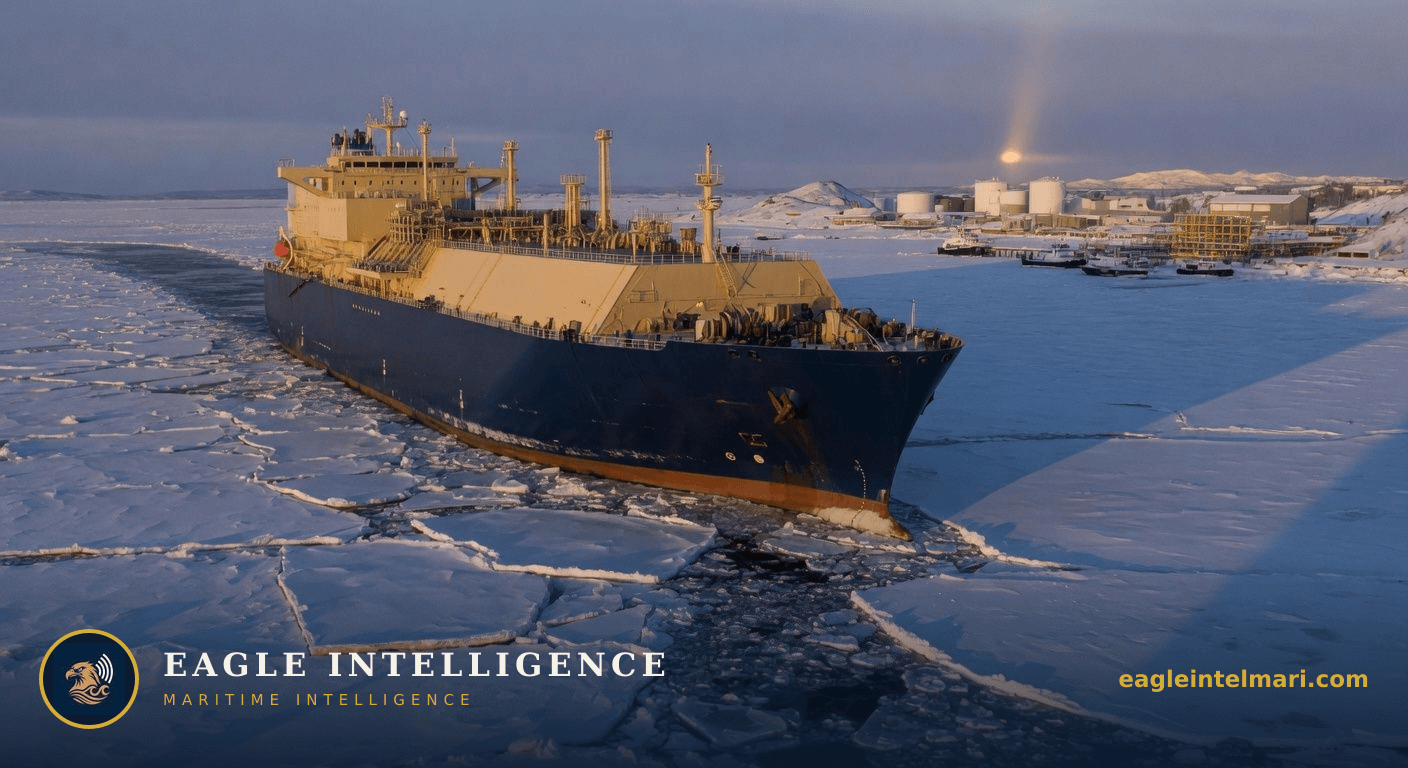
Arctic LNG 2 was designed around purpose-built ice-class carriers that could shuttle condensate and LNG year-round from the Gydan Peninsula. Sanctions have blocked most of those vessels from Western yards, classification societies and insurance. Russian operators are now chartering older, lower-ice-class tonnage or converting conventional LNG carriers, increasing transit times through the Northern Sea Route and raising the probability of ice damage or winter delays.
P&I clubs and hull underwriters have already withdrawn cover for most Russian-linked energy voyages. Any replacement capacity is likely to come from non-Western markets at premiums several times higher than pre-2022 levels. Charterers who accept such cover face potential gaps if a claim arises in international waters, while owners risk their vessels being named in secondary-sanctions lists.
European and Asian buyers who once competed for Yamal and Arctic LNG 2 spot cargoes now confront a bifurcated market. Cargoes lifted by shadow vessels attract steep discounts but require buyers to accept complex payment mechanisms and uncertain delivery windows. Traditional time-charter rates for ice-class tonnage have risen sharply as available supply shrinks, squeezing margins for traders who still move Russian molecules.
Several flag registries have begun delisting vessels suspected of sanctions evasion, while European and Canadian ports are tightening inspection regimes for any ship that has called at Arctic LNG 2 terminals. This creates operational friction for owners who may find themselves forced to choose between Russian trade and access to Western repair yards or bunkering hubs.
First, if secondary sanctions remain targeted and Russia secures enough non-Western tonnage and cover, the project could limp to 60–70% capacity by late 2027. Second, a broader clampdown on shadow-fleet insurers or classification societies would force further delays and possible mothballing of one or more trains. Third, an unexpected easing of energy sanctions—triggered by a wider geopolitical bargain—could reopen Western financing and shipping channels, restoring the original economics within months. Each path hinges on enforcement intensity and the availability of alternative maritime infrastructure.
Advertisement
Advertisement
⚠️ Intelligence Disclaimer: This analysis is produced by Eagle Intelligence's AI-assisted automated analysis system and is provided for informational purposes only. See our editorial standards. It is not a substitute for official maritime safety advisories from UKMTO, MSCHOA, IMO, or flag state authorities. Operational decisions should always be based on official guidance and professional judgment. Eagle Intelligence accepts no liability for any loss arising from reliance on this content.
Live chokepoint status, war-risk shifts, and the daily maritime wire, straight to your inbox. Free.
Leave a comment
All comments moderated for quality
