US military strikes on Iran after attacks on commercial vessels in the Strait of Hormuz have not yet closed the southern transit lane, yet traffic has fallen sharply and tanker ton-mile demand is rising; the central question is how long operators will accept the accumulating risk before rerouting becomes the norm.
Advertisement
Advertisement
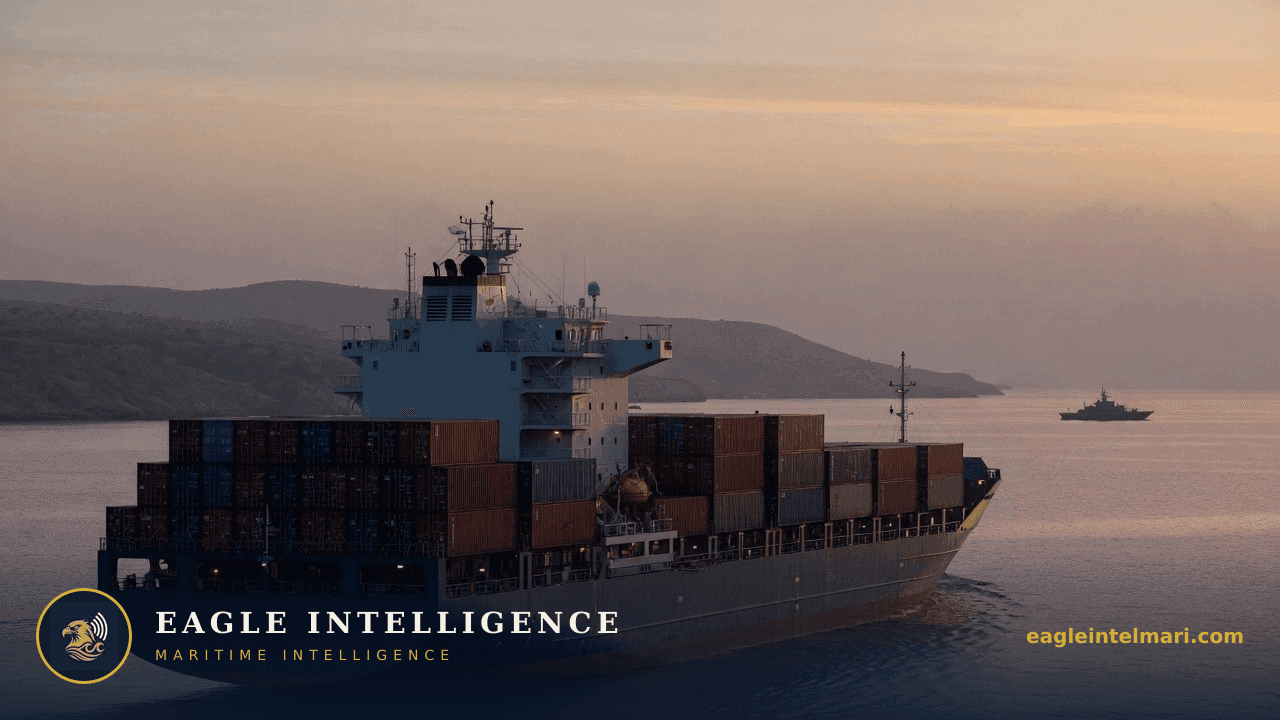
The third round of US strikes on Iran, triggered by direct attacks on a Cyprus-flagged containership and other tankers, carries immediate consequences for every energy and container movement that must pass between Iran and Oman. Other incidents, including Russian-Ukrainian exchanges on grain ports, remain secondary because they do not threaten the same volume of global oil and product flows.
US Central Command conducted a third round of strikes on Iranian targets on 11 July after an attack on a containership in the Strait. Iran responded by declaring the waterway closed “until further notice.” A separate attack on the vessel GFS Galaxy off Oman left one Indian national missing. The southern route through the Strait remained physically open on 12 July according to maritime tracking data cited by multiple sources.
Vessel traffic through Hormuz has dropped to subdued levels. Masters and operators now face the choice of accepting elevated war-risk premiums and potential missile or drone exposure or diverting around Africa at added cost and time. The southern lane’s continued functionality does not remove the risk of sudden closure or further strikes on commercial hulls.
US officials have demanded that Iran publicly affirm the Strait is open and cease firing on commercial ships, conveying the message via regional mediators. Iran’s declaration of closure and its accusation that the US violated an earlier MoU create conflicting legal signals for flag states, insurers and charterers. No coastal-state enforcement action has yet materialised beyond the declaration itself.
Tanker brokers report the prospect of another extended closure driving replacement barrels from the US Gulf and increasing ton-mile demand. Container rates from Asia to the US have already firmed while tanker rates remain steady to softer, reflecting the still-open southern lane. A sustained drop in transits would tighten VLCC and Suezmax availability faster than most other routes.
We know US strikes occurred in response to attacks on at least three commercial vessels, that Iran declared closure, and that the southern route stayed open through 12 July. We do not know the exact number of vessels that have cancelled Hormuz transits since the latest strikes or whether Iran intends kinetic enforcement of its declaration. Our assessment is that the route remains viable for the next several days at sharply higher cost and risk, with medium confidence that operators will tolerate the exposure beyond seven days without further attacks.
Shipowners with vessels already committed face higher war-risk premiums and potential crew refusal. Charterers of tankers may accelerate fixtures from alternative loading points. P&I clubs and hull underwriters will likely tighten Hormuz clauses or raise deductibles. Energy traders must price the probability of a 1.9-million-barrel daily supply shock if the southern lane is physically interdicted. Manning agencies report rising queries from Indian and Filipino seafarers regarding Hormuz voyages.
The strongest alternative scenario holds that both sides still seek to avoid full closure and will restore a fragile ceasefire within days, as occurred after the earlier MoU. Evidence supporting this view includes the continued operation of the southern route and the absence of Iranian mining or missile launches against additional commercial targets since the declaration. Confirmation would require visible Iranian statements accepting US demands and a measurable rebound in daily transits.
Next 24 hours: any Iranian kinetic action against a commercial vessel or explicit US statement on escort operations. Next seven days: daily Hormuz transit count falling below 50 % of the pre-strike average or war-risk premiums exceeding 1 % of hull value. Next thirty days: sustained rerouting of more than 20 VLCCs around the Cape or formal Iranian mining of the southern channel.
Advertisement
Advertisement
Indicative Additional War Risk Premium (AWRP) ranges — not a binding insurance quote.
Live Hormuz transit status and war-risk band.
Live 1–5 shipping war-risk level across monitored chokepoints.
⚠️ Intelligence Disclaimer: This analysis is produced by Eagle Intelligence's AI-assisted automated analysis system and is provided for informational purposes only. See our editorial standards. It is not a substitute for official maritime safety advisories from UKMTO, MSCHOA, IMO, or flag state authorities. Operational decisions should always be based on official guidance and professional judgment. Eagle Intelligence accepts no liability for any loss arising from reliance on this content.
Live chokepoint status, war-risk shifts, and the daily maritime wire, straight to your inbox. Free.
Leave a comment
All comments moderated for quality
