The dominant development is the rapid escalation around the Strait of Hormuz, where attacks on three commercial tankers prompted immediate US military strikes and the revocation of Iran’s oil-sales waiver. Secondary items include Super Typhoon Bavi threatening Chinese ports and the Panama Canal easing Neopanamax draft limits, yet these remain overshadowed by Hormuz-driven war-risk and routing decisions.
Advertisement
Advertisement
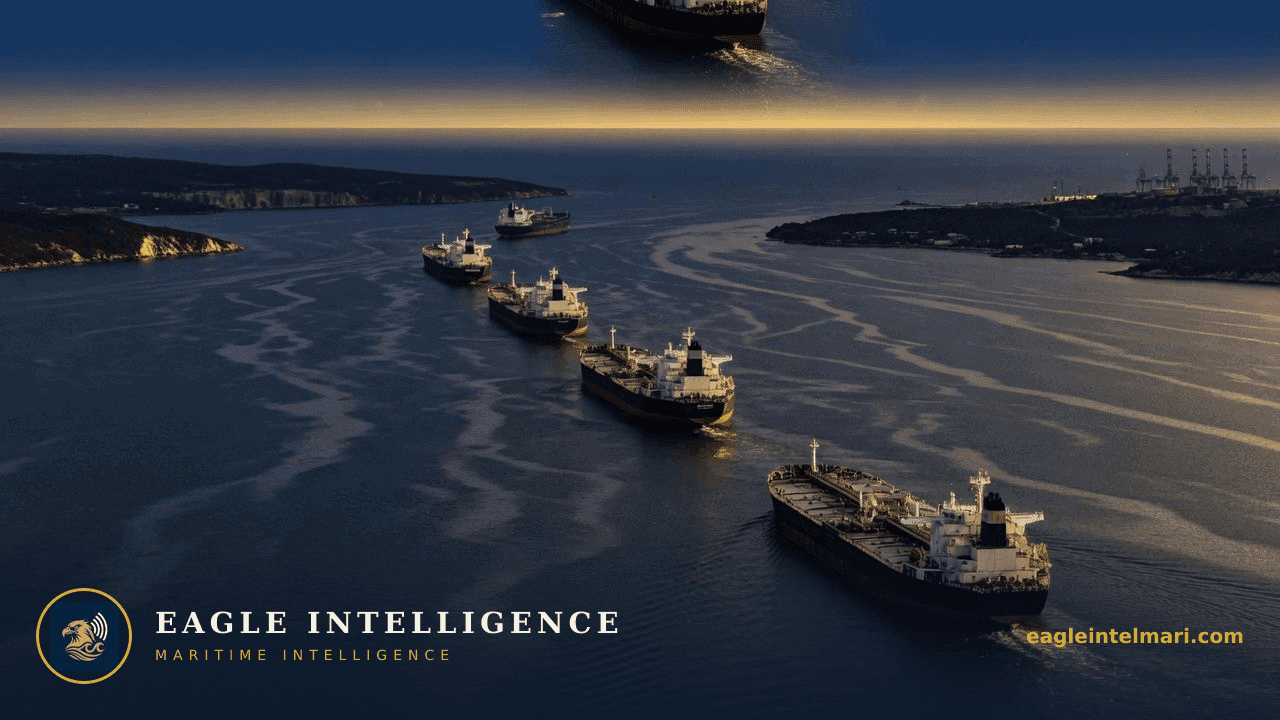
US strikes Iran and revokes its oil-export waiver after three tankers struck in the Strait of Hormuz
The dominant development is the rapid escalation around the Strait of Hormuz, where attacks on three commercial tankers prompted immediate US military strikes and the revocation of Iran’s oil-sales waiver. Secondary items include Super Typhoon Bavi threatening Chinese ports and the Panama Canal easing Neopanamax draft limits, yet these remain overshadowed by Hormuz-driven war-risk and routing decisions.

Three tankers were struck near the Strait of Hormuz; the US launched fresh strikes on Iran, revoked its oil-export waiver, and suspended a SAR effort after a helicopter crash in the Arabian Sea.
Why it matters: Immediate war-risk premiums rose and owners began re-routing decisions.
The multi-stakeholder read: Flag and coastal states face heightened military presence; shipowners and operators confront sudden insurance and routing costs.
Assessment (medium confidence): Further Iranian retaliation or additional US strikes remain possible while traffic funnelling attempts continue.
Oil prices jumped 5 percent following the waiver revocation and Hormuz attacks.
Why it matters: Higher prices directly affect bunker costs and charter economics.
The multi-stakeholder read: Traders and charterers see margin pressure; insurers face larger cargo-value exposures.
Assessment (high confidence): Price volatility will persist until clarity emerges on sustained export volumes from Iran.
Super Typhoon Bavi threatens China ports and Pacific vessel supply; the Panama Canal will lower Neopanamax maximum draft restrictions as El Niño develops.
Why it matters: These developments add independent constraints on global tonnage availability.
The multi-stakeholder read: Ports and operators in East Asia and the Americas must adjust schedules independently of Hormuz events.
Assessment (medium confidence): Bavi’s impact on schedules is likely short-term; draft changes may ease some transits but not offset Hormuz-driven re-routing.
The Hormuz crisis raises war-risk and insurance costs across the Indian Ocean and Gulf while Typhoon Bavi and Panama Canal adjustments create separate tonnage and scheduling pressures; owners must weigh simultaneous military, weather and regulatory risks rather than a single dominant threat.

This is an Eagle Intelligence daily synthesis, drawn from the day's reporting and wire signals. Items marked "Assessment" are analytical judgments, not statements of fact.
Advertisement
Advertisement
Live Hormuz transit status and war-risk band.
Live 1–5 shipping war-risk level across monitored chokepoints.
⚠️ Intelligence Disclaimer: This analysis is produced by Eagle Intelligence's AI-assisted automated analysis system and is provided for informational purposes only. See our editorial standards. It is not a substitute for official maritime safety advisories from UKMTO, MSCHOA, IMO, or flag state authorities. Operational decisions should always be based on official guidance and professional judgment. Eagle Intelligence accepts no liability for any loss arising from reliance on this content.
Live chokepoint status, war-risk shifts, and the daily maritime wire, straight to your inbox. Free.
Leave a comment
All comments moderated for quality
