BREAKINGChina-linked hackers step up attacks on European shipping
← Eagle Intelligence News
IntelligenceHIGH ALERT

Daily Brief: Hormuz Attacks Persist as CENTCOM Reports Six-Month-High Volumes — Sep 20

Eagle Intelligence·Eagle Intelligence Analysis·September 20, 2026 · 16:56 UTC·4 min read
Why This Matters

Three tanker attacks and an oil spill in the Strait of Hormuz over the past 24 hours have kept routing and crew-risk questions live, even as CENTCOM states that 1 billion barrels moved through the strait in the last six months. Iranian statements asserting control and US military reaffirmations of joint patrols have not yet produced measurable rerouting or premium spikes in the supplied reporting. Italy’s decision to escort a container ship in the Red Sea adds a second chokepoint response layer. The central operational decision now facing owners and charterers is whether to accept elevated war-risk exposure or absorb longer-haul costs while volumes remain high.

Daily Brief: Hormuz Attacks Persist as CENTCOM Reports Six-Month-High Volumes — Sep 20

Advertisement

The Five Minutes That Matter

Three tanker attacks and an oil spill in the Strait of Hormuz over the past 24 hours have kept routing and crew-risk questions live, even as CENTCOM states that 1 billion barrels moved through the strait in the last six months. Iranian statements asserting control and US military reaffirmations of joint patrols have not yet produced measurable rerouting or premium spikes in the supplied reporting. Italy’s decision to escort a container ship in the Red Sea adds a second chokepoint response layer. The central operational decision now facing owners and charterers is whether to accept elevated war-risk exposure or absorb longer-haul costs while volumes remain high.

Eagle Signals

#1 Hormuz tanker strikes and Iranian control claims — 92/100

Three reported attacks on tankers plus an oil spill into the Persian Gulf; Iran asserts control while CENTCOM records six-month-high traffic.

Why it matters: Direct threat to crew safety and hulls in the world’s busiest oil transit route, with potential for sustained war-risk premium elevation if incidents continue.

Who is exposed: VLCC and product tanker owners transiting Hormuz, hull insurers, and charterers of Saudi and Gulf crude.

#2 Italy begins Red Sea escorts amid Houthi pressure — 78/100

Italian defence minister orders warship protection for container ships after Houthis tighten grip on Bab el-Mandeb.

Why it matters: Extends state naval presence into a second critical chokepoint, raising the bar for commercial risk acceptance and possible convoy coordination.

Who is exposed: Container and bulk operators on Europe–Asia routes, Red Sea insurers, and ports reliant on Suez transits.

#3 Cyber incidents force LNG tanker turnaround — 71/100

US-cargo LNG tanker aborted Mediterranean transit after crew reported suspected cyberattack; additional tanker failures under cyber suspicion noted.

Why it matters: Demonstrates non-kinetic disruption capability that can halt high-value cargoes without physical damage or territorial claims.

Who is exposed: LNG operators, energy charterers, and owners reliant on satellite navigation and cargo-management systems.
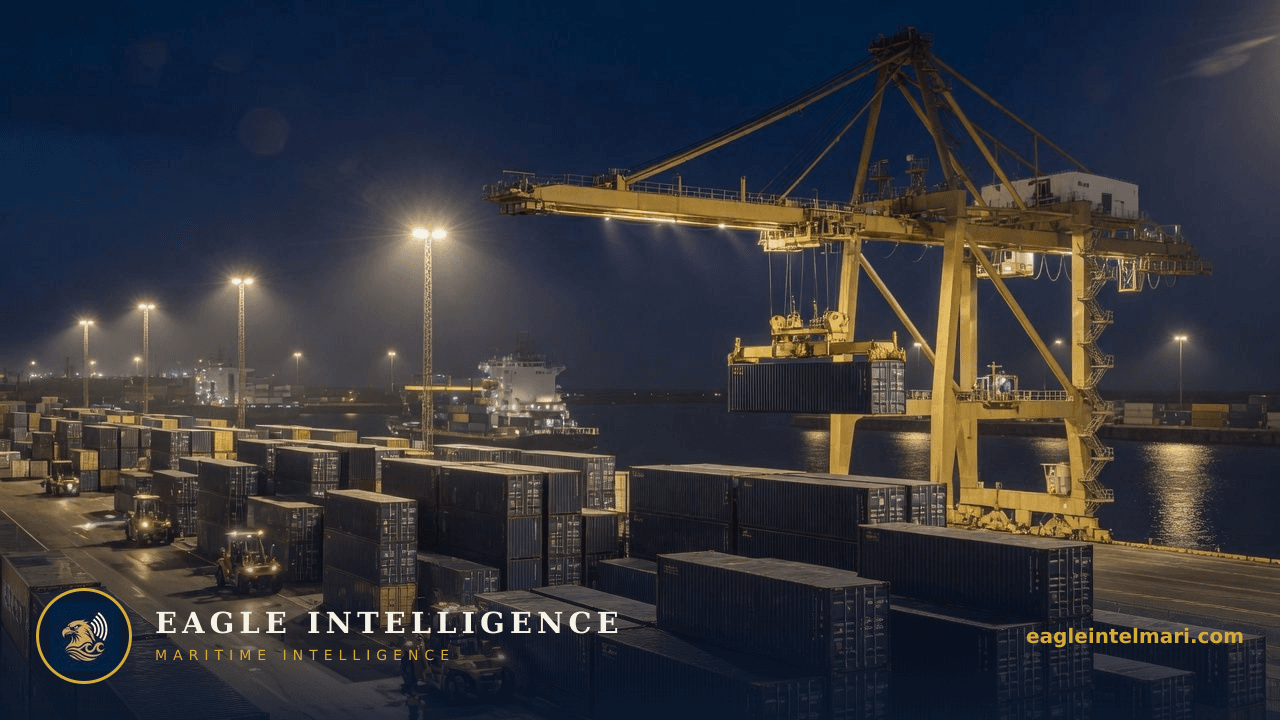
Eagle Intelligence daily signals

Confidence Board

  • 55% — Sustained Hormuz volumes will continue without immediate premium surge: CENTCOM volume data is consistent across multiple outlets, yet three attacks in 24 hours create direct counter-pressure not yet reflected in rate reporting.
  • 65% — Crew willingness to transit Hormuz will decline within 30 days if attacks continue at current pace: Repeated strikes plus explicit Iranian assertions raise personal-risk threshold; historical precedent from 2019–2020 incidents supports measurable crew pushback.

What Everyone Is Missing

Repeated Hormuz incidents may accelerate quiet chartering of older, lower-value tonnage for Gulf loadings, shifting the active fleet mix toward vessels owners are willing to risk rather than premium spikes alone.
Winners, Losers and the Exposed

  • Hull and war-risk insurers — under pressure: Multiple attacks plus expanded Black Sea high-risk zone increase claim frequency and exposure.
  • Red Sea container operators — most exposed: Italy’s escort move signals official recognition that commercial transits now require state protection.

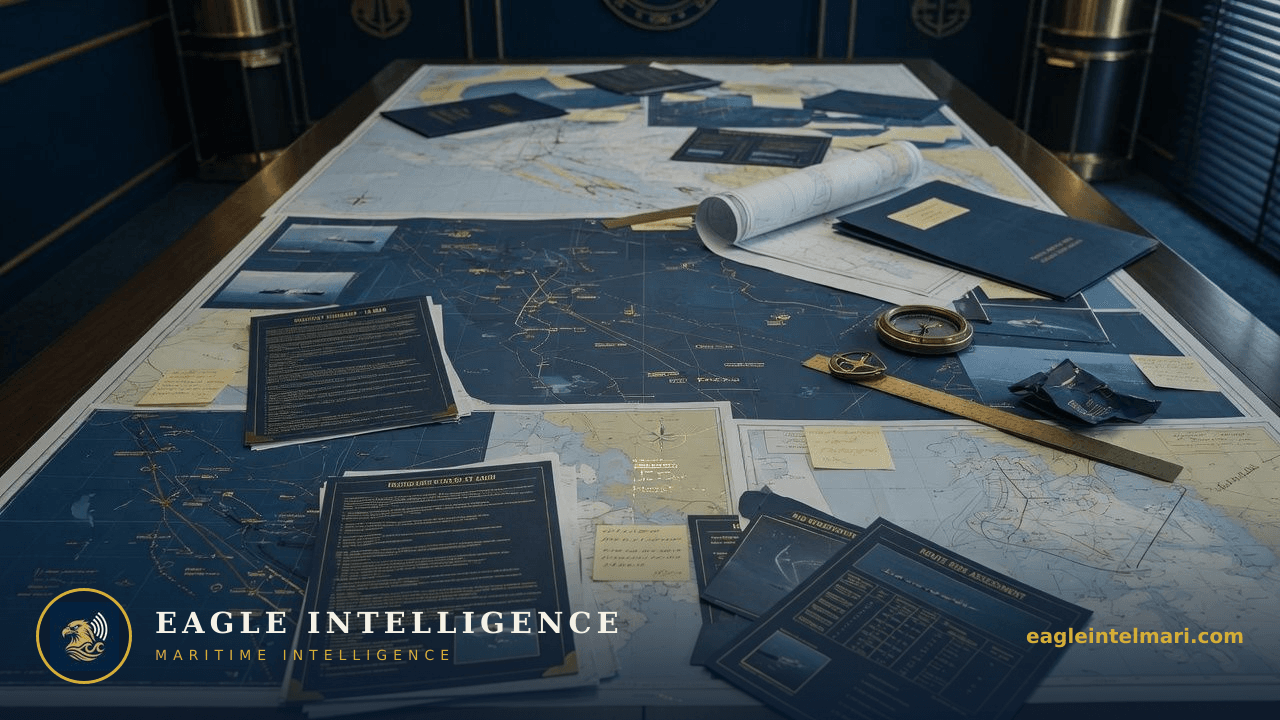
Eagle Intelligence maritime watch

If I Were

  • owners operators: Review crew contracts for Hormuz and Red Sea refusal clauses and pre-position replacement tonnage for high-risk legs.
  • insurers pandi: Issue updated guidance on Hormuz and Bab el-Mandeb declarations within 48 hours and tighten cyber-incident reporting requirements.
  • charterers traders: Lock in alternative routing options for next two cargoes while monitoring next 24-hour attack reports before committing to Hormuz fixtures.

Noise Filter

US claims record 1 billion barrels escorted through Hormuz Verdict: unconfirmed CENTCOM volume figures appear consistently across outlets but lack independent verification of escort numbers versus total traffic; Iranian control assertions directly contradict the implied security narrative.

The One Thing to Watch

Next reported tanker incident or oil-spill confirmation inside the Strait of Hormuz within the next 24 hours.

Question of the Day

If Hormuz traffic volumes remain elevated while attacks continue, at what point do charterers begin systematically shifting cargoes to older or lower-value tonnage rather than paying higher war-risk premiums?


The Daily Eagle Brief separates reported fact from Eagle assessment. Confidence percentages express editorial confidence based on the available sourcing, not mathematical certainty.

Advertisement

Related Eagle hubs

⚠️ Intelligence Disclaimer: This analysis is produced by Eagle Intelligence's AI-assisted automated analysis system and is provided for informational purposes only. See our editorial standards. It is not a substitute for official maritime safety advisories from UKMTO, MSCHOA, IMO, or flag state authorities. Operational decisions should always be based on official guidance and professional judgment. Eagle Intelligence accepts no liability for any loss arising from reliance on this content.

Get Eagle maritime risk alerts by email

Live chokepoint status, war-risk shifts, and the daily maritime wire, straight to your inbox. Free.

📰 Related Analysis

Intel

Daily Brief: Hormuz Tanker Attacks Escalate as Diesel Hits Records and Crews Face… — Sep 22

Two additional tankers were struck by unknown projectiles in the Strait of Hormuz in the last 24 hours, injuring at least two crew members and adding to a mounting pattern of attacks. The incidents coincide with wars already curtailing exports from Russia, Saudi Arabia and the UAE, pushing diesel prices to record levels and lifting tanker rates. US forces have redirected 109 commercial vessels to enforce a naval blockade while shielding other traffic from Iranian missiles. Owners, operators and charterers must now decide whether to reroute, accept higher war-risk premiums or delay cargoes through the chokepoint. The immediate operational question is how many more transits will proceed before crew refusal or insurance withdrawal forces a broader pause.

Sep 22, 2026
Intel

Daily Brief: Hormuz tanker attacks resume as Iran downs US drone and warns of closure — Sep 21

Two additional tankers were struck in the Strait of Hormuz in the past 24 hours amid mounting attacks, while Iranian forces downed a US Orbiter reconnaissance drone. Saudi Aramco halted crude deliveries to European customers and the Yanbu pipeline incident continued to ripple through freight and gas markets. Oil flows through Hormuz reached a six-month high even as Iran stated the strait would remain closed for now. Owners, charterers and insurers must reassess routing, war-risk premiums and crew safety protocols with immediate effect. The central decision now is whether to maintain transits or divert cargoes before the next reported incident.

Sep 21, 2026
Intel

Daily Brief: Hormuz Attacks Surge as LNG Tanker Reports Suspected Cyber Failure — Sep 19

Multiple tanker attacks in the Strait of Hormuz over the past 48 hours have forced rerouting decisions and insurance adjustments, while a separate US-Europe LNG carrier suffered a crew-reported systems failure attributed to cyber intrusion. Iran has used one incident to assert control over the strait, coinciding with Trump statements on regime options and European naval moves in the Red Sea. Owners and charterers now face simultaneous physical and digital exposure across three chokepoints, with Black Sea drone strikes adding further crew and hull risk. The combination elevates the urgency of route and systems reviews rather than isolated incident response.

Sep 19, 2026
Intel

Daily Brief: US Sanctions BitBank Crypto Exchange as Hormuz Attacks Kill 20 Seafarers — Sep 18

US Treasury sanctions on BitBank target crypto payments for Hormuz transits, exposing charterers, banks and crews to secondary sanctions while IRGC strikes continue. Eighty attacks in the strait since the conflict began have killed 20 seafarers and injured others, with a US-contracted vessel hit by four drones and a missile near the chokepoint. Container rates face upward pressure from fuel spikes, yet the scale of shadow-fleet involvement remains unquantified. Panama Canal transits have already fallen 22 percent under separate slot competition. Operators must now reassess compliance channels and routing decisions within the next 24 hours.

Sep 18, 2026

Comments & Corrections

0Spot an error? Flag it below ↓

Leave a comment

All comments moderated for quality

Be the first to comment on this story
Corrections policy: Flag inaccuracies using the ⚠️ Correction type. Eagle Intelligence will review flagged corrections. Verified corrections result in an article update with a notice appended. Comments are stored locally in your browser and are not shared with other readers.