The day's reporting is dominated by renewed attacks on shipping in the Strait of Hormuz after the ceasefire ended, accompanied by new US sanctions and Iranian statements admitting error while seeking continued talks. Multiple sources confirm that non-Iranian tonnage still handled 70 percent of June transits, yet southern-route usage has fallen sharply. Secondary items on port upgrades, crew abandonment cases and exercises in other regions remain disconnected from the Hormuz developments.
Advertisement
Advertisement
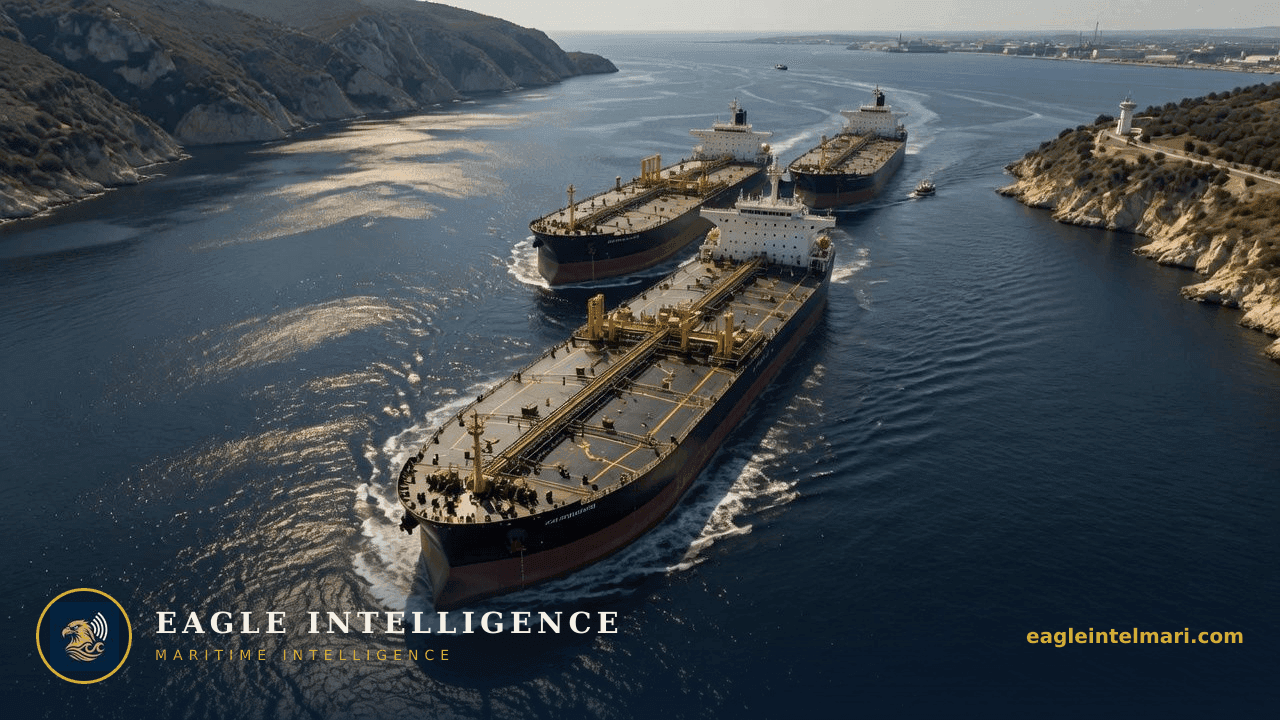
US-Iran clashes collapse Hormuz ceasefire, reopen war-risk pricing and force southern tanker reroutes.
The day's reporting is dominated by renewed attacks on shipping in the Strait of Hormuz after the ceasefire ended, accompanied by new US sanctions and Iranian statements admitting error while seeking continued talks. Multiple sources confirm that non-Iranian tonnage still handled 70 percent of June transits, yet southern-route usage has fallen sharply. Secondary items on port upgrades, crew abandonment cases and exercises in other regions remain disconnected from the Hormuz developments.

US State Department imposed fresh Iran sanctions after attacks; Trump declared the ceasefire over while stating the US agreed to continue talks; Iran described the attacks as errant and admitted mistake.
Why it matters: Reopens war-risk pricing and directly affects Hormuz transits, the world's most critical chokepoint for crude.
The multi-stakeholder read: Flag states and operators see renewed sanctions as increasing compliance burden; Iran frames the incidents as unintentional and seeks de-escalation via talks.
Assessment (high confidence): Sanctions and public demands for Iranian commitments are likely to persist while clashes continue.
INTERTANKO reports southern-route transits fell to single digits after renewed fighting; Hormuz traffic shows a bump despite attacks, with non-Iranian tonnage at 70 percent of June volume.
Why it matters: Demonstrates operators' preference for longer but lower-risk routing when war-risk premiums rise.
The multi-stakeholder read: Owners and charterers weigh higher fuel and time costs against insurance savings; insurers face increased claims exposure on vessels still using the strait.
Assessment (high confidence): Southern-route share is expected to remain low until verifiable de-escalation occurs.
Three survivors of a Hormuz attack filed suit against a Thai shipping line; additional Thai sailors who survived sued for damages.
Why it matters: Highlights direct human and liability consequences of attacks on merchant vessels.
The multi-stakeholder read: Seafarers and unions seek compensation through courts; operators face potential reputational and financial exposure.
Assessment (medium confidence): Similar suits are probable if attacks continue.
While INTERTANKO data shows southern routing collapsing to single digits, other reports note a traffic bump in Hormuz itself, suggesting some operators continue to accept risk or lack immediate alternatives. Iranian statements admitting error coexist with US demands for public commitments, creating tension between diplomatic openings and sanctions escalation. These contradictions leave unclear whether the current level of attacks will be sustained or quickly contained.

This is an Eagle Intelligence daily synthesis, drawn from the day's reporting and wire signals. Items marked "Assessment" are analytical judgments, not statements of fact.
Advertisement
Advertisement
Live Hormuz transit status and war-risk band.
Live 1–5 shipping war-risk level across monitored chokepoints.
⚠️ Intelligence Disclaimer: This analysis is produced by Eagle Intelligence's AI-assisted automated analysis system and is provided for informational purposes only. See our editorial standards. It is not a substitute for official maritime safety advisories from UKMTO, MSCHOA, IMO, or flag state authorities. Operational decisions should always be based on official guidance and professional judgment. Eagle Intelligence accepts no liability for any loss arising from reliance on this content.
Live chokepoint status, war-risk shifts, and the daily maritime wire, straight to your inbox. Free.
Leave a comment
All comments moderated for quality
