Shipowners and charterers routing US-Mexico freight now face concrete decisions on domestic feeder services and Gulf port calls as Echo launches Mexico trucking and DP World advances Corpus Christi terminal talks.
Advertisement
Advertisement
Charterers moving automotive and consumer goods between the US and Mexico must decide within the next quarter whether to lock in new domestic legs with Echo or wait for Corpus Christi capacity to come online.
Echo's decision to add domestic transportation inside Mexico directly targets the surge in nearshoring traffic. Operators previously relied on cross-border drayage only; now they can hand cargo to Echo trucks for inland delivery without switching providers. This cuts dwell time at the border and reduces exposure to variable Mexican haulage rates that have risen sharply since 2024.
For owners with boxships on the US Gulf, the move signals steady demand for feeder calls at Mexican ports such as Altamira and Veracruz rather than pure land-bridge reliance.
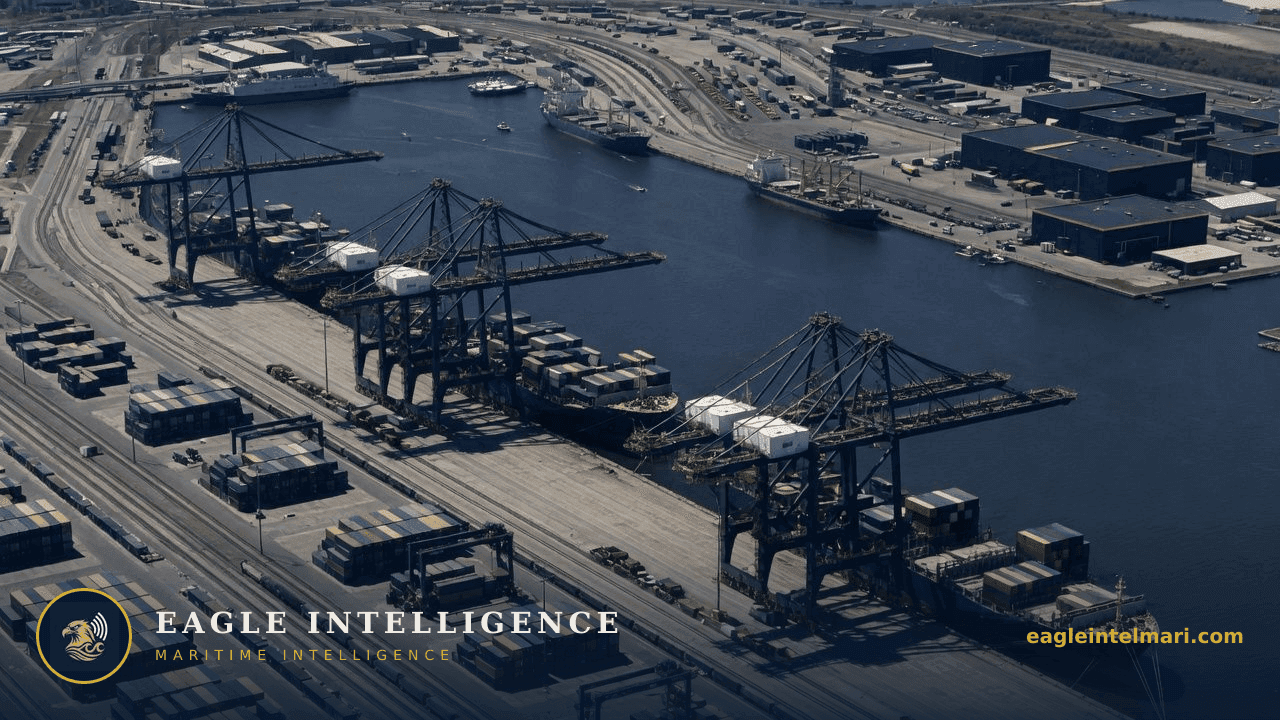
DP World is negotiating development rights for a container terminal at Port of Corpus Christi. The site sits closer to many Mexican industrial clusters than Houston or New Orleans, potentially shaving one to two days off round-trip times for vessels serving the western Gulf. Current drafts and berth lengths already accommodate larger feeder tonnage; a dedicated terminal would allow consistent 4,000-TEU calls without competing for space against energy exports.
Hull insurers have noted rising lay-up risk at Houston terminals during peak grain and crude seasons; a Corpus option diversifies that exposure.
A Chinese supplier's $42 million investment in Saltillo adds precision to the nearshoring narrative. Saltillo sits on the main rail corridor to Laredo and offers direct highway access to Monterrey. The plant will produce components for North American assembly lines, generating regular southbound containerized returns and northbound finished-goods movements. Charterers handling automotive supply chains can now model predictable volumes rather than speculative spot surges.
P&I clubs writing Mexico cover will watch the new terminal and trucking services for changes in cargo loss patterns and crew shore leave. Ports with weaker security records have driven higher deductibles in recent years; Corpus Christi's established safety regime could keep premiums stable for vessels calling there. Manning agencies rotating crews through Gulf ports gain another reliable rotation point, reducing Lagos-style exposure that some owners currently avoid.
Freight forwarders quoting Mexico domestic legs already show 8-12 percent premiums over pure cross-border rates, reflecting equipment repositioning costs and fuel differentials. If DP World secures the Corpus terminal by early 2027, those spreads could compress as vessel operators compete for the shorter Gulf-Mexico feeder runs.
Track the next Corpus Christi port commission meeting for any signed term sheet with DP World; a positive vote would trigger immediate fixture interest from feeder operators.
Advertisement
Advertisement
⚠️ Intelligence Disclaimer: This analysis is produced by Eagle Intelligence's AI-assisted automated analysis system and is provided for informational purposes only. See our editorial standards. It is not a substitute for official maritime safety advisories from UKMTO, MSCHOA, IMO, or flag state authorities. Operational decisions should always be based on official guidance and professional judgment. Eagle Intelligence accepts no liability for any loss arising from reliance on this content.
Live chokepoint status, war-risk shifts, and the daily maritime wire, straight to your inbox. Free.
Leave a comment
All comments moderated for quality
