Energy traders and tanker charterers face immediate decisions on cargo timing as traffic through the Strait of Hormuz recovers and Brent crude futures drop 2 percent to $75.52.
Advertisement
Advertisement
Energy traders and tanker charterers must decide now whether to accelerate August loadings through the Strait of Hormuz or wait for further price softening after Brent futures slipped 2 percent to $75.52 on clear signs that traffic is returning to normal.
The August contract's retreat marks the third consecutive session lower, driven by the market pricing out worst-case supply fears rather than any sudden surge in global inventories. For traders holding paper positions, the move lowers the cost of hedging physical cargoes that will transit the Strait in the coming weeks. Charterers who delayed fixtures last week now see a narrower window to lock in rates before owners regain negotiating leverage once daily transits stabilize.
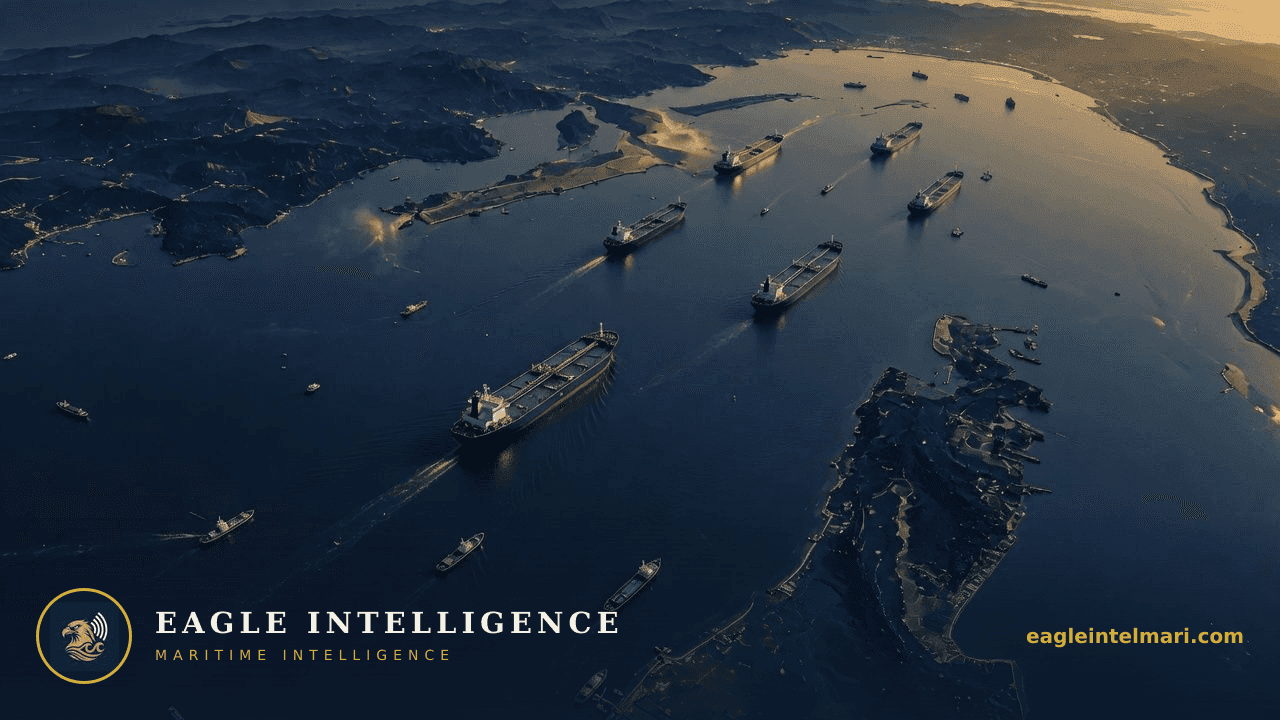
Gradual reopening means VLCCs and Suezmax tankers that had been holding west of the Strait are beginning to receive clearance windows again. The pace remains measured, with authorities prioritizing vessels already queued rather than opening floodgates that could create new congestion at anchorage. Owners with ships positioned just outside the chokepoint can now calculate more reliable arrival dates at Ras Tanura and other terminals, reducing the uncertainty that had pushed some fixtures into the spot market at elevated rates.
Owners who kept tonnage on standby in the Gulf now face the risk of prompt fixtures at softer rates as the premium for Hormuz risk evaporates. Charterers, by contrast, gain flexibility to nominate later laycans without paying war-risk surcharges that had crept into recent offers. The net effect favors those who can move quickly on physical cargoes while paper markets continue to discount further downside.
Hull and P&I underwriters are expected to review war-risk declarations for Hormuz transits within days, with initial indications pointing to modest reductions rather than wholesale withdrawals of coverage. For owners still carrying declared additional premiums from the prior tense period, renewal negotiations will likely reference the improved diplomatic tone between Washington and Tehran. Ports in the region will monitor these adjustments closely, as any lingering high premiums could steer marginal tonnage toward longer but cheaper routes around the Cape.
Lower outright crude prices combined with restored Hormuz access should ease feedstock costs for refiners in India, China and South Korea that rely on regular Gulf loadings. European buyers, however, may see slower relief because Atlantic-basin arbitrage remains sensitive to any residual delays at the Strait. The divergence creates a short-term advantage for Asian charterers who can secure tonnage before European demand re-enters the market.
Track daily reported transits published by regional authorities over the next ten days; a sustained return above pre-tension averages would confirm the recovery and likely trigger the next leg lower in prompt freight rates.
Advertisement
Advertisement
Live Hormuz transit status and war-risk band.
⚠️ Intelligence Disclaimer: This analysis is produced by Eagle Intelligence's AI-assisted automated analysis system and is provided for informational purposes only. See our editorial standards. It is not a substitute for official maritime safety advisories from UKMTO, MSCHOA, IMO, or flag state authorities. Operational decisions should always be based on official guidance and professional judgment. Eagle Intelligence accepts no liability for any loss arising from reliance on this content.
Live chokepoint status, war-risk shifts, and the daily maritime wire, straight to your inbox. Free.
Leave a comment
All comments moderated for quality
