Shipowners have ordered more VLCCs and Suezmaxes than at the 2008 peak, setting up a multi-year supply wave that threatens to depress earnings after the current energy-trade spike fades.
Advertisement
Advertisement
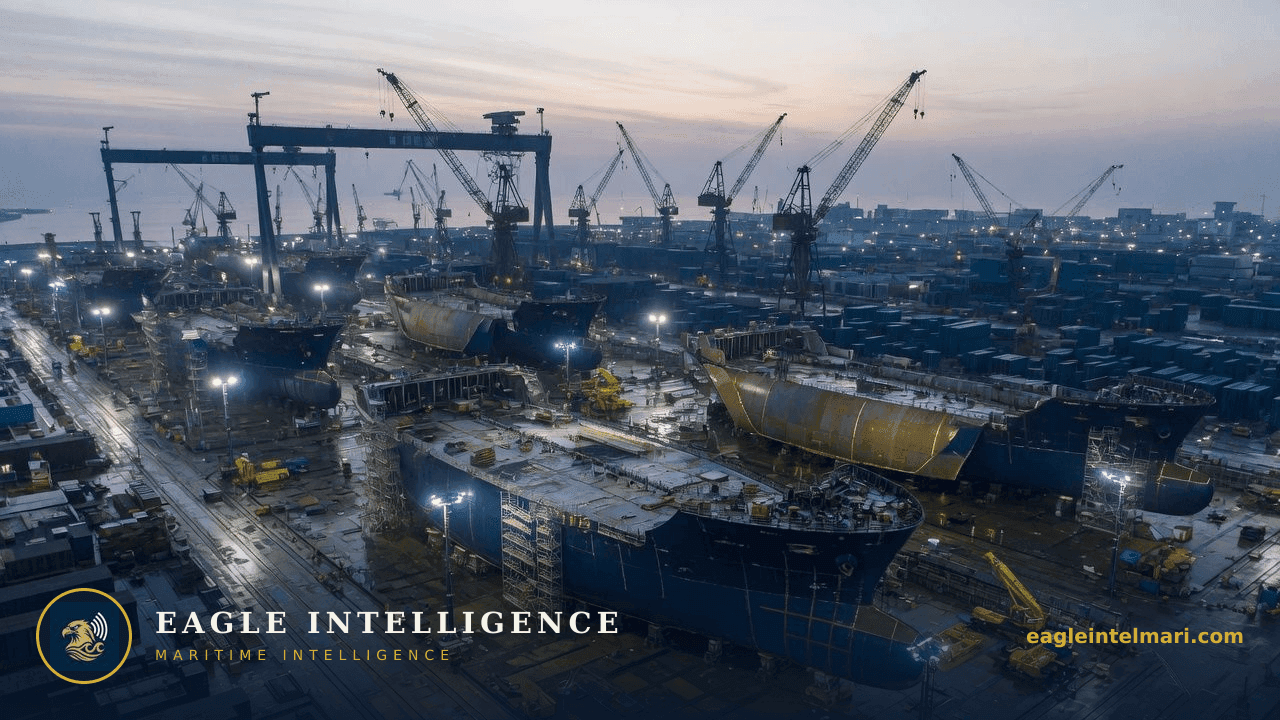
Shipowners have now placed more newbuilding contracts for large crude carriers than at the height of the 2008 ordering frenzy, a threshold that previously delivered a multi-year earnings collapse once the vessels hit the water.
The decision to exceed the previous record reflects a narrow window of strong earnings driven by longer-haul crude movements from the Atlantic to Asia and the need to replace an ageing fleet that will face stricter environmental rules after 2030. Many of the new contracts carry dual-fuel or methanol-ready specifications, allowing owners to claim compliance advantages that older tonnage cannot match. Yards in South Korea and China are quoting delivery slots into 2028-2029, giving operators time to lock in high-rate charters before the supply wave arrives.
While prompt tonnage remains scarce, the forward orderbook will begin to weigh on asset prices within 18 months. Second-hand VLCCs built 2015-2018 are already softening as buyers factor in the arrival of more efficient newbuilds. Charterers with multi-year requirements are accelerating negotiations now, seeking to secure tonnage before the market senses the coming oversupply. Spot rates may stay supported through 2026 by seasonal and geopolitical factors, yet period rates for 2027 onward are likely to compress once the first wave of these record orders enters service.
Hull and machinery underwriters have already begun adjusting renewal terms for older tonnage, demanding higher deductibles and lower insured values on vessels without scrubbers or alternative-fuel capability. P&I clubs face parallel pressure: an enlarged fleet increases collision and pollution exposure at a time when several clubs are still digesting claims from recent Red Sea diversions. War-risk markets, by contrast, remain focused on transit premiums rather than newbuilding risk, creating a temporary mismatch that owners are exploiting to place cheaper cover on vessels still under construction.
Each new VLCC requires roughly 25-28 qualified officers. With the global pool of senior tanker officers already stretched by rapid fleet growth in the chemical and LNG sectors, manning the additional vessels will require accelerated cadet programmes or poaching from existing operators. Flag states that have historically supplied large numbers of ratings are tightening training standards, raising the prospect of delayed sailings or higher wage inflation once the newbuilds begin to compete for the same limited pool of experienced personnel.
The first scenario sees sustained high oil demand and continued Atlantic-to-Asia trade patterns absorbing the new tonnage, keeping earnings above 2019 averages; this outcome requires OPEC+ to maintain output discipline and no major acceleration in energy-transition policies. The second scenario produces a moderate glut similar to 2010-2014, with average VLCC TCE falling 25-35 percent below current levels once 2027 deliveries peak. The third and most severe path materialises if a global recession coincides with the arrival of the new ships, repeating the 2009-2010 trough in which many owners resorted to lay-up or early scrapping.
Chinese and Korean yards have already secured the bulk of the orders, shifting bargaining power away from owners who previously enjoyed multi-yard competition. Several Middle Eastern and Indian ports are expanding VLCC berths and storage capacity in anticipation of higher discharge volumes, betting that the new fleet will sustain elevated crude imports even if European demand softens. Owners who ordered early are now negotiating priority slots for future methanol conversions, locking in yard capacity that later entrants may find unavailable or far more expensive.
Advertisement
Advertisement
⚠️ Intelligence Disclaimer: This analysis is produced by Eagle Intelligence's AI-assisted automated analysis system and is provided for informational purposes only. See our editorial standards. It is not a substitute for official maritime safety advisories from UKMTO, MSCHOA, IMO, or flag state authorities. Operational decisions should always be based on official guidance and professional judgment. Eagle Intelligence accepts no liability for any loss arising from reliance on this content.
Live chokepoint status, war-risk shifts, and the daily maritime wire, straight to your inbox. Free.
Leave a comment
All comments moderated for quality
