Renewed strikes in the Strait of Hormuz have led to a second tanker abandonment in 24 hours and Saudi crude cargoes reversing course, testing the limits of war risk coverage barely a month after the US-Iran truce memorandum.
Advertisement
Advertisement
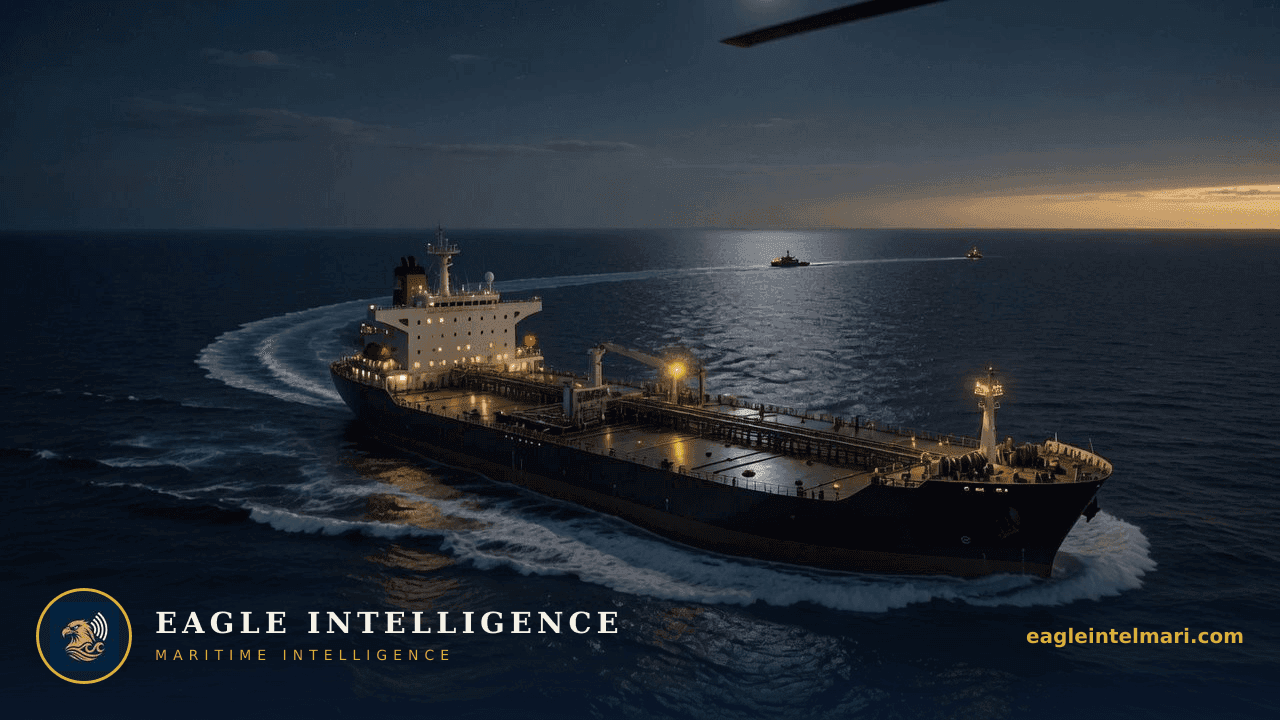
The July 2026 memorandum of understanding between Washington and Tehran aimed to halt tanker attacks in the Strait of Hormuz. Within weeks the arrangement collapsed, with both sides exchanging strikes once more. Two commercial tankers have now been abandoned by crews after projectile hits near the strait in as many days, while Saudi crude carriers loaded for China and India executed U-turns in the Red Sea to avoid Houthi threats.
On or before 20 July a tanker was struck and abandoned near the strait. A second followed within 24 hours. Separately on 21 July the COSCO-managed VLCC Xin Long Yang carrying 2 million barrels and the Dynacom aframax Rodos carrying 700,000 barrels reversed course in the Red Sea after Houthi warnings against Saudi port calls. Iranian crude arrivals at Singapore ship-to-ship areas reached 36.2 million barrels by 20 July, reflecting the brief earlier window of sanctions relief and open transit.
Known facts are limited to the reported abandonments, the two documented U-turns, the Houthi warning and the sharp rise in Iranian crude movements. The identity of the projectiles, exact ownership of the abandoned tankers and whether the strikes originated from state or proxy forces remain unverified. Eagle assessment judges the truce collapse as the dominant driver of current route disruption, carrying high confidence given the clustered timing and direct attribution in multiple owner reports.
Vessels now face immediate decisions on routing around the strait or accepting elevated war risk premiums. Red Sea transits to the Suez Canal have become the default for some Saudi cargoes, lengthening voyages and increasing bunker consumption. Crew safety protocols have shifted from routine transit to active abandonment drills, with owners reluctant to expose personnel to repeat strikes.
War risk underwriters are repricing cover for Hormuz and adjacent waters at levels that challenge voyage economics. The operating environment has invalidated earlier assumptions that the July memorandum would stabilise conditions for at least six months. Hull and P&I clubs are reviewing additional premium triggers tied to specific chokepoint attacks rather than broad regional declarations.
Charterers of crude for India and China are absorbing longer Red Sea routings and potential delays at the Suez Canal. Energy traders face narrowed arbitrage windows between Gulf and Asian markets. Port executives in Fujairah and Singapore are preparing for increased ship-to-ship activity as Iranian volumes seek outlets. Manning agencies report rising crew refusal rates for Hormuz transits, while regulators in flag states weigh advisory notices that could trigger contract-of-carriage disputes.
An alternative reading holds that Ukrainian attacks on CPC tankers loading at Novorossiysk, which disrupted 1.5 million barrels per day of Kazakh and Russian exports, represent the larger systemic threat to oil logistics. Evidence supporting this view would require demonstration that Black Sea delays have produced measurable global price spikes exceeding those observed from Hormuz incidents. Current data show the Hormuz abandonments and Red Sea U-turns as more immediate signals of route avoidance.
How many additional abandonments will trigger a formal joint war risk exclusion zone for the strait? What premium threshold will cause owners to cancel charters rather than accept Hormuz routing? Will the brief Iranian crude surge to Singapore persist once sanctions enforcement resumes? Can the CPC loading disruptions be isolated from Hormuz volatility in cargo insurance wordings?
Next 24 hours: any reported third Hormuz strike or formal Houthi statement expanding target list. Next seven days: war risk additional premium announcements from major London syndicates and any fresh Saudi crude diversions. Next thirty days: volume of Iranian crude at Singapore ship-to-ship areas and whether CPC loadings recover above 1 million barrels per day.
Advertisement
Advertisement
Live Hormuz transit status and war-risk band.
Live 1–5 shipping war-risk level across monitored chokepoints.
⚠️ Intelligence Disclaimer: This analysis is produced by Eagle Intelligence's AI-assisted automated analysis system and is provided for informational purposes only. See our editorial standards. It is not a substitute for official maritime safety advisories from UKMTO, MSCHOA, IMO, or flag state authorities. Operational decisions should always be based on official guidance and professional judgment. Eagle Intelligence accepts no liability for any loss arising from reliance on this content.
Live chokepoint status, war-risk shifts, and the daily maritime wire, straight to your inbox. Free.
Leave a comment
All comments moderated for quality
