Escalating US-Iran naval clashes and a renewed US blockade of Iranian ports have prompted shipping companies to shun the Strait of Hormuz, driving tanker owners toward alternative routes such as the US Gulf Coast while Brent crude holds above $80. The central question is whether this pattern of avoidance will sustain elevated freight rates and reshape global crude flows over the coming weeks.
Advertisement
Advertisement
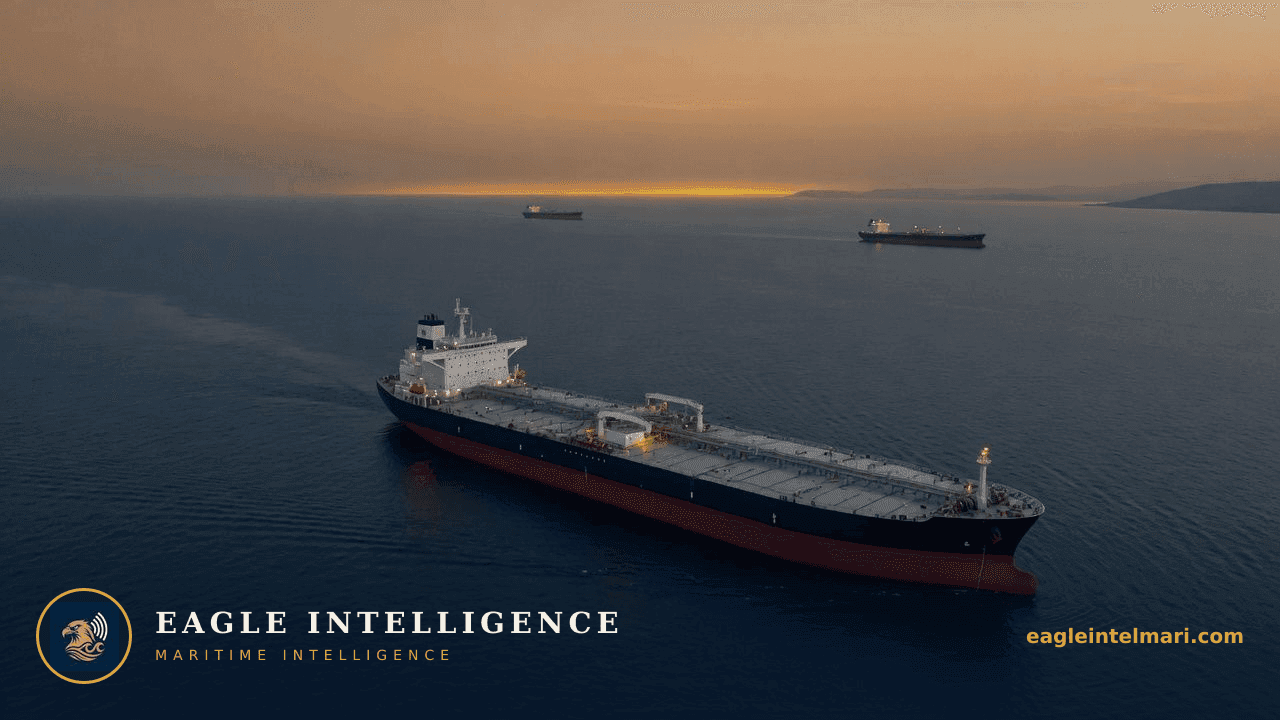
Shipping companies are forgoing transits of the Strait of Hormuz after the United States reimposed a counter-blockade of Iranian ports and disabled an Iran-linked tanker heading toward Kharg Island with Hellfire missiles. Multiple owners now route VLCCs via the US Gulf Coast or longer-haul Brazil-China voyages rather than accept US escort arrangements they distrust.
On 15 July the Curacao-flagged M/T tanker was struck; CENTCOM operations continued along Iran’s southern coast the following day. Iran simultaneously instructed Houthi forces to prepare closure of the Bab el-Mandeb if US strikes hit Iranian power infrastructure. These events followed the mid-June US-Iran memorandum that had briefly raised hopes of de-escalation within a 60-day window.
We know that at least one vessel was disabled inside the Gulf, that owners are actively weighing USGC loadings, and that spot VLCC activity out of the Persian Gulf remains tepid. We do not know the precise number of vessels that have diverted in the last 72 hours or whether Tehran has operationalised any new mining or missile posture inside the strait. Eagle assessment: the avoidance is real and commercially driven, not merely rhetorical, with medium confidence that rates will stay elevated for at least the next seven days.
Owners face immediate decisions on routing, war-risk premiums and crew rotation. Brazil-China returns currently outpace Gulf loadings, reducing the incentive to test Hormuz even under escort. Panamax and smaller crude carriers that cannot economically divert around Africa absorb the largest relative exposure.
Freight markets have reverted to a recognised “wartime pattern” with VLCC earnings supported by scarcity of willing tonnage. Any sustained diversion increases tonne-mile demand on Atlantic routes while pressuring Asian refiners to secure longer-haul barrels or draw inventories. Insurers are repricing hull and cargo covers; P&I clubs face rising calls on deviation clauses.
US reimposition of the blockade revives questions over secondary sanctions exposure for any vessel that still calls Iranian terminals. Greek owners already lobbying against tighter Arctic LNG measures in the EU’s stalled 21st sanctions package now confront a second front of Hormuz-related compliance risk.
The strongest counter-case holds that the current avoidance reflects short-term risk aversion that will reverse once the immediate clash subsides or US escorts prove effective. Evidence supporting this view would be a measurable uptick in Gulf loadings within seven days and a fall in Brent back below $75. At present the data show the opposite movement.
Next 24 hours: any confirmed additional strike inside the Gulf or fresh Houthi statement on Bab el-Mandeb readiness. Next seven days: publication of weekly VLCC fixture data showing sustained Gulf-to-Asia loadings below 10 vessels. Next thirty days: outcome of the 60-day US-Iran settlement window and any corresponding adjustment to war-risk premiums or JWC listings.
Advertisement
Advertisement
Live Hormuz transit status and war-risk band.
Live 1–5 shipping war-risk level across monitored chokepoints.
⚠️ Intelligence Disclaimer: This analysis is produced by Eagle Intelligence's AI-assisted automated analysis system and is provided for informational purposes only. See our editorial standards. It is not a substitute for official maritime safety advisories from UKMTO, MSCHOA, IMO, or flag state authorities. Operational decisions should always be based on official guidance and professional judgment. Eagle Intelligence accepts no liability for any loss arising from reliance on this content.
Live chokepoint status, war-risk shifts, and the daily maritime wire, straight to your inbox. Free.
Leave a comment
All comments moderated for quality
