The United States will resume its naval blockade of Iranian ports on 14 July 2026, less than a month after the ceasefire ended, following US drone attacks on Bandar Abbas and a strike on the container ship GFS Galaxy that left one Indian seafarer missing. Shipping through the strait now faces direct military enforcement, immediate traffic collapse and rate spikes exceeding 276 percent on Asia-US lanes.
Advertisement
Advertisement
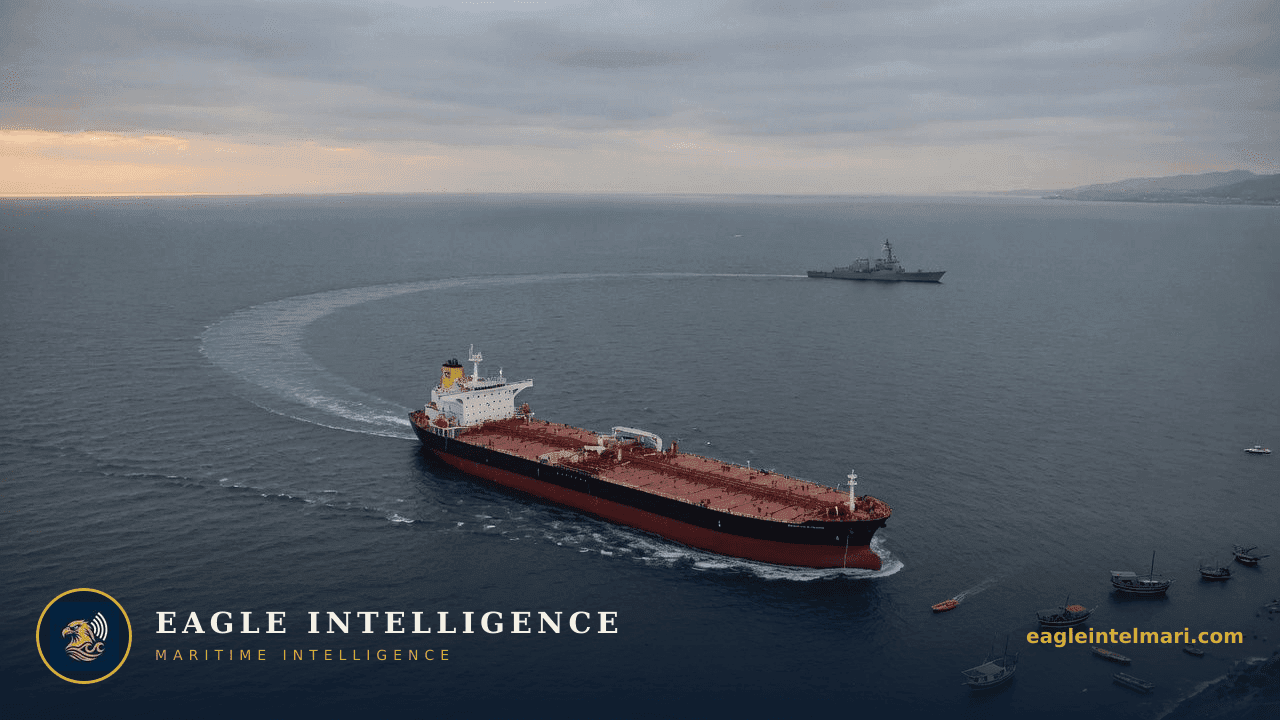
The United States Central Command announced on 13 July 2026 that it will reimpose the maritime blockade of Iranian ports, coasts and vessels on 14 July. The decision ends a 60-day ceasefire that began when the blockade was lifted on 18 June. Under the previous enforcement period, US forces disabled nine ships and three Indian crew members died aboard the tanker MT Settebello. A separate container ship, the Cyprus-flagged GFS Galaxy, was struck in the Strait of Hormuz on 12 July; one Indian crew member remains missing after the 23-person crew abandoned the burning 7,000-teu vessel.
Tanker traffic through the strait fell to its lowest level since 25 May on 13 July. Operators are diverting Gulf cargoes to landbridge routes or accepting sharply higher insurance and charter costs. The 25-second video released by CENTCOM shows three Saronic Corsair one-way attack USVs striking a Ghadir-class midget submarine and maintenance facility at Bandar Abbas Naval Base on 12 July. Commercial masters now assess whether routine transits will trigger the same enforcement actions applied during the earlier blockade.
The IMO Council adopted a resolution during its 6-10 July session reaffirming freedom of navigation through international straits and condemning attacks on commercial vessels. Flag states and hull insurers must now decide whether Hormuz transits remain permitted under war-risk clauses. Sanctions relief that had cleared Iranian crude in June has already reversed, with floating storage volumes in East Asia declining as cargoes stopped moving.
Asia-US container rates rose 276 percent amid the renewed conflict. The Baltic Dry Index advanced for a third consecutive session to 2,960 points, while Middle East landbridge freight rates exceeded pandemic peaks. DHL Forwarding has chartered 777 cargo aircraft multiple times weekly from Thailand, Vietnam and Taiwan to offset ocean capacity losses. Ningbo Containerized Freight Index stood at 2,401.9 points for the week ending 10 July.
Known facts include the announced 14 July blockade resumption, the 12 July USV strikes at Bandar Abbas, the attack on GFS Galaxy, the drop in tanker transits and the documented crew fatality from the prior blockade period. Unknown factors include the precise rules of engagement for commercial vessels, the duration of the new enforcement regime and whether Iranian forces will target additional merchant ships. Assessment: the blockade will produce sustained routing changes and elevated war-risk premiums for at least the next 30 days; is high because the traffic data and rate movements already confirm the initial impact.
Charterers are accelerating landbridge bookings and air charters, raising inland logistics costs for Gulf importers. Manning agencies face pressure to reroute Indian and other crews away from Hormuz contracts. Port executives in Fujairah and Salalah must prepare for increased vessel calls and longer anchorages. Energy traders holding Iranian crude positions face renewed storage constraints and delivery delays.
The strongest alternative reading holds that the blockade will remain narrow, targeting only vessels clearly bound for Iranian ports, and that both sides will restore the ceasefire within weeks once signalling is complete. Evidence supporting this view would be a rapid rebound in tanker counts above the May 25 level and public statements from CENTCOM confirming only military targets were engaged.
Next 24 hours: any CENTCOM statement detailing blockade enforcement procedures or first interceptions after 14 July. Next seven days: tanker transit counts through Hormuz and whether they remain below the May 25 low. Next thirty days: publication of revised war-risk clauses by major hull insurers and any measurable shift in Indian seafarer contract refusals for Gulf voyages.
Advertisement
Advertisement
Live Hormuz transit status and war-risk band.
Live 1–5 shipping war-risk level across monitored chokepoints.
⚠️ Intelligence Disclaimer: This analysis is produced by Eagle Intelligence's AI-assisted automated analysis system and is provided for informational purposes only. See our editorial standards. It is not a substitute for official maritime safety advisories from UKMTO, MSCHOA, IMO, or flag state authorities. Operational decisions should always be based on official guidance and professional judgment. Eagle Intelligence accepts no liability for any loss arising from reliance on this content.
Live chokepoint status, war-risk shifts, and the daily maritime wire, straight to your inbox. Free.
Leave a comment
All comments moderated for quality
