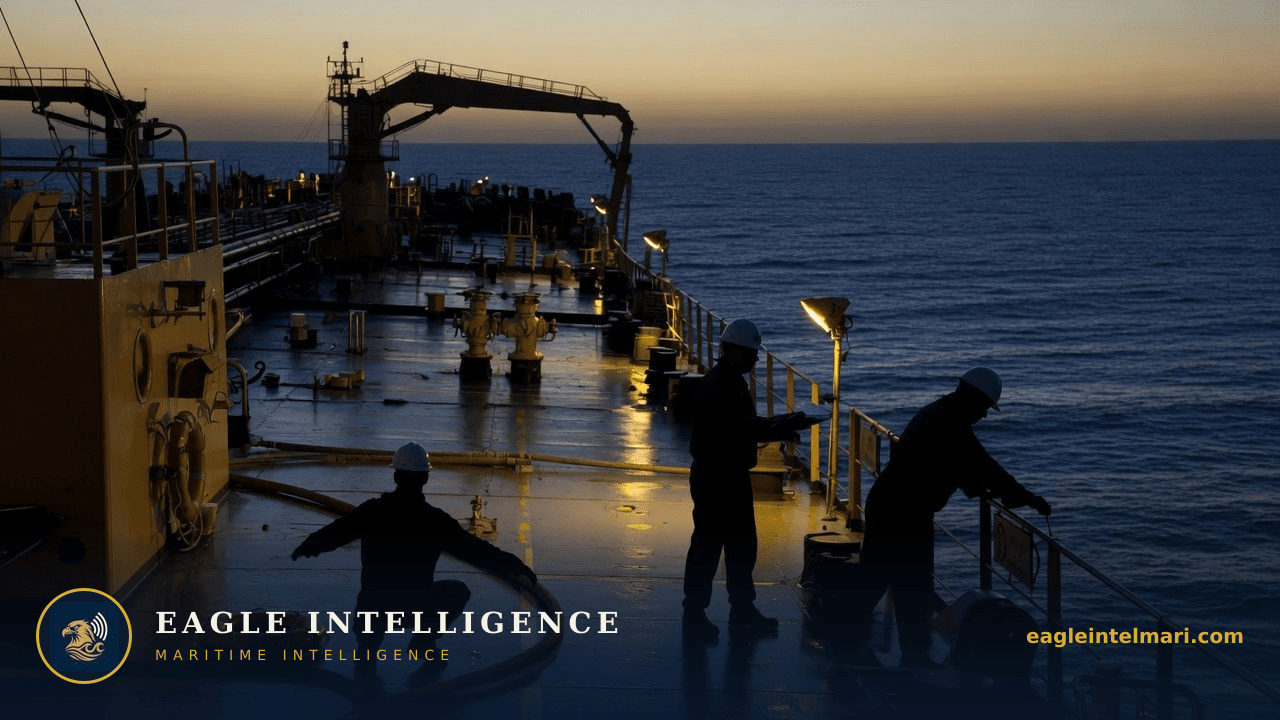
US and Iranian forces traded direct strikes on tankers and expanded no-go zones in and near the Strait of Hormuz over the past 24 hours, with Iran claiming attacks on ten vessels and the US reporting destruction of five Iranian tankers. Oil prices rose above $100 per barrel while VLCC earnings approached $800,000 per day on rerouting pressure. Charterers and owners face immediate decisions on cover, routing and force-majeure clauses as the six-month blockade shows no sign of easing. Additional signals include a Greek-owned VLCC struck by drone in Iraqi waters and fresh Houthi threats to the Bab al-Mandeb. The core operational question is whether current routing and insurance arrangements remain viable beyond the next 48 hours.
Advertisement
Advertisement
US and Iranian forces traded direct strikes on tankers and expanded no-go zones in and near the Strait of Hormuz over the past 24 hours, with Iran claiming attacks on ten vessels and the US reporting destruction of five Iranian tankers. Oil prices rose above $100 per barrel while VLCC earnings approached $800,000 per day on rerouting pressure. Charterers and owners face immediate decisions on cover, routing and force-majeure clauses as the six-month blockade shows no sign of easing. Additional signals include a Greek-owned VLCC struck by drone in Iraqi waters and fresh Houthi threats to the Bab al-Mandeb. The core operational question is whether current routing and insurance arrangements remain viable beyond the next 48 hours.
Iran claimed attacks on ten ships and widened maritime restrictions; US forces destroyed five Iranian tankers after missile strikes on a Navy warship.
Why it matters: Direct state-on-state targeting of commercial tonnage raises the probability of sustained transit disruption and insurance withdrawal.
Who is exposed: VLCC and product tanker owners, charterers with Hormuz loadings, and P&I clubs writing war-risk cover.
Brent crossed $100 as tanker strikes intensified and Hormuz transit costs rose sharply.
Why it matters: Price level triggers cargo-value clauses in charters and accelerates substitution of longer-haul crude for some buyers.
Who is exposed: Traders holding spot cargoes, refiners in Asia without term cover, and banks financing oil trade.
Gulf VLCC rates reached multi-year highs on strike-driven rerouting and reduced tonnage availability.
Why it matters: Rate spike improves owner cash flow but signals that normal commercial routing has already broken down.
Who is exposed: Charterers needing prompt tonnage and operators without long-term COAs.
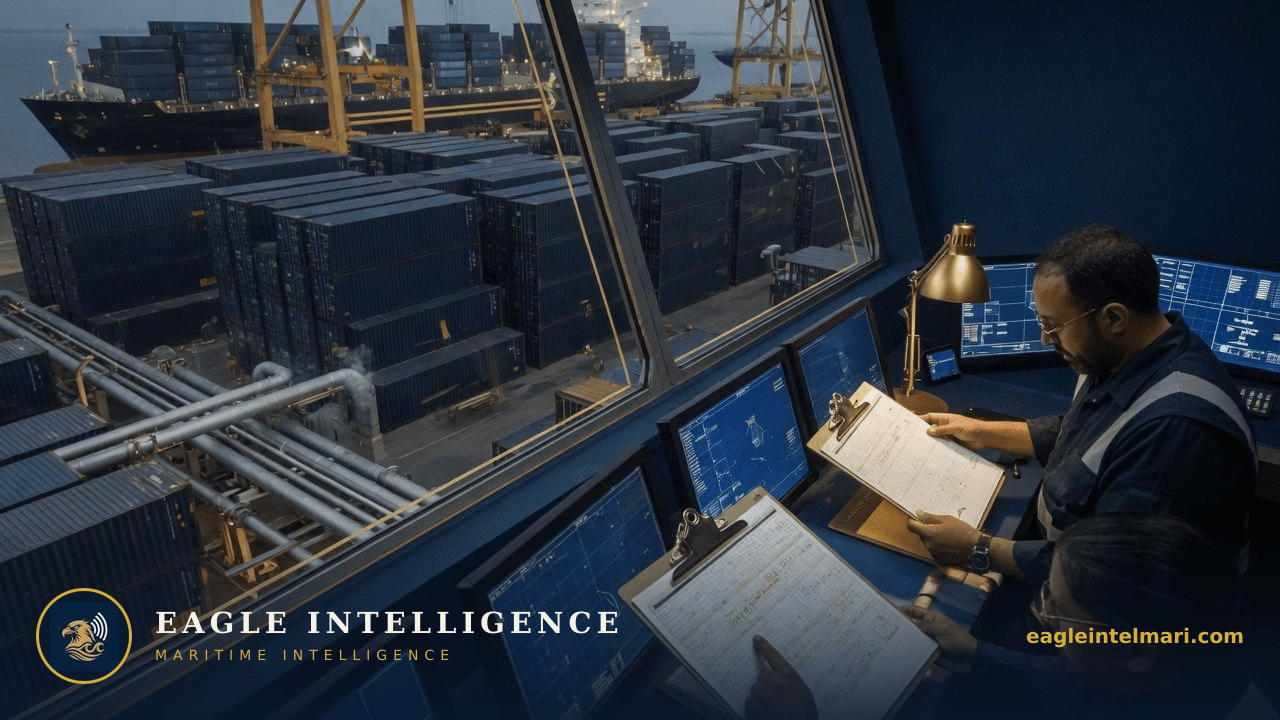
Qatar and UAE LNG rerouting tests after six months of blockade have produced workable but higher-cost patterns that could absorb further Hormuz pressure without immediate global supply loss.

Iran captured the US military’s most modern unmanned submarine in the Strait of Hormuz Verdict: unconfirmed Single-source Iranian statement with no corroborating US or independent reporting in the supplied material
Next US or Iranian statement confirming additional tanker strikes or new no-go coordinates before 10 September 1800 UTC
How many consecutive days of $100-plus Brent will it take for Asian refiners to shift term crude sourcing away from the Gulf?
The Daily Eagle Brief separates reported fact from Eagle assessment. Confidence percentages express editorial confidence based on the available sourcing, not mathematical certainty.
Advertisement
Advertisement
Live Hormuz transit status and war-risk band.
⚠️ Intelligence Disclaimer: This analysis is produced by Eagle Intelligence's AI-assisted automated analysis system and is provided for informational purposes only. See our editorial standards. It is not a substitute for official maritime safety advisories from UKMTO, MSCHOA, IMO, or flag state authorities. Operational decisions should always be based on official guidance and professional judgment. Eagle Intelligence accepts no liability for any loss arising from reliance on this content.
Live chokepoint status, war-risk shifts, and the daily maritime wire, straight to your inbox. Free.
Leave a comment
All comments moderated for quality
