Owners and charterers with vessels still inside the Gulf must now weigh a second convoy attempt against Cape diversions following the Iranian attack that ended the brief breakout.
Advertisement
Advertisement
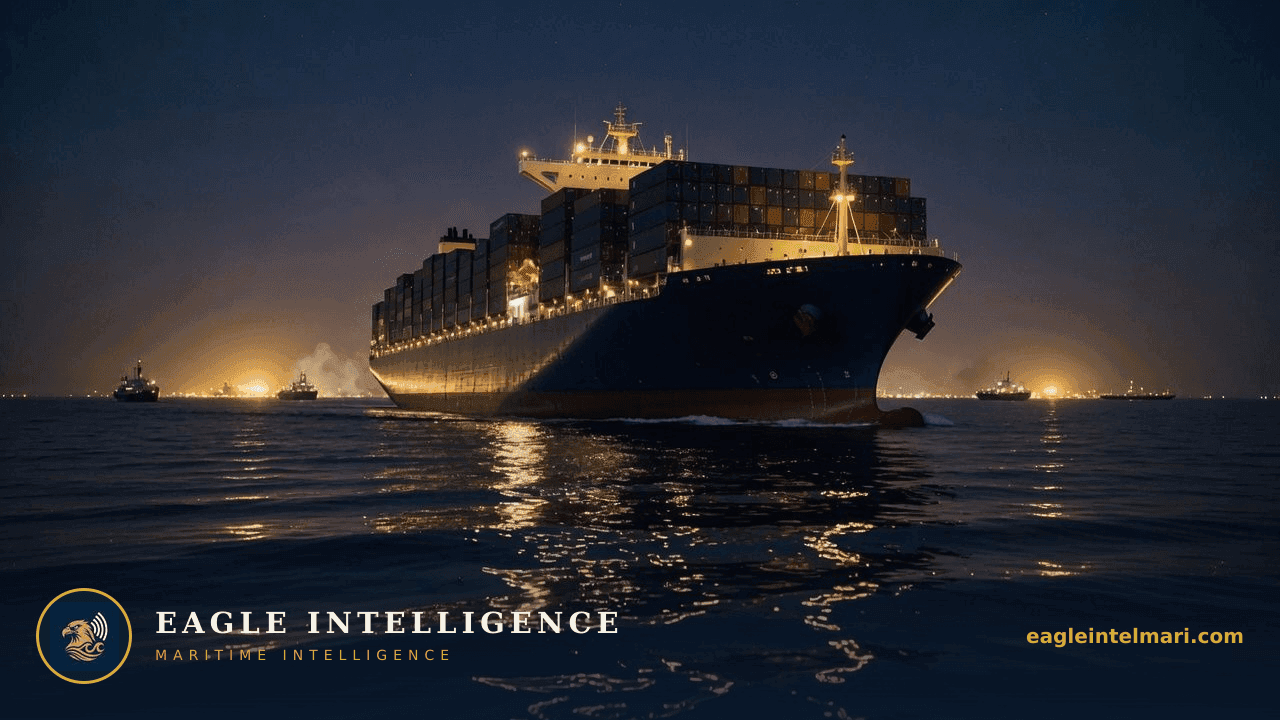
Charterers locked into Gulf loadings and owners with tonnage still inside the Strait of Hormuz face an immediate routing decision after Iranian forces struck an Evergreen containership and closed the 24-hour transit window that had allowed a handful of vessels to exit.
The attack followed four months of restricted movement for ships that had been bottled up by the earlier closure. Seafarers on those vessels now confront extended delays or longer, costlier passages.
A narrow operational window permitted limited departures before the strike on the Evergreen vessel restored Iranian control over the chokepoint. Traffic managers and masters who timed their transits within that interval cleared the strait; those that did not returned to anchorages inside the Gulf. The brevity of the opening underscores how quickly access can be granted and then withdrawn.
The targeted containership belongs to a major line with significant east-west capacity. Any follow-on restrictions or additional strikes will force schedule revisions that cascade into missed berthing windows at European and North American ports. Charterers on those services will see cargo rolled or incur storage charges while alternative tonnage is located.
Seafarers who endured the extended confinement now require relief. Manning agencies rotating crews through the region must accelerate relief voyages or negotiate extended contracts, both of which raise operating costs. For owners, every extra week inside the Gulf adds direct wage, victualling and insurance exposure that cannot be passed on under most existing fixtures.
Hull and P&I underwriters will re-rate voyages attempting a second breakout. The precedent of a successful 24-hour release followed by immediate re-closure gives brokers a concrete data point rather than theoretical threat assessments. Expect quoted additional premiums to move first on containerships and tankers still positioned east of the strait.
The temporary relief and subsequent reversal will tighten available tonnage on Gulf loadings. Operators that diverted earlier via the Cape now hold a scheduling advantage; those that waited for the Hormuz opening face both higher war-risk costs and lost spot opportunities. The classic rate tango—tight capacity pushing rates higher until new supply enters—will play out again, but this time with a visible military trigger.
Track the next reported Iranian statement on transit permissions and any fresh EUNAVFOR advisories; the first confirmed commercial transit after the Evergreen incident will reveal whether the window has reopened or whether Cape routing becomes the default for the next quarter.
Advertisement
Advertisement
Live Hormuz transit status and war-risk band.
Live 1–5 shipping war-risk level across monitored chokepoints.
⚠️ Intelligence Disclaimer: This analysis is produced by Eagle Intelligence's AI-assisted automated analysis system and is provided for informational purposes only. See our editorial standards. It is not a substitute for official maritime safety advisories from UKMTO, MSCHOA, IMO, or flag state authorities. Operational decisions should always be based on official guidance and professional judgment. Eagle Intelligence accepts no liability for any loss arising from reliance on this content.
Live chokepoint status, war-risk shifts, and the daily maritime wire, straight to your inbox. Free.
Leave a comment
All comments moderated for quality
