Japanese refiners are probing a U.S. sanctions waiver for Iranian oil, yet charterers and insurers are demanding longer cover and concrete safety guarantees before any tankers sail.
Advertisement
Advertisement
Japanese energy traders must decide whether to commit tonnage to Iranian crude under the latest U.S. sanctions waiver, with the Strait of Hormuz remaining the decisive operational hurdle.
Iran opened discussions with Japanese counterparties in recent weeks, seeking to revive limited oil sales under the waiver framework. Prospective buyers, however, are conditioning any liftings on an extended waiver period and explicit reassurances that vessels can transit without elevated war-risk premiums or detention fears.
Japan’s refining sector faces tightening sour-crude availability after several Middle East producers cut term volumes. Iranian barrels, priced at a discount to similar grades, offer an immediate margin opportunity if the waiver can be locked in for at least six months. Traders are therefore using the current talks to gauge Washington’s tolerance before any physical fixtures.
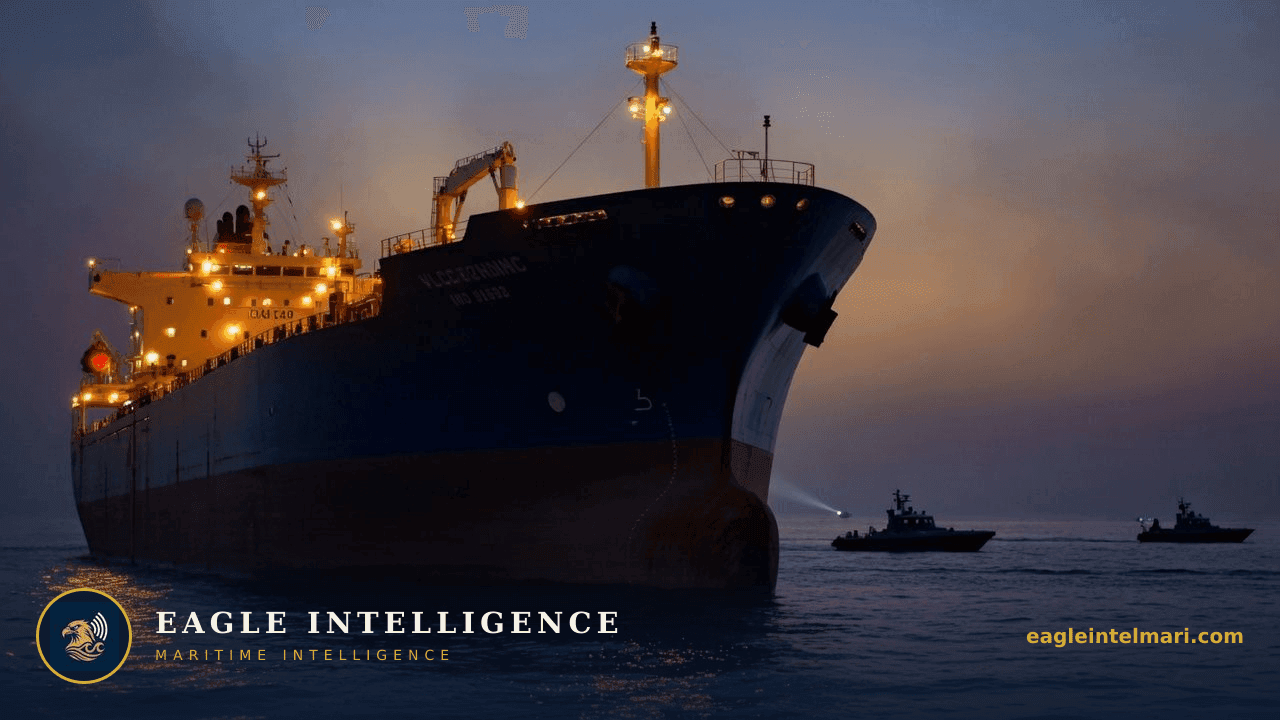
Every Iranian cargo must pass the Strait of Hormuz. Recent incidents involving drone approaches and mine-like objects have kept war-risk rates for VLCCs loading at Iranian terminals above $150,000 per transit. Charterers are now insisting that any waiver explicitly address these exposures or include cost-sharing mechanisms before they sign contracts.
P&I clubs and hull underwriters have signaled they will not extend standard cover without a longer waiver horizon and fresh intelligence on escort availability. For owners with tonnage in the Gulf, this translates to a potential 30- to 45-day delay while clubs review new conditions, directly affecting laycan planning for July and August loadings.
Several open-registry flags have already indicated reluctance to allow Iranian port calls without additional indemnity letters. Manning agencies rotating crews through the region are likewise flagging higher refusal rates among officers, raising the prospect of last-minute crew changes that could add $40,000–$60,000 per voyage.
Even modest resumption volumes would tighten the pool of available VLCCs willing to call Iran, pushing rates on the AG–East route higher by an estimated $3–5 per tonne. At the same time, any sustained Iranian exports would pressure Dubai crude differentials, giving Asian refiners a temporary bargaining lever against other regional suppliers.
Monitor whether Japanese buyers secure a written extension of the waiver beyond the current 90-day window; that single document will determine whether any vessels actually stem for Iranian terminals this quarter.
Advertisement
Advertisement
Live Hormuz transit status and war-risk band.
Live 1–5 shipping war-risk level across monitored chokepoints.
⚠️ Intelligence Disclaimer: This analysis is produced by Eagle Intelligence's AI-assisted automated analysis system and is provided for informational purposes only. See our editorial standards. It is not a substitute for official maritime safety advisories from UKMTO, MSCHOA, IMO, or flag state authorities. Operational decisions should always be based on official guidance and professional judgment. Eagle Intelligence accepts no liability for any loss arising from reliance on this content.
Live chokepoint status, war-risk shifts, and the daily maritime wire, straight to your inbox. Free.
Leave a comment
All comments moderated for quality
