Brussels targets Russia’s maritime evasion network with fresh restrictions on tankers, banks and LNG carriers, raising compliance costs and rerouting pressures across energy and freight markets.
Advertisement
Advertisement
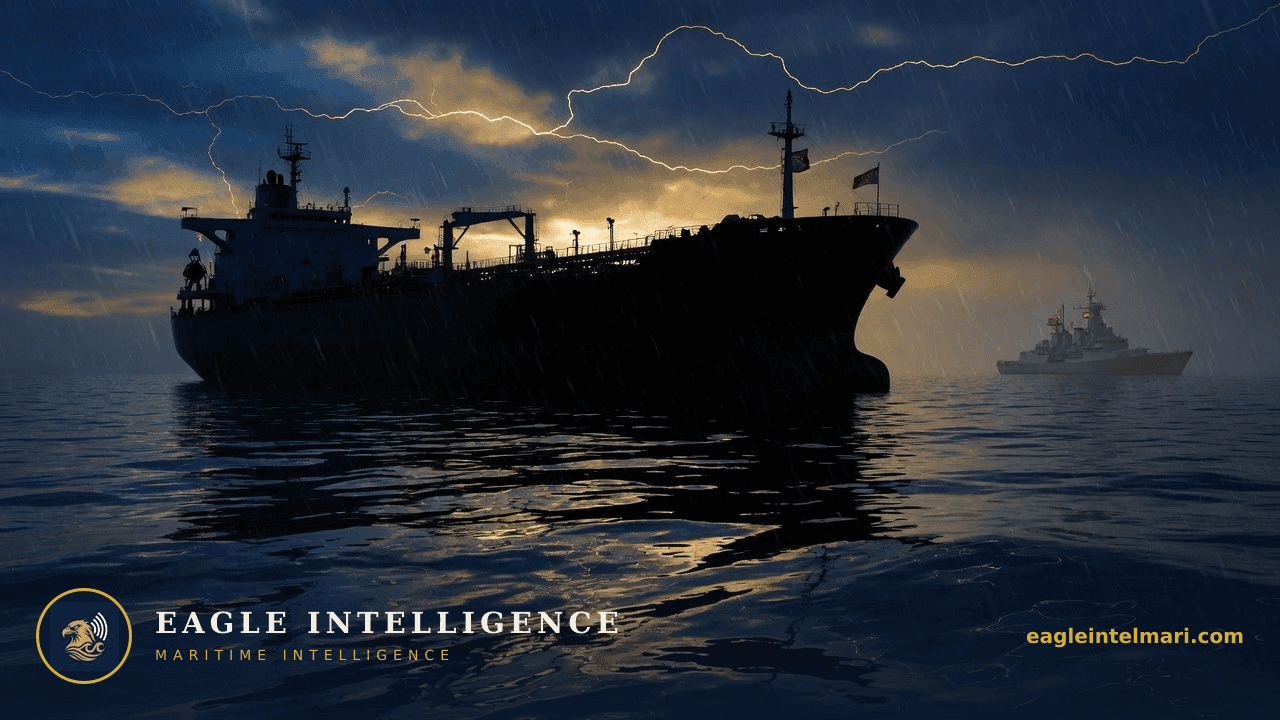
The European Commission’s 21st sanctions package directly confronts Russia’s shadow fleet and its financial backers, tightening the net around tankers and LNG vessels that have sustained Moscow’s export revenues despite earlier measures.
The proposal names specific vessels and their managers, removing the ambiguity that allowed many operators to continue trading under opaque flags and frequent ownership changes. By adding these assets to the sanctions list, Brussels forces ports and insurers to treat them as prohibited, accelerating the fleet’s need for new covers and flags of convenience. Historical precedent from the 2022–2023 rounds shows that once vessels are designated, average idle time rises sharply as owners scramble for alternative registries.
Financial institutions providing letters of credit or insurance guarantees for shadow-fleet operations are now in the crosshairs. The package widens the scope of secondary sanctions, meaning non-EU banks risk losing access to euro clearing if they continue facilitating payments tied to listed vessels. This is expected to push more transactions into cryptocurrency or barter arrangements, increasing both cost and detection risk for traders.
For the first time, dedicated LNG tankers appear alongside crude and product vessels. The move directly challenges Russia’s strategy of diverting Arctic LNG 2 cargoes through third-country transshipments. Charterers reliant on these ships will face immediate decisions on whether to breach contracts or absorb the cost of finding compliant tonnage in an already tight LNG carrier market.
Seafarers on sanctioned vessels risk wage arrears and detention if operators lose P&I cover. Flag states that have tolerated frequent ownership flips now confront a clearer choice: delist the vessels or accept heightened scrutiny from European port-state control. Several small registries have already signaled they will require enhanced due-diligence documentation before accepting new Russian-linked tonnage.
Higher war-risk premiums and the sudden withdrawal of shadow-fleet capacity are likely to lift Black Sea and Baltic freight rates by 15–25 percent within weeks. European buyers of Russian LNG may accelerate spot purchases from the United States and Qatar, tightening the global LNG balance and supporting higher TTF prices through the summer. Commodity traders without robust sanctions-screening tools face growing exposure to voided contracts and cargo seizures.
If enforcement remains consistent, the fleet’s effective capacity could shrink by 30–40 vessels by December, forcing Moscow to rely more heavily on ship-to-ship transfers in the Mediterranean. A weaker enforcement scenario would see rapid reflagging to non-aligned registries and a rebound in discounted Russian crude moving to Asia. The middle path—selective enforcement focused on LNG and high-value tankers—would create a bifurcated market where only the newest, best-documented vessels continue to trade at elevated rates.
Hull and P&I clubs are already circulating updated questionnaires to members, asking for beneficial-ownership details on any Russian-linked exposure. Early movers that proactively cancel covers on listed vessels will limit their own regulatory risk but may trigger a wave of claims from owners seeking to prove force majeure. The next 90 days will determine whether the 21st package produces lasting deterrence or merely accelerates the cat-and-mouse game that has defined sanctions evasion since 2022.
Advertisement
Advertisement
⚠️ Intelligence Disclaimer: This analysis is produced by Eagle Intelligence's AI-assisted automated analysis system and is provided for informational purposes only. See our editorial standards. It is not a substitute for official maritime safety advisories from UKMTO, MSCHOA, IMO, or flag state authorities. Operational decisions should always be based on official guidance and professional judgment. Eagle Intelligence accepts no liability for any loss arising from reliance on this content.
Live chokepoint status, war-risk shifts, and the daily maritime wire, straight to your inbox. Free.
Leave a comment
All comments moderated for quality
