Sustained US military action against Iran combined with Houthi resumption of Red Sea attacks has driven Hormuz transits down more than 50 percent week-on-week, raising the central question of how long commercial operators will accept elevated war-risk exposure before rerouting becomes structural.
Advertisement
Advertisement
Lloyd’s List Intelligence recorded only 78 Strait of Hormuz transits between 13 and 19 July against 174 the prior week, with eastbound movements falling from 101 to 44 and westbound from 73 to 34. This single data point, corroborated by multiple operators reporting AIS-off transits and delayed sailings, represents the sharpest measurable contraction in a critical energy artery since the June de-escalation. Other stories—EU shadow-fleet sanctions, Panama Canal prequalification, container rate softening—lack comparable immediate exposure for the largest share of global tonnage and do not intersect two of the world’s three major chokepoints simultaneously.
US strikes on Iranian targets began 12 July and reached the Caspian coast by 24 July. On 24 July President Trump publicly linked the campaign to Houthi attacks on Red Sea shipping. Houthi forces simultaneously declared a blockade on Saudi-linked vessels and ports. Saudi Arabia rejected the blockade narrative at the UN Security Council as misinformation and called for enforcement of existing resolutions on freedom of navigation. No verified sinkings or crew fatalities appear in the supplied reporting, but the combination of missile strikes and declared blockade constitutes a material change in threat posture.
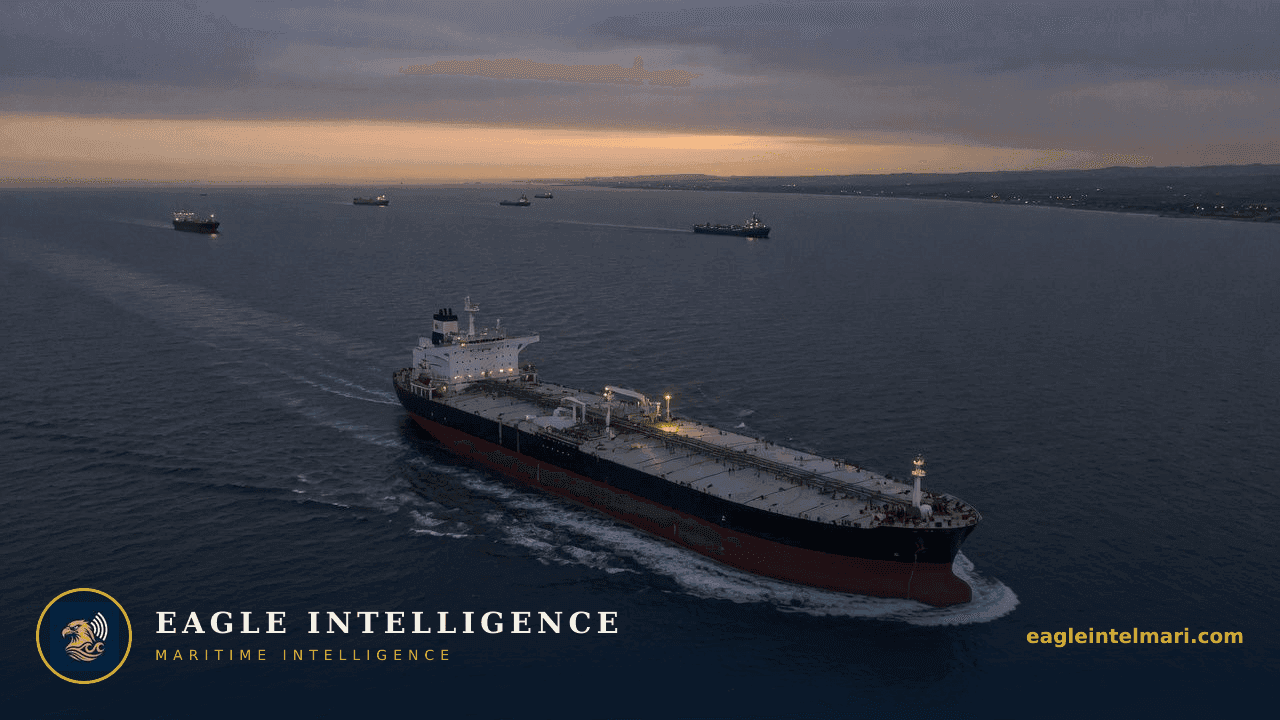
Large crude carriers and LNG carriers are the primary vessels still attempting Hormuz passages, yet many are proceeding with AIS disabled or anchoring outside the strait awaiting clearer risk windows. Westbound traffic has halved, indicating that charterers are either cancelling or diverting cargoes around the Cape. In the Red Sea, Houthi claims of blocking Bab el-Mandeb have already forced several operators to reverse course. Crew contracts on vessels that do transit now routinely include war-risk bonuses and shortened tour lengths; fatigue and family uncertainty rise when vessels remain in high-threat zones for extended periods while waiting for berths or convoys.
Hull war-risk premiums for Hormuz transits remain at elevated levels consistent with the post-June spike. The combination of US kinetic action and Houthi missile threats has removed any brief post-de-escalation softening. Cargo interests are absorbing higher deductibles or seeking alternative routing, which lengthens voyages by 10–14 days around the Cape and increases bunker consumption. Second-order effects appear in the grain market: Black Sea attacks have already driven wheat futures to two-year highs, and any sustained closure or deterrence of Hormuz would compound food-price pressure through higher energy costs for fertilizer and transport.
EU 21st sanctions package added 41 vessels to the Russian shadow-fleet list, but the immediate operational impact is secondary to the kinetic risk in the Gulf. US-flagged or US-owned vessels face additional exposure under US sanctions authorities if any cargo is deemed to benefit Iranian entities. Flag states and coastal states retain duties to protect freedom of navigation, yet enforcement remains declaratory; no naval escort regime comparable to prior Red Sea operations has been confirmed in the reporting. Charter-party frustration clauses and safe-port warranties are being tested in real time as operators weigh whether Hormuz or Jeddah constitute unsafe ports under current conditions.
The United States has signalled willingness to expand the target set inside Iran while simultaneously pressuring Houthis through the threat of “major military punishment.” Iran’s ability to close or severely constrain Hormuz remains a core deterrent capability that it has not yet fully exercised. Houthi actions appear calibrated to stretch US and allied naval resources across two theatres. Saudi Arabia’s UN intervention seeks to reframe the narrative away from Houthi legitimacy and toward enforcement of existing Security Council resolutions. Each actor’s next move depends on whether the current tempo of strikes produces measurable degradation of Iranian or Houthi strike capacity.
Although no casualties are confirmed, the sharp drop in transits implies hundreds of seafarers are currently on vessels that have altered course or are idling in higher-risk anchorages. Manning agencies report increased requests for war-risk addenda and early repatriation clauses. Families in traditional crewing nations face extended uncertainty when vessels remain in the Gulf or Arabian Sea rather than completing normal rotations. Abandonment risk remains low for now because most vessels are still under active charter, but any escalation that strands ships without clear port access could change that assessment rapidly.
AIS data gaps are pronounced; operators switching transponders off to reduce targeting risk create blind spots for tracking. Open-source imagery and statements from Houthis and Saudi officials present conflicting blockade claims with no independent verification of actual physical barriers. The 13-day strike sequence is confirmed by multiple USNI and GCaptain reports, yet exact target lists and damage assessments remain classified, limiting commercial risk models.
A plausible alternative reading holds that the current transit collapse is a short-term reaction that will reverse once the initial strike wave concludes and a tacit de-escalation is reached, similar to the mid-June pattern. Evidence supporting this view includes the absence of sustained Iranian mining or missile barrages against commercial traffic and the continued movement of some energy tonnage. If Iranian leadership calculates that further closure risks direct US naval engagement or if Houthi leadership faces renewed Saudi pressure, traffic could rebound within 7–14 days. The data that would validate this scenario is a week-over-week recovery in Lloyd’s List transit counts above 120 combined with softening of war-risk quotes.
Energy traders face immediate contango steepening if Westbound crude from the Gulf is delayed. Charterers with period contracts must decide whether to absorb Cape routing costs or invoke force-majeure language. P&I clubs are receiving increased notifications of deviation and war-risk declarations. Port executives in Fujairah and Singapore are modelling longer vessel queues if Hormuz remains constrained. Regulators in the EU and US must weigh whether additional shadow-fleet designations or naval presence can materially alter the risk calculus before the next grain export season. Manning agencies anticipate a premium on experienced Gulf-rated officers, potentially tightening supply for other trades.
How many consecutive days of Hormuz transits below 60 will trigger mandatory rerouting clauses in major energy charters?
What damage-assessment threshold would prompt Iran to move from selective strikes to mining or missile barrages against commercial traffic?
Which flag states have privately advised their registries to avoid Hormuz, and how quickly will that advice appear in public circulars?
Can EU and UK naval assets sustain simultaneous presence in the Gulf and Red Sea without drawing down escort capacity elsewhere?
Will Black Sea grain exporters accelerate Cape routing contracts before the next harvest window closes?
At what war-risk premium level do hull underwriters begin requiring armed security or convoy participation as a condition of cover?
Next 24 hours: Any confirmed Iranian response to the Caspian-coast strikes or Houthi missile launch against a commercial vessel.
Next 7 days: Lloyd’s List transit count for 20–26 July; if below 70 combined east-west, the contraction has become structural rather than reactive.
Next 30 days: Publication of July war-risk renewal statistics and any new US or EU sanctions directly targeting Iranian oil export infrastructure or Houthi financial networks.
Advertisement
Advertisement
Live Hormuz transit status and war-risk band.
Live 1–5 shipping war-risk level across monitored chokepoints.
⚠️ Intelligence Disclaimer: This analysis is produced by Eagle Intelligence's AI-assisted automated analysis system and is provided for informational purposes only. See our editorial standards. It is not a substitute for official maritime safety advisories from UKMTO, MSCHOA, IMO, or flag state authorities. Operational decisions should always be based on official guidance and professional judgment. Eagle Intelligence accepts no liability for any loss arising from reliance on this content.
Live chokepoint status, war-risk shifts, and the daily maritime wire, straight to your inbox. Free.
Leave a comment
All comments moderated for quality
