Shipowners and charterers moving alumina and bauxite around the Gulf now face lower immediate price risk than expected, as dark transits and Chinese supply have capped the war-driven spike.
Advertisement
Advertisement
For charterers fixing handy-size bulkers out of the Gulf and alumina traders watching LME spreads, the key decision is whether to lock in current freight levels or wait for a possible second wave of disruptions once Chinese stocks tighten.
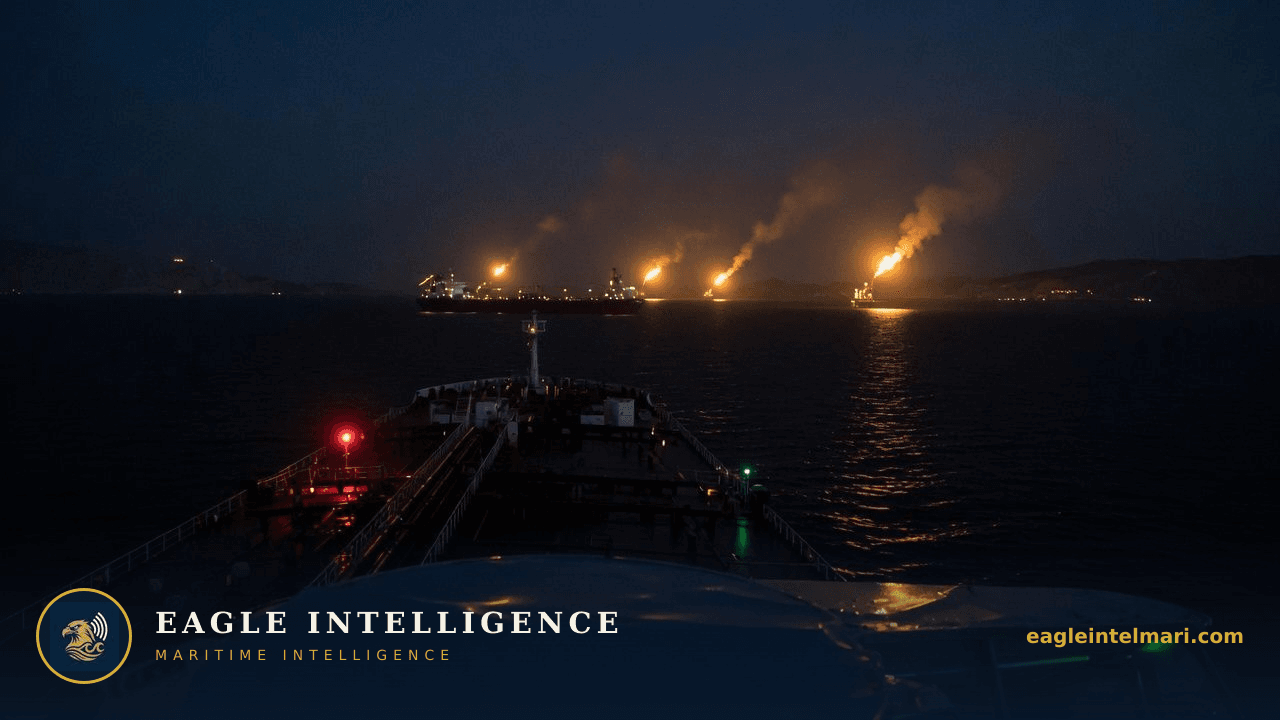
Vessels carrying alumina from Iranian ports have continued moving by disabling AIS for extended periods inside the Strait of Hormuz and along the Omani coast. These dark transits, already common in sanctioned crude movements, have kept roughly 180,000 tonnes of monthly Iranian alumina exports from registering in normal tracking data. The result is visible in AIS gaps rather than outright halts: several known handy-max vessels have reappeared days later near Fujairah or Karachi with cargoes that never showed origin ports.
Owners using these routes report higher war-risk premiums, yet the physical flow has not stopped. Charterers who accepted dark-transit clauses in the first weeks of the conflict are now seeing vessels complete voyages without the total embargo many insurers initially priced in.
Beijing’s decision to release strategic stocks and ramp up imports from Australia and Guinea has offset most of the lost Iranian and Qatari supply. Smelters in Shandong and Inner Mongolia increased output within three weeks of the first strikes, pushing domestic alumina prices down 9 percent and removing the need for Western buyers to bid aggressively for spot tonnage. This rapid response has kept the LME three-month aluminum contract from sustaining gains above $2,850 per tonne despite the scale of the initial shock.
Handy-size and supramax rates for Gulf-to-India and Gulf-to-Far East alumina stems have risen only 12-15 percent since the start of hostilities, far below the 40 percent spikes seen in similar chokepoint events. Hull and P&I underwriters have applied blanket 0.25 percent additional premiums for Hormuz transits rather than the 1.0-1.5 percent some owners feared. The muted reaction reflects both the visible Chinese supply buffer and the continued operation of shadow tonnage that keeps physical volumes moving.
For manning agencies, the bigger concern is crew willingness: several Filipino and Ukrainian officers have refused Gulf rotations on vessels that have already performed one dark transit, forcing owners to offer 25 percent hazard bonuses to maintain schedules.
The aluminum shock has rippled into bauxite chartering. West African loaders that normally compete with Middle East alumina are now quoting firmer numbers because some buyers have shifted sourcing to Guinea and Brazil to avoid any Hormuz exposure. This rerouting adds roughly six days of extra steaming and $180,000 in freight per 60,000-tonne cargo, costs that will eventually appear in aluminum ingot pricing if the conflict drags into the northern hemisphere winter.
The critical near-term trigger is whether Chinese smelters draw down their remaining strategic alumina stocks below 1.2 million tonnes; any public announcement of further releases would likely cap freight upside for another four to six weeks. Conversely, a single high-profile seizure or mine strike inside Iran could erase the current buffer within days and force war-risk premiums sharply higher.
Advertisement
Advertisement
Live Hormuz transit status and war-risk band.
Live 1–5 shipping war-risk level across monitored chokepoints.
⚠️ Intelligence Disclaimer: This analysis is produced by Eagle Intelligence's AI-assisted automated analysis system and is provided for informational purposes only. See our editorial standards. It is not a substitute for official maritime safety advisories from UKMTO, MSCHOA, IMO, or flag state authorities. Operational decisions should always be based on official guidance and professional judgment. Eagle Intelligence accepts no liability for any loss arising from reliance on this content.
Live chokepoint status, war-risk shifts, and the daily maritime wire, straight to your inbox. Free.
Leave a comment
All comments moderated for quality
