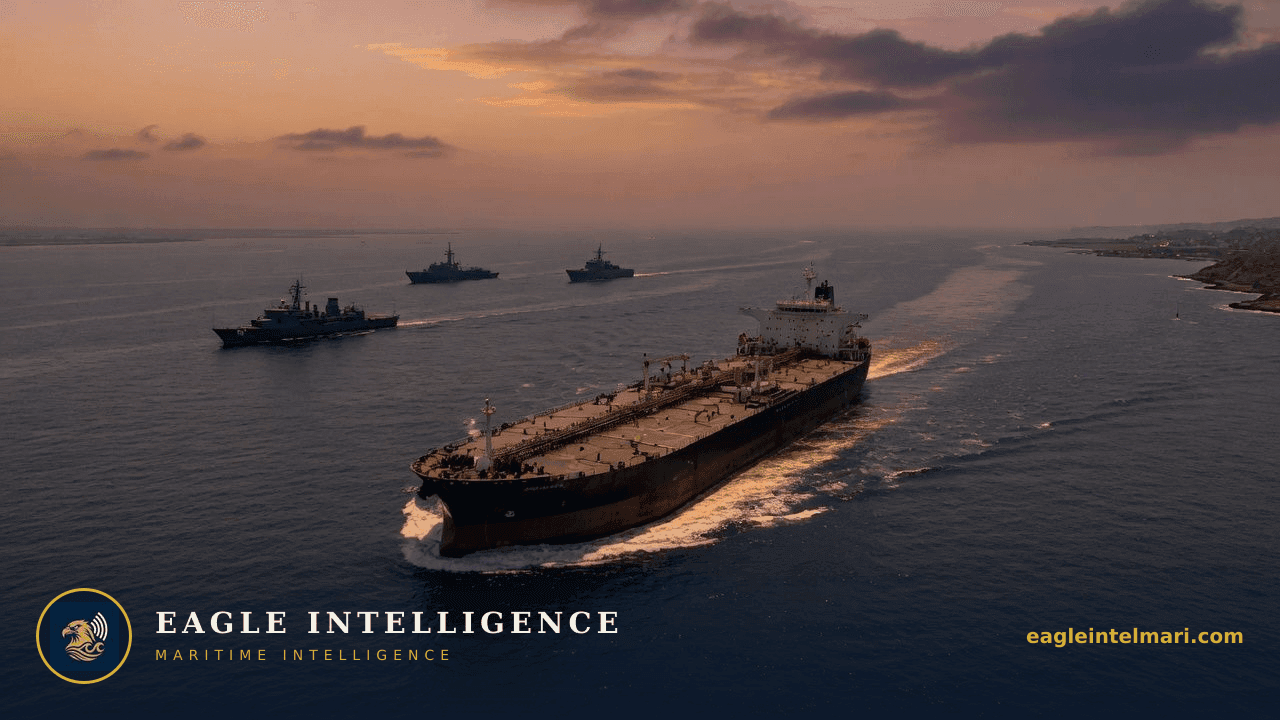
CENTCOM publicly confirmed the Strait of Hormuz remains open to commercial traffic following an Iran-linked declaration asserting authority to close the waterway.
Advertisement
Advertisement
CENTCOM’s swift public statement that the Strait of Hormuz stays open undercuts an Iran-linked assertion of closure authority, yet the episode immediately raises war-risk exposure for every vessel transiting the chokepoint.
An organization tied to Iranian authorities claimed the right to shut the strait on Thursday. CENTCOM responded within hours, stating that commercial shipping continues without interruption. The exchange highlights Tehran’s preference for calibrated signaling rather than outright physical blockage at this stage.
Hull and P&I underwriters have already begun fielding queries from owners on additional premiums for Hormuz transits. Even without kinetic action, the mere declaration allows clauses that permit surcharges once a competent authority deems the area heightened risk. Charterers booking prompt tonnage now face split negotiations over who absorbs any uplift.
Some owners are instructing masters to maintain normal speeds and report positions as usual, while others explore the longer but lower-profile route around the Cape. Charterers with time-sensitive LNG and crude cargoes resist diversion, creating friction in spot fixtures. Force-majeure notices have started circulating in draft form, though none have yet been formally triggered.
Several open-registry flags have issued quiet guidance reminding masters that any Iranian boarding attempt must be reported immediately to naval forces. Seafarers from nationalities already subject to Iranian detention risks are being offered voluntary crew swaps before next transits. Manning agencies report rising reluctance among officers to accept Hormuz voyages without enhanced kidnap-and-ransom cover.
De-escalation remains possible if Tehran achieves its signaling objective without further action and Western naval presence stays steady. A second path involves repeated declarations paired with shadow-fleet harassment short of mining, keeping premiums elevated but traffic flowing. The third path sees a single kinetic incident—such as a drone or missile strike on a tanker—that forces broader rerouting and sustained 15–20 percent war-risk loadings until naval escorts expand.
P&I clubs are expected to issue circulars within days requiring owners to notify any Iranian radio challenge. Hull markets will likely follow by adjusting automatic-termination language for declared closure zones. These steps precede any formal sanctions designation and give underwriters early pricing power over owners and traders still negotiating July–August liftings.
Advertisement
Advertisement
Indicative Additional War Risk Premium (AWRP) ranges — not a binding insurance quote.
Live Hormuz transit status and war-risk band.
Live 1–5 shipping war-risk level across monitored chokepoints.
⚠️ Intelligence Disclaimer: This analysis is produced by Eagle Intelligence's AI-assisted automated analysis system and is provided for informational purposes only. See our editorial standards. It is not a substitute for official maritime safety advisories from UKMTO, MSCHOA, IMO, or flag state authorities. Operational decisions should always be based on official guidance and professional judgment. Eagle Intelligence accepts no liability for any loss arising from reliance on this content.
Live chokepoint status, war-risk shifts, and the daily maritime wire, straight to your inbox. Free.
Leave a comment
All comments moderated for quality
