A single drone attack that killed one seafarer and wounded two others on a Panama-registered ship underscores how asymmetric threats continue to endanger commercial traffic in the Black Sea despite reduced large-scale naval activity.
Advertisement
Advertisement
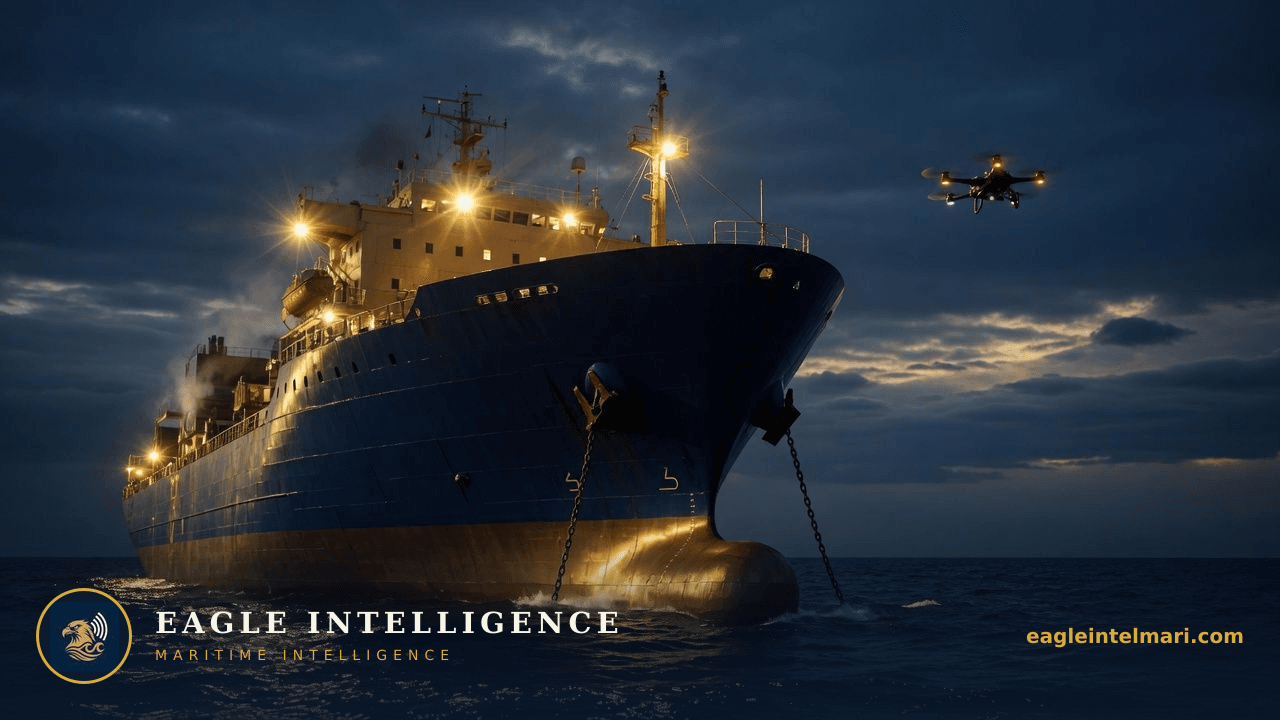
A drone strike that killed one crew member and injured two aboard a Panama-flagged vessel in the Black Sea has again demonstrated the lethal reach of low-cost unmanned systems against merchant shipping in contested waters.
Panama’s Maritime Authority confirmed the casualties but has yet to release the vessel’s identity or precise location, a standard precaution when flag-state investigations intersect with active conflict zones. Owners using the world’s largest registry already navigate higher war-risk premiums and tighter vetting from charterers; fresh incidents like this one accelerate demands for enhanced self-protection measures or outright avoidance of certain Black Sea segments. Flag-state credibility hinges on how quickly Panama can coordinate with classification societies and naval authorities to clarify whether the ship was following recommended routing or had deviated into higher-threat corridors.
Hull and P&I clubs have priced Black Sea transits at elevated but stable levels for most of the past year; a confirmed fatality shifts the actuarial picture. Underwriters are likely to widen the differential between escorted and unescorted voyages, while some syndicates may impose new deductibles for drone-related damage. Reinsurance treaties that cap aggregate losses from “named perils” in the region will come under review if similar strikes recur within the next quarter, potentially pushing smaller operators toward lay-up or longer ballast legs around the Cape.
The injured crew members highlight a widening gap between the protections afforded to warships and those available to civilian mariners. Commercial vessels lack the layered air-defense suites now fitted to many naval units, leaving lookouts and bridge teams as the primary sensors. Manning agencies are already fielding questions from Filipino and Indian ratings about hazard pay and refusal rights; any sustained uptick in strikes could trigger crewing shortages on routes serving Ukrainian grain and Russian energy exports alike.
Black Sea grain shipments have recovered volume since the collapse of the Black Sea Grain Initiative, yet each successful drone hit rekindles memories of 2022–2023 port closures. Charterers of handy-size bulkers are quietly inserting additional war-risk clauses that allow deviation to Constanta or Turkish Straits ports without penalty. On the energy side, smaller LNG and product carriers that had resumed direct lifts from Russian terminals now face fresh scrutiny from European buyers wary of both physical disruption and reputational exposure.
If attribution points to non-state actors operating from Ukrainian-held territory, Russia may intensify its own drone and missile patrols, raising the daily threat density. Should the incident prove to be an outlier tied to a single rogue unit, traffic volumes could stabilize with only marginal premium creep. A third scenario sees Turkey leverage its Montreux Convention authority to tighten inspection regimes at the Bosphorus, effectively throttling throughput until confidence is restored. Each path turns on whether the next thirty days produce additional strikes or a period of quiet that allows insurers to absorb the loss without repricing the entire basin.
Advertisement
Advertisement
Live 1–5 shipping war-risk level across monitored chokepoints.
⚠️ Intelligence Disclaimer: This analysis is produced by Eagle Intelligence's AI-assisted automated analysis system and is provided for informational purposes only. See our editorial standards. It is not a substitute for official maritime safety advisories from UKMTO, MSCHOA, IMO, or flag state authorities. Operational decisions should always be based on official guidance and professional judgment. Eagle Intelligence accepts no liability for any loss arising from reliance on this content.
Live chokepoint status, war-risk shifts, and the daily maritime wire, straight to your inbox. Free.
Leave a comment
All comments moderated for quality
