
Sanctions
UK Arrest of Captain Ajay Pant Raises Personal Stakes for Shadow Fleet Masters
The detention of Indian master Ajay Pant in Britain over sanctions breaches forces owners and manning agents to confront direct criminal exposure for officers on Russian-origin tankers.
Eagle IntelligenceDrafted by the Eagle desk system; no individual review recordedRecorded urgency at publication: High. Not a live alert.
Advertisement
Advertisement
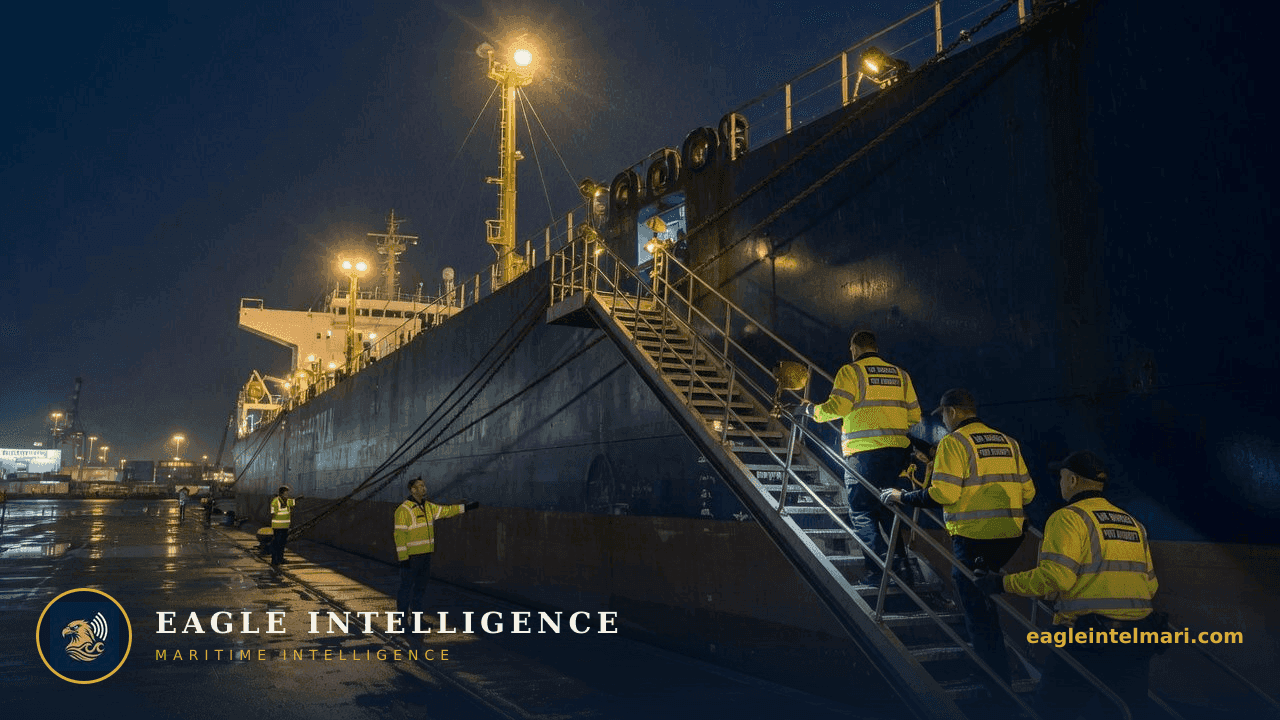
Shipowners running Russian crude through the shadow fleet must now weigh the personal criminal risk to their masters after UK authorities detained Captain Ajay Pant, a 38-year-old Indian national, on sanctions-evasion charges. The move signals that enforcement has shifted from vessel detention and cargo seizure toward holding individuals accountable at the point of port entry.
Masters Now Carry Criminal Exposure
Captain Pant’s arrest places the master in the direct line of sanctions liability rather than treating him as a crew member following orders. For owners, this changes the calculus on crewing decisions: a master facing potential UK prosecution may refuse to sign documents that disguise cargo origin or destination. Manning agencies rotating Indian officers through these vessels will face immediate pressure to clarify indemnity clauses or risk losing experienced personnel unwilling to sail under heightened scrutiny.
Enforcement Shift From Cargo to Command
Previous UK and EU actions against shadow fleet tankers centered on impounding cargoes or denying port access. Targeting the master introduces a lower-cost lever that disrupts operations without requiring complex cargo handling or long-term vessel arrest. Flag states that have tolerated opaque ownership structures may now receive formal requests for master information, accelerating the erosion of flags willing to cover these tankers.
Manning Markets Absorb the Shock First
Indian officers form a significant portion of shadow fleet crews because of competitive wages and established recruitment pipelines. The Pant case will prompt some masters to demand contractual guarantees against prosecution or to seek alternative employment on non-sanctioned tonnage. Charterers fixing vessels with Indian command teams should expect higher day rates or outright refusals once the arrest circulates through seafarer forums and union channels.
Insurers Recalibrate Criminal Defence Cover
P&I clubs and hull insurers have historically limited cover for sanctions breaches. With a master now in custody, clubs must decide whether to fund legal defence for the individual or leave owners exposed to both criminal fines and civil claims from the seafarer’s family. Underwriters pricing next quarter’s renewals will likely insert explicit exclusions or sharply higher deductibles for any vessel that has called Russian ports since 2022.
Ports and Flag Registries Face Fresh Pressure
British ports have demonstrated willingness to act on intelligence about shadow fleet movements. Other European ports may replicate the tactic, creating a patchwork of enforcement risk along common STS and discharge routes. Flag states still accepting these vessels will come under diplomatic pressure to cooperate with extradition or evidence requests, further narrowing the pool of registries prepared to carry the regulatory burden.
Watch for the next UK or EU port call involving a known shadow fleet tanker with an Indian master; that single boarding will test whether Pant’s detention marks an isolated action or the start of routine personal enforcement.
Advertisement
Advertisement