On 21 June 2026 Prime Minister Modi commissioned three Indian Navy platforms including two IRS-classed vessels, giving naval planners and Indian Ocean insurers a fresh marker of expanding local construction capacity that may affect future patrol coverage and risk pricing.
Advertisement
Advertisement
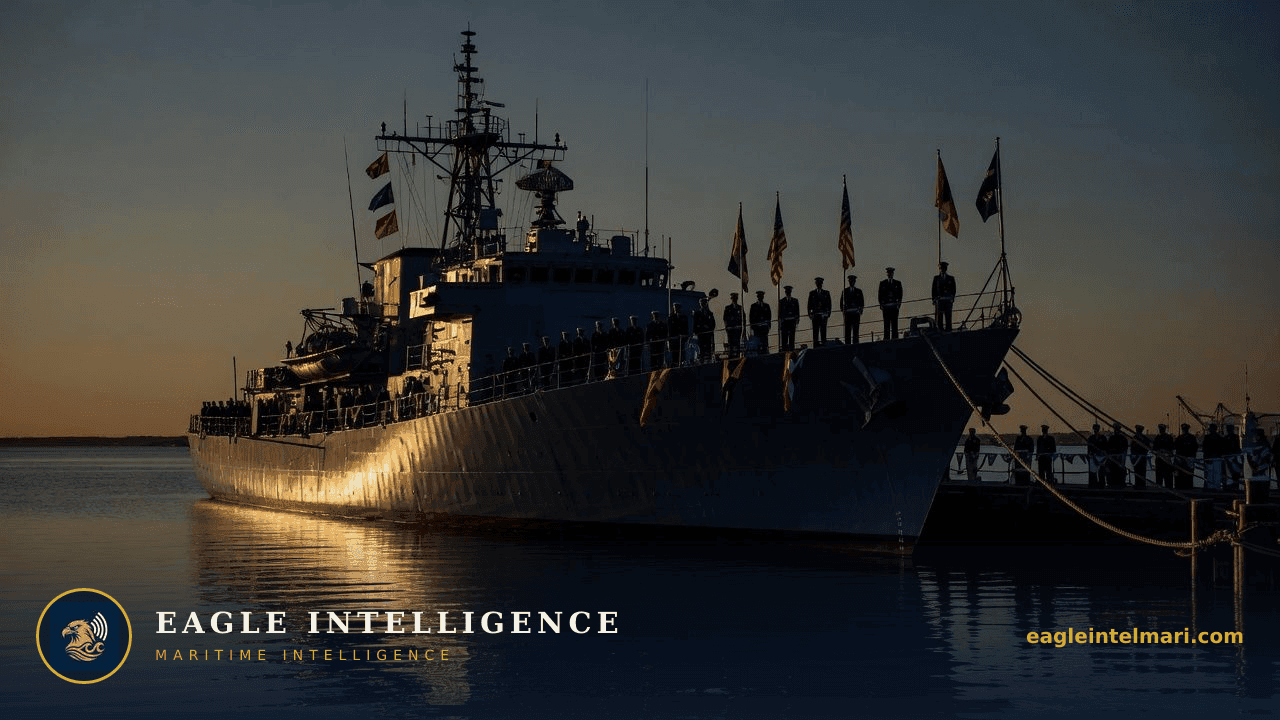
Naval planners and P&I underwriters focused on the Indian Ocean now have concrete evidence that India's domestic shipyards are delivering IRS-classed warships at scale, following the 21 June 2026 commissioning of INS Agray and INS Sanshodhak alongside a third platform in the presence of Prime Minister Narendra Modi.
The Indian Register of Shipping has moved beyond its traditional commercial focus by securing classification of two new naval hulls delivered simultaneously. This step strengthens IRS's technical credibility with the navy and positions it as a viable alternative to foreign class societies for sensitive defence work.
The simultaneous induction of three vessels on a single day highlights coordinated fleet renewal rather than piecemeal additions. With two of the three carrying IRS class, the navy demonstrates confidence in a national society for survey, stability and material standards on operational platforms.
Indian yards have long struggled to meet both commercial and naval demand on schedule. The fact that IRS-classed warships reached commissioning together suggests yard processes and supply chains are maturing, which could ease pressure on future naval programmes and free foreign yards for export orders.
More locally built and classed vessels entering service typically translate into higher Indian Navy presence along western and eastern sea lanes. Charterers routing tankers and bulkers past the Strait of Hormuz or through the Bay of Bengal may see incremental changes in boarding frequency and response times to distress calls.
P&I clubs and hull underwriters often reference class society performance when setting naval-adjacent war-risk premiums. IRS's visible naval role could support arguments for stable or slightly improved rating treatment for Indian-flagged or Indian-managed tonnage, provided the society maintains transparent survey records.
Track the next public commissioning date or any announcement naming additional IRS-classed naval hulls; that single disclosure will reveal whether the June 2026 event was a one-off milestone or the start of routine dual-use classification practice.
Advertisement
Advertisement
⚠️ Intelligence Disclaimer: This analysis is produced by Eagle Intelligence's AI-assisted automated analysis system and is provided for informational purposes only. See our editorial standards. It is not a substitute for official maritime safety advisories from UKMTO, MSCHOA, IMO, or flag state authorities. Operational decisions should always be based on official guidance and professional judgment. Eagle Intelligence accepts no liability for any loss arising from reliance on this content.
Live chokepoint status, war-risk shifts, and the daily maritime wire, straight to your inbox. Free.
Leave a comment
All comments moderated for quality
