Iran struck a third ADNOC tanker in the Strait of Hormuz within a week, according to UAE statements and multiple wire reports. The incidents follow earlier attacks on two other vessels and coincide with US statements asserting future territorial control over the waterway. Operators are already weighing rerouting options that add days and cost to energy and container voyages. Oman and Iran are reported to be discussing a potential transit arrangement while oil slicks have appeared in the Gulf. The pattern raises immediate exposure for any vessel still transiting the strait under current conditions.
Advertisement
Advertisement
Iran struck a third ADNOC tanker in the Strait of Hormuz within a week, according to UAE statements and multiple wire reports. The incidents follow earlier attacks on two other vessels and coincide with US statements asserting future territorial control over the waterway. Operators are already weighing rerouting options that add days and cost to energy and container voyages. Oman and Iran are reported to be discussing a potential transit arrangement while oil slicks have appeared in the Gulf. The pattern raises immediate exposure for any vessel still transiting the strait under current conditions.
UAE confirmed a second-day attack on an ADNOC vessel, bringing the weekly total to three.
Why it matters: Direct hits on state-linked tankers raise war-risk premiums and force charterers to decide between continued Hormuz transits or longer Cape or alternative routes.
Who is exposed: Energy owners and operators with UAE or Gulf loadings, hull insurers, and charterers locked into fixed schedules.
Trump stated the strait would soon be declared US territory while Iran rejected any seizure by tweet.
Why it matters: The rhetoric increases the chance of further kinetic responses and complicates neutral-flag navigation planning.
Who is exposed: All commercial traffic, flag states, and insurers assessing whether Hormuz remains a viable commercial corridor.
Two slicks appeared in the Gulf following the latest tanker strikes.
Why it matters: Environmental and salvage liabilities are now added to the operational risk matrix for any vessel in the area.
Who is exposed: Owners of vessels still in the region, P&I clubs, and coastal states facing potential shoreline impact.
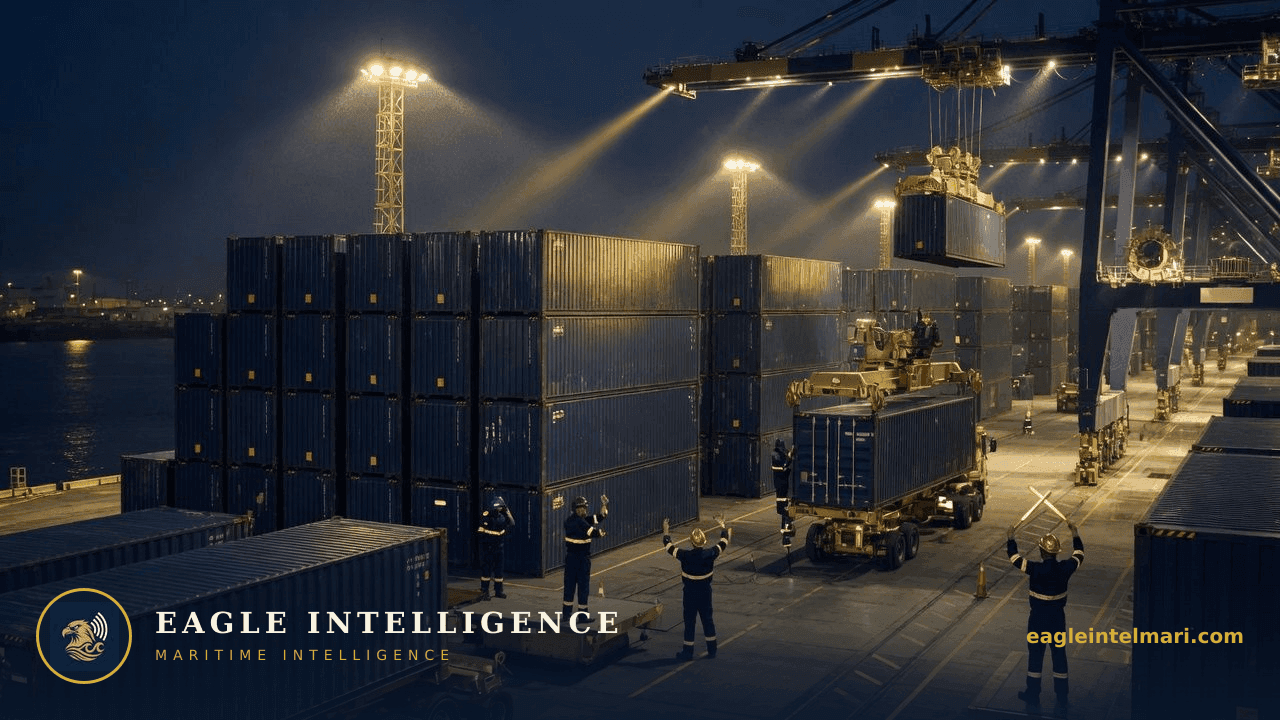
Continued Hormuz disruption will accelerate long-haul tanker and container operators toward Arctic routing tests already signaled by China, shifting seasonal utilization patterns away from traditional Indian Ocean lanes.
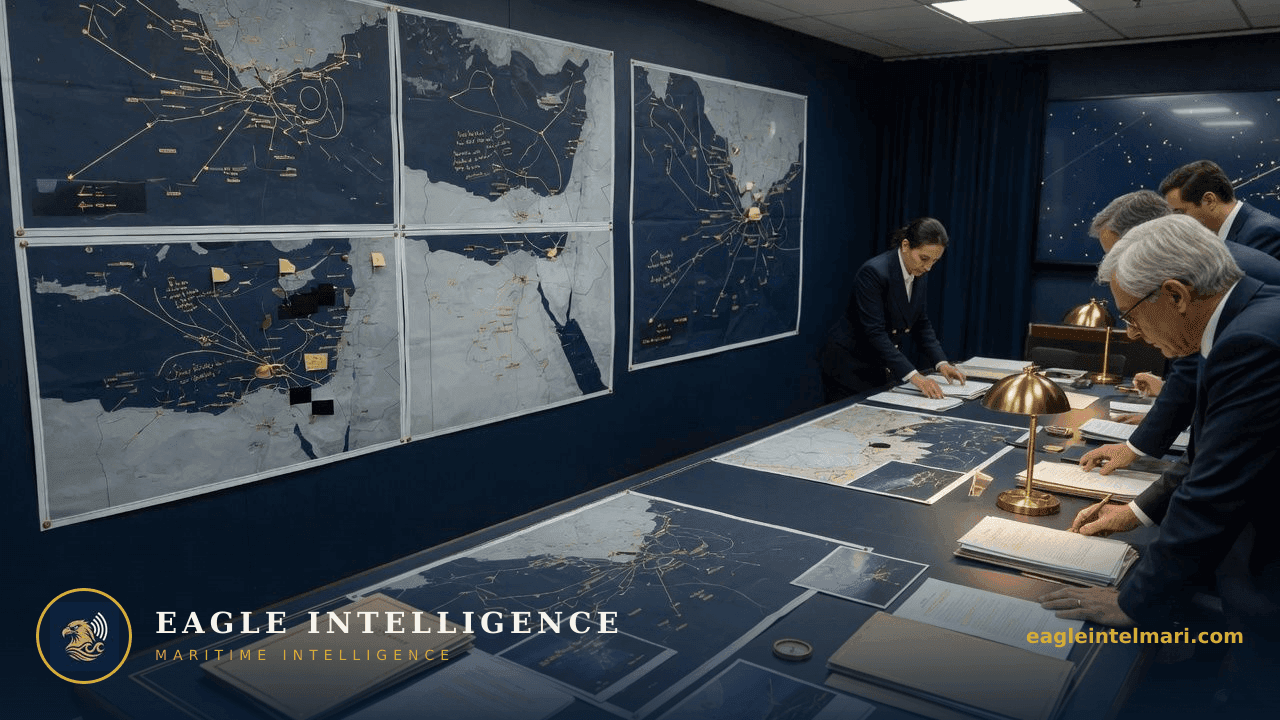
Strait of Hormuz will be declared US territory by tweet Verdict: unconfirmed Statement attributed to Trump lacks formal legal or operational follow-through in the supplied reporting.
Next 24-hour confirmation or denial of any additional Hormuz attack or Oman-Iran transit agreement statement before 16:00 UTC 17 August.
How many consecutive days of Hormuz attacks will it take for major energy charterers to shift the majority of their August loadings to non-Gulf ports?
The Daily Eagle Brief separates reported fact from Eagle assessment. Confidence percentages express editorial confidence based on the available sourcing, not mathematical certainty.
Advertisement
Advertisement
Live Hormuz transit status and war-risk band.
⚠️ Intelligence Disclaimer: This analysis is produced by Eagle Intelligence's AI-assisted automated analysis system and is provided for informational purposes only. See our editorial standards. It is not a substitute for official maritime safety advisories from UKMTO, MSCHOA, IMO, or flag state authorities. Operational decisions should always be based on official guidance and professional judgment. Eagle Intelligence accepts no liability for any loss arising from reliance on this content.
Live chokepoint status, war-risk shifts, and the daily maritime wire, straight to your inbox. Free.
Leave a comment
All comments moderated for quality
