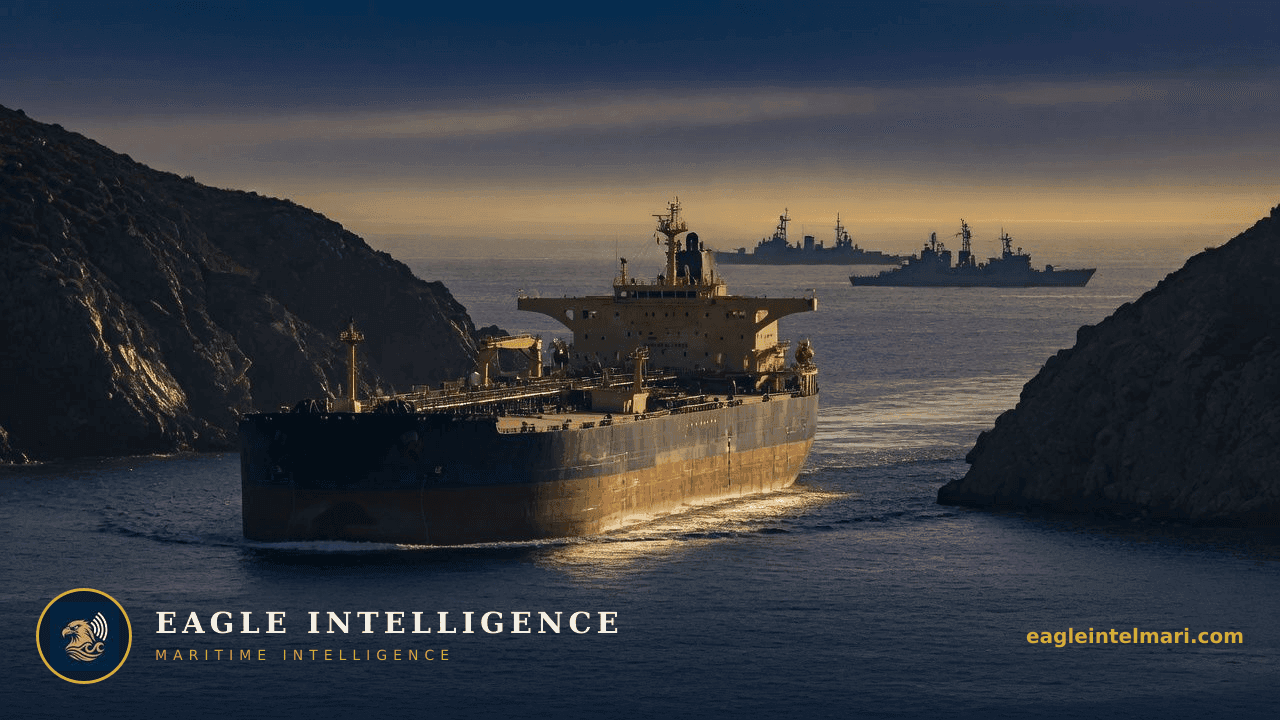
London marine insurers have widened the Red Sea high-risk area after Houthi strikes on Saudi-linked vessels, lifting war-risk premiums and compelling owners to revisit routing, crewing and cover. Hormuz transits continue to decline following reported Iranian strikes on two tankers under US escort and fresh threats to Saudi tonnage. Saudi Arabia has announced a 14-nation maritime defence coalition to counter Houthi activity. These moves concentrate exposure on owners still using the chokepoints, charterers facing schedule slippage and insurers managing rising claims. The immediate decision at stake is whether to accept higher premiums, divert tonnage or pause cargoes until the coalition’s operational posture clarifies.
Advertisement
Advertisement
London marine insurers have widened the Red Sea high-risk area after Houthi strikes on Saudi-linked vessels, lifting war-risk premiums and compelling owners to revisit routing, crewing and cover. Hormuz transits continue to decline following reported Iranian strikes on two tankers under US escort and fresh threats to Saudi tonnage. Saudi Arabia has announced a 14-nation maritime defence coalition to counter Houthi activity. These moves concentrate exposure on owners still using the chokepoints, charterers facing schedule slippage and insurers managing rising claims. The immediate decision at stake is whether to accept higher premiums, divert tonnage or pause cargoes until the coalition’s operational posture clarifies.
London insurers widened the designated high-risk area after Houthi attacks on Saudi-linked ships, directly raising war-risk premiums.
Why it matters: Higher premiums and reassessed cover force owners to decide on continued transits or costly rerouting while Hormuz options have already narrowed.
Who is exposed: Owners and operators of Saudi-linked and general Red Sea tonnage; charterers with time-sensitive cargoes.
IRGC claimed strikes on two tankers attempting Hormuz transit under US escort; traffic levels have continued decreasing.
Why it matters: Reduced Hormuz volumes tighten global crude and product supply routes and increase reliance on longer Cape or alternative paths.
Who is exposed: Crude and product tanker owners, traders routing through the Strait, and downstream buyers in Asia.
Saudi Arabia announced a maritime defence alliance with 13 other nations to counter Houthi Red Sea attacks.
Why it matters: The coalition signals potential future escorted transits or rules of engagement that could alter risk calculations for commercial traffic.
Who is exposed: Red Sea operators weighing coalition protection versus continued independent routing decisions.
Crude oil is spreading from a shadow fleet tanker disabled in the region, confirmed by satellite imagery.
Why it matters: Spill response and liability exposure add operational friction to already stressed Hormuz approaches and raise insurance scrutiny on dark-fleet vessels.
Who is exposed: Shadow fleet operators, coastal states and P&I clubs covering older tonnage.

The spill from the shadow fleet tanker off Oman will likely trigger additional port-state inspections and insurance queries on all dark-fleet vessels calling nearby terminals, extending delays beyond the immediate spill zone.

Oil prices set to spike again after more Strait of Hormuz disruptions Verdict: unconfirmed No actual price movement or futures data appears in the supplied material; the claim rests on narrative rather than observed market reaction.
Saudi Arabia or coalition partners issue first operational directive or escort schedule for Red Sea transits by 2 August.
Will the new Saudi-led coalition publish clear rules of engagement that allow commercial vessels to reduce war-risk premiums, or will owners still face unilateral routing decisions?
The Daily Eagle Brief separates reported fact from Eagle assessment. Confidence percentages express editorial confidence based on the available sourcing, not mathematical certainty.
Advertisement
Advertisement
Current IBF designated risk areas, Warlike Operations Area terms, and applicable benefits.
Indicative Additional War Risk Premium (AWRP) ranges — not a binding insurance quote.
Live Hormuz transit status and war-risk band.
⚠️ Intelligence Disclaimer: This analysis is produced by Eagle Intelligence's AI-assisted automated analysis system and is provided for informational purposes only. See our editorial standards. It is not a substitute for official maritime safety advisories from UKMTO, MSCHOA, IMO, or flag state authorities. Operational decisions should always be based on official guidance and professional judgment. Eagle Intelligence accepts no liability for any loss arising from reliance on this content.
Live chokepoint status, war-risk shifts, and the daily maritime wire, straight to your inbox. Free.
Leave a comment
All comments moderated for quality
